Top Landscaping Services in Cathcart, WA, 98296 | Compare & Call
There are 183 landscaping companies server in Cathcart WA
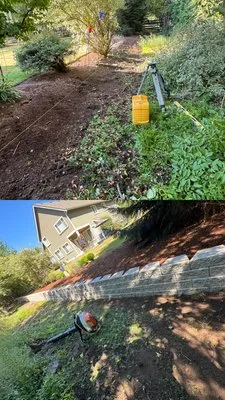
Figueroa Landscaping is a family-owned business serving Everett, WA, with comprehensive landscaping solutions. We specialize in both softscaping and hardscaping, offering services from artificial turf...
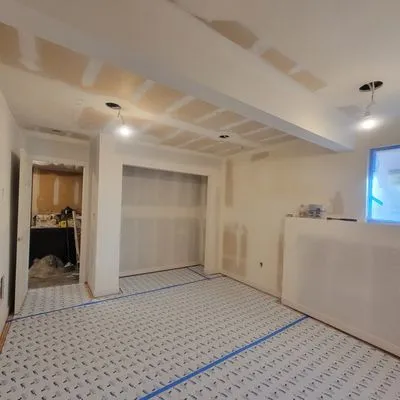
Hearth & Home Remodeling
Hearth & Home Remodeling is a family-owned contractor serving Seattle with comprehensive home construction, design, and remodeling services. As a unified team of general contractors, landscapers, and ...
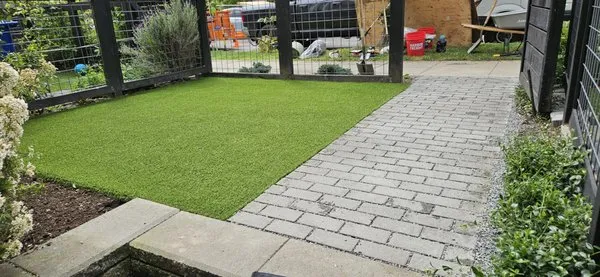
PNW Turf N More is your trusted Lake Stevens landscaping partner specializing in artificial turf, comprehensive landscaping, and masonry/concrete services. We help homeowners tackle common local chall...
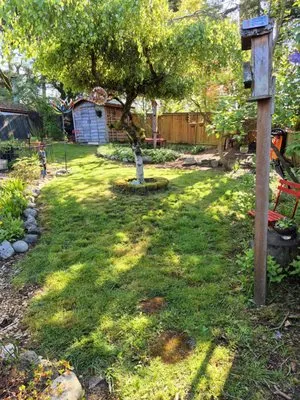
Seatown Landscaping was founded over a year ago by a Seattle local who transformed a long-held dream of business ownership into a reality, building the company from the ground up. We specialize in cre...
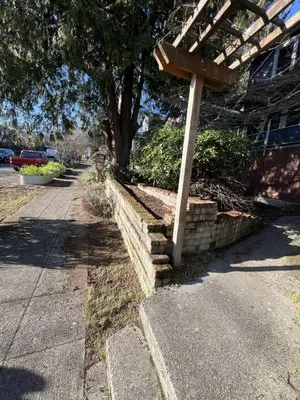
Ausencio Landscaping serves Everett, WA, with a full suite of outdoor services to enhance and maintain your property. With three years of experience, we help homeowners build beautiful, functional yar...
Makeover Landscape and Construction
Edgar Lara, owner of Makeover Landscape and Construction in Lynnwood, WA, brings over a decade of hands-on experience to every project. His comprehensive approach combines landscape design, constructi...
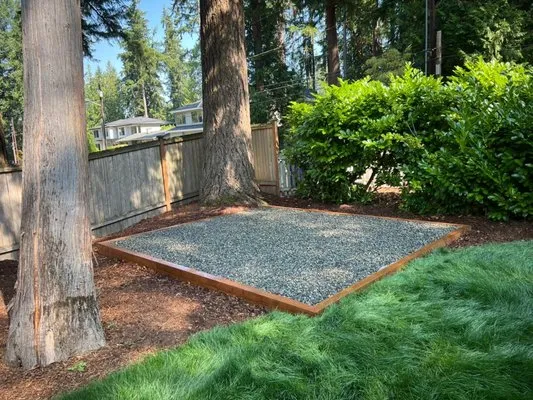
Rial Landscaping is a full-service landscaping, masonry, and fencing contractor serving Snohomish, WA. We understand the common local challenges homeowners face, such as persistent weeds in mulch beds...
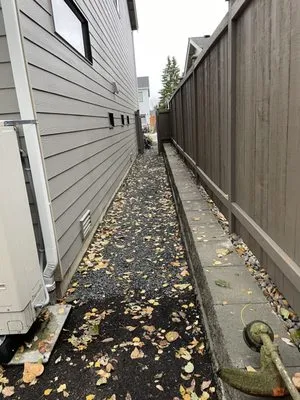
Mendoza Landscaping was founded on a passion for gardening and a drive for independence. Based in Monroe, WA, owner Juan Mendoza started the business to build a reliable service focused on client sati...
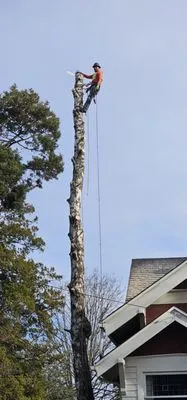
Green Ranch Landscaping Service is a Marysville-based company with over a decade of experience transforming outdoor spaces. We specialize in comprehensive landscaping, hardscaping, and construction se...
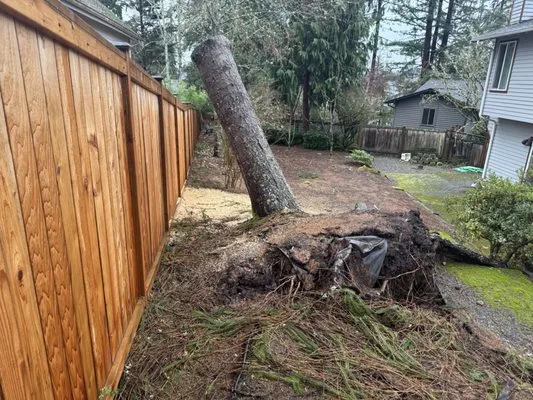
Pacific Northwest Rockeries brings over 35 years of construction expertise to Lynnwood and the surrounding Snohomish County. Founded by a Washington resident with deep roots in Hawaiian craftsmanship,...
Estimated Landscaping Service Costs in Cathcart, WA
Question Answers
Our lawn looks thin and struggles even with fertilizer. Is it just the age of the neighborhood?
Properties in Cathcart Residential, built around 1984, have soils with approximately 42 years of development. The prevalent acidic silt loam (pH 5.5-6.2) has likely become compacted from decades of standard maintenance, reducing oxygen and water permeability. This compaction hinders root growth for your perennial ryegrass and fine fescue. Core aeration followed by a top-dressing of compost is critical to rebuild soil structure and moderate pH, moving beyond mere surface fertilization to address foundational soil health.
With Stage 1 water restrictions, how do we keep the lawn green without overwatering?
Smart Wi-Fi soil moisture sensor controllers are essential for voluntary conservation. These systems use real-time evapotranspiration (ET) data and direct soil readings to irrigate only when needed, preventing the overwatering that exacerbates our high water table. This technology maintains perennial ryegrass and fine fescue health within municipal limits by applying water precisely at root depth, often reducing usage by 20-30% compared to traditional timer-based systems.
We want to reduce mowing and gas equipment use. What are the best native alternatives to grass?
Transitioning to a native plant palette of Salal, Red Flowering Currant, Western Sword Fern, Vine Maple, and Douglas Spirea significantly reduces maintenance. These species are adapted to Zone 8b and acidic soils, requiring no fertilization, minimal summer water once established, and no weekly mowing. This shift pre-empts potential gas equipment limitations under the noise ordinance and supports 2026 biodiversity goals by providing habitat and requiring only electric trimmers for upkeep.
We want to regrade part of our yard. What permits and contractor credentials are needed?
Regrading a 0.35-acre lot in Snohomish County typically requires a permit from Planning and Development Services for significant earth movement. You must hire a contractor licensed by the Washington State Department of Labor & Industries, specifically for landscaping or excavation. This ensures they carry the required bond and insurance, as improper grading can divert water to neighboring properties, creating legal liability. Always verify their license is current and in good standing before work begins.
A storm brought down a large branch. How quickly can a crew arrive for emergency cleanup?
For an urgent HOA compliance or safety issue, our dispatch from the Cathcart Park area via US-2 allows for a 25-35 minute peak response time. We prioritize such calls with dedicated crews and electric-powered chippers to comply with the 7:00 AM - 9:00 PM noise ordinance. The route is optimized to bypass typical congestion points, ensuring timely arrival to secure the site and begin debris processing.
Our yard stays soggy long after rain. What's the best long-term fix for drainage?
Seasonal saturation is common in Cathcart's silt loam, which has slow percolation. Installing a French drain system tied to a dry well is often required. Complement this with permeable concrete pavers or basalt flagstone for patios and walkways; these materials meet Snohomish County runoff standards by allowing water infiltration. This approach addresses the symptom (ponding) and the cause (impermeable surfaces) by managing water at the source.
Is a wooden deck or a stone patio better for longevity and fire safety here?
Permeable concrete pavers and basalt flagstone offer superior longevity and lower maintenance than wood in our damp climate. For fire safety in this Moderate (WUI Zone 2) rating area, non-combustible hardscape creates critical defensible space. Stone and concrete materials do not require chemical treatments, resist rot, and their permeability aids in managing the site's seasonal saturation, making them a multifunctional investment.
We've spotted what looks like English Ivy spreading. How should we handle it safely?
English Ivy is a high-priority invasive species alert for this region. Manual removal is most effective, ensuring all roots are extracted. For larger infestations, a targeted glyphosate application in late fall when natives are dormant is permissible. Crucially, any follow-up soil amendments must comply with the statewide phosphorus ban; use a mycorrhizae-inoculated compost to rebuild soil biology without violating fertilizer ordinances.
