Top Landscaping Services in Cashmere, WA, 98815 | Compare & Call


Clearwater Irrigation & Landscape is a trusted Cashmere contractor specializing in resilient and beautiful outdoor living solutions. We understand the local challenges homeowners face, from shifting r...
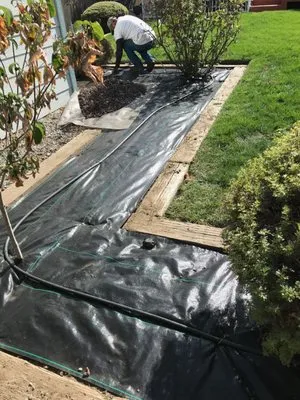
Cashmere Landscaping and Solutions
Cashmere Landscaping and Solutions is a trusted, locally owned and operated service dedicated to enhancing the outdoor spaces of homes and businesses throughout Chelan and Douglas Counties. We provide...
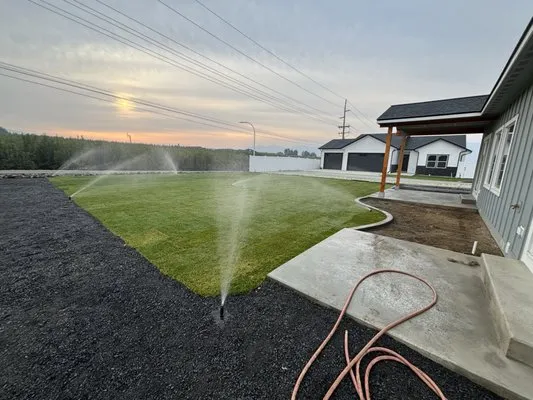
DGS Landscaping & Irrigation Systems is a trusted, full-service landscape company serving Cashmere and the surrounding Wenatchee Valley. Founded on a commitment to quality and local expertise, we hand...

Julian Hernandez Lawn Care provides professional lawn care services to homeowners in Cashmere, WA, and the surrounding Wenatchee Valley. We specialize in addressing the common local issues of patchy, ...
Rosales Landscaping is a trusted, local landscaping service based in Cashmere, WA, dedicated to maintaining the beauty and health of your outdoor spaces. We specialize in addressing the most common an...
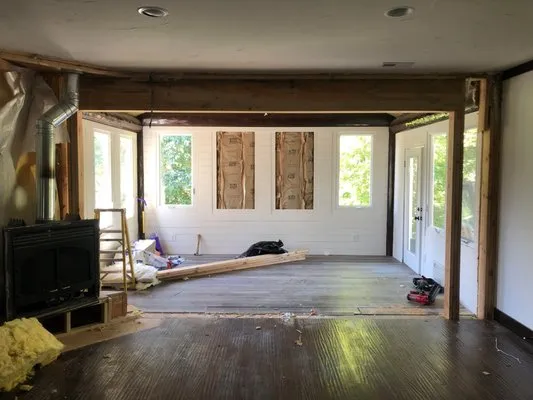
Square G Construction and Landscaping
Square G Construction and Landscaping is a trusted, family-owned business serving the Cashmere community with comprehensive site development and property enhancement services. We combine skilled const...
Daniels Lawnmower is a trusted lawn care provider serving Cashmere, WA, specializing in comprehensive lawn maintenance and landscaping solutions. With deep local expertise, we understand the unique ch...

Three Sons Lawn Care is a trusted, family-owned service provider in Cashmere, WA, dedicated to keeping your outdoor spaces healthy and functional. We specialize in comprehensive lawn care, expert irri...
Frequently Asked Questions
Can I maintain healthy turf under Stage 1 water restrictions?
Smart Wi-Fi ET-based irrigation systems preserve Kentucky Bluegrass and Fine Fescue blends while reducing consumption 30-40% below conventional schedules. These controllers adjust watering based on real-time evapotranspiration data, skipping cycles during rainfall and reducing runtime during cooler periods. This technology maintains turf health at 0.75 inches of water weekly while staying within voluntary conservation guidelines, particularly important during July-August when reference ET exceeds 0.25 inches daily in USDA Zone 7a.
Why does my Downtown Cashmere lawn struggle with compaction and poor drainage?
Properties in Downtown Cashmere built around 1959 have 67-year-old soil profiles. Silty loam soils in this neighborhood naturally compact over decades, reducing permeability to 0.5-1.5 inches per hour. Core aeration every 2-3 years introduces oxygen channels while incorporating 0.5 inches of composted organic matter improves water retention during summer drought periods. This addresses the pH 6.8-7.5 soil's tendency to form surface crusts that inhibit root penetration for Kentucky Bluegrass.
Are basalt pavers better than wood for durable landscaping?
Basalt pavers offer 50+ year lifespans versus wood's 10-15 year replacement cycle, with zero combustible material contributing to fire risk. Their thermal mass moderates temperature extremes while providing non-flammable defensible space required for Moderate Fire Wise ratings. River rock complements this system with natural drainage properties, unlike wood mulches that decompose and require annual replenishment. This mineral-based approach meets WUI Zone 2 compliance through ignition-resistant materials that maintain structural integrity during seasonal freeze-thaw cycles.
How quickly can you respond to storm damage for HOA compliance?
Emergency cleanup dispatch originates from Riverside Park with routing via US-2 to Downtown Cashmere properties. Our electric maintenance fleet operates within the 7:00 AM to 9:00 PM noise ordinance window, achieving 20-30 minute response times during peak storm events. This schedule accommodates same-day debris removal while maintaining decibel compliance with battery-powered equipment that meets WUI Zone 2 fire safety standards during dry conditions.
How can I reduce maintenance while supporting local ecology?
Replacing 30-50% of traditional turf with Mock Orange, Blue Elderberry, and Serviceberry plantings reduces mowing frequency from weekly to monthly. These Washington natives require 70% less water than Kentucky Bluegrass while providing year-round habitat for pollinators and birds. Transitioning to electric equipment ahead of 2027 noise ordinance revisions eliminates gas-blower restrictions, with Antelope Bitterbrush offering additional fire-resistant landscaping that meets WUI Zone 2 compliance standards through its low-fuel characteristics.
What permits and licenses are needed for grading my 0.22-acre lot?
The City of Cashmere Planning Department requires grading permits for soil movement exceeding 50 cubic yards on 0.22-acre parcels. Washington State Department of Labor & Industries mandates contractor licensing for excavation work involving slopes over 10% or depths beyond 4 feet. Professional licensing ensures proper erosion control during snowmelt periods and adherence to setback requirements from property lines. Unlicensed grading risks fines up to $5,000 plus restoration costs, particularly important in Downtown Cashmere where historical soil compaction requires specialized equipment operation.
What invasive species threaten Cashmere landscapes and how are they managed?
Himalayan blackberry and cheatgrass present primary invasive risks in this region, competing with natives for moisture and nutrients. Manual removal during early growth stages prevents seed bank establishment, while targeted glyphosate applications follow Washington's Phosphorus-Free Fertilizer Law timing restrictions. Treatment windows avoid April-October blackout periods for synthetic herbicides, with mycorrhizae inoculants applied afterward to restore soil biology. Regular monitoring prevents re-establishment along US-2 corridors where invasive species often enter the ecosystem.
What solutions prevent snowmelt runoff from damaging my property?
Moderate seasonal snowmelt runoff in silty loam soils requires permeability enhancements. Installing French drains with 3/4-inch washed drain rock behind basalt paver retaining walls creates subsurface drainage channels. The City of Cashmere Planning Department requires 85% permeable surfaces for new hardscapes, making river rock dry creek beds effective for directing water away from foundations. These systems handle the 2-4 inch per hour infiltration rates needed during March-April snowpack melt events common in this valley location.
