Top Landscaping Services in Camano, WA, 98282 | Compare & Call

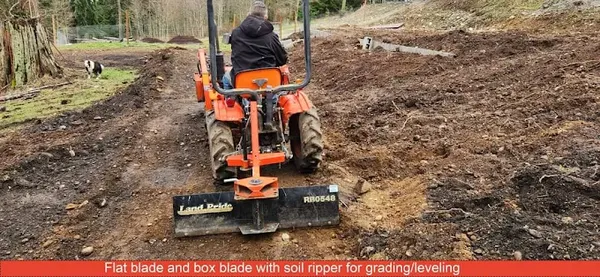
Graystone Tractor Services is a licensed, bonded, and insured residential land maintenance company serving Camano Island and the surrounding Western Washington counties. We specialize in providing cos...
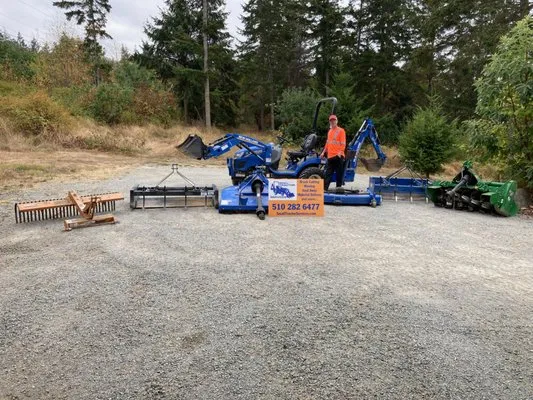
Small Tractor Services LLC is your local, licensed, bonded, and insured partner for landscaping and excavation projects in Camano, WA. We specialize in tackling the smaller, more precise jobs that big...
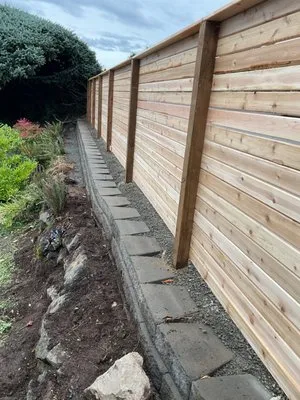
C.A. Landscape & Services is a trusted, family-operated landscaping and construction contractor serving Camano Island and the surrounding Stanwood area. With over two decades of combined experience, t...
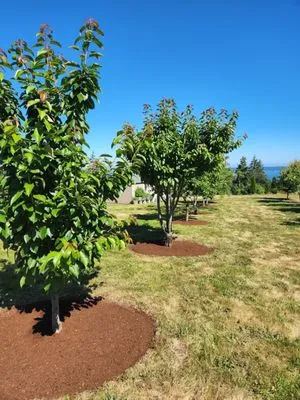
Gaonas Lawn Care is a dedicated lawn service provider serving homeowners across Camano, WA. We specialize in comprehensive lawn care, focusing on the common local challenges of weed infestation in gra...

S&W Lawn Care is a local Camano, WA business founded by two friends who wanted to earn extra income during the summer months. As athletes with busy sports schedules during other seasons, they identifi...
Question Answers
How quickly can you respond to storm damage for HOA compliance on Camano Island?
Emergency cleanup crews dispatch from Camano Island State Park via SR 532, arriving at Camano Island North properties within 45-60 minutes during peak storm conditions. This response window accounts for debris clearance on access roads and prioritizes safety protocols for downed trees and power lines. Crews maintain specialized equipment for immediate hazard mitigation while coordinating with local utilities. The route optimization ensures compliance with HOA deadlines while addressing immediate safety concerns.
Why does my Camano Island North yard have such poor drainage and compacted soil?
Properties built around 1994 in this neighborhood have approximately 32 years of soil development on acidic gravelly sandy loam. Glacial till compaction from original construction combined with decades of foot traffic and equipment weight has reduced soil percolation rates significantly. The pH range of 5.5-6.2 indicates aluminum toxicity potential that restricts root development. Core aeration with organic amendments like composted bark or leaf mold improves soil structure and microbial activity while gradually adjusting pH toward optimal levels for most landscape plants.
What's the best solution for seasonal saturation problems in my yard?
High seasonal saturation in acidic gravelly sandy loam requires addressing both surface and subsurface drainage. Permeable crushed basalt or interlocking pavers create infiltration surfaces that meet Island County Planning & Community Development runoff standards. French drains with clean gravel and perforated pipe redirect subsurface water away from structures. Combining these approaches with strategic grading creates positive drainage while maintaining soil structure. The glacial till compaction layer often requires mechanical breaking to restore natural percolation rates.
Should I replace some lawn with native plants to reduce maintenance?
Transitioning high-maintenance turf areas to Salal, Red Flowering Currant, Western Sword Fern, and Pacific Rhododendron reduces water consumption by 70-80% while providing year-round habitat value. These natives require no chemical inputs and minimal pruning, aligning with evolving noise ordinance considerations around gas-powered equipment. The deep root systems of these plants improve soil structure and drought resilience. This approach supports WUI Zone compliance by creating defensible space with fire-adapted species while reducing long-term maintenance costs.
What permits and licenses are needed for grading my 0.45-acre property?
Grading work on 0.45 acres requires Island County Planning & Community Development permits for any cut/fill exceeding 50 cubic yards or affecting critical areas. Contractors must hold Washington State Department of Labor & Industries registration with specific endorsements for excavation and earth moving. The licensing ensures proper erosion control implementation and compliance with stormwater management regulations. Professional grading on slopes exceeding 15% or within 200 feet of marine shorelines triggers additional review processes for environmental protection.
How do I maintain my perennial ryegrass/fine fescue blend during Stage 1 water restrictions?
Wi-Fi ET-based weather sensing irrigation systems from Rain Bird or Hunter controllers automatically adjust watering schedules based on evapotranspiration data and soil moisture sensors. These systems reduce water usage by 20-40% compared to traditional timers while preserving turf health. Programming follows municipal water limits by prioritizing deep, infrequent watering during cooler morning hours. The technology accounts for Camano's microclimate variations, automatically skipping cycles during rainfall events and adjusting for seasonal temperature fluctuations.
What invasive species should I watch for and how do I control them safely?
Camano Island faces Scotch broom, Himalayan blackberry, and English ivy invasions that outcompete native vegetation. Manual removal during dormancy followed by cardboard and mulch smothering provides effective control without chemicals. The statewide phosphorus fertilizer ban requires using balanced organic amendments that won't leach into marine environments. Treatment timing avoids blackout dates by focusing on dry periods when plants are actively growing but not stressed. Regular monitoring prevents re-establishment while supporting native plant recovery.
Is permeable crushed basalt better than wood for patio materials here?
Permeable crushed basalt outperforms wood in longevity, requiring no chemical treatments and lasting decades without replacement. The material's natural drainage properties reduce runoff by 95% compared to solid surfaces while meeting moderate Fire Wise rating requirements for defensible space. Unlike wood, basalt doesn't decompose or require regular sealing, maintaining stability through freeze-thaw cycles. Its dark color absorbs solar heat efficiently while the angular interlock provides excellent stability without the fire risk associated with wooden structures in WUI zones.
