Top Landscaping Services in Bryant, WA, 98223 | Compare & Call
There are 194 landscaping companies server in Bryant WA
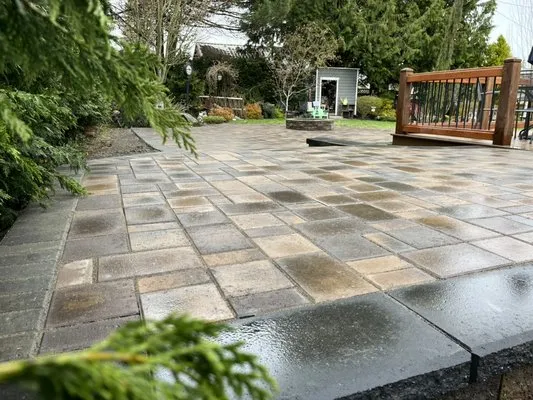
JC Landscape Solutions is a Marysville-based landscaping company specializing in comprehensive outdoor solutions for local homeowners. We address common local issues like patchy lawn grass and tree ro...
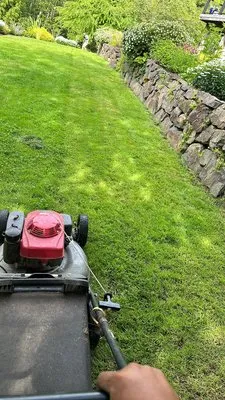
Carlos Landscaping is a trusted local landscaping company serving Marysville, WA homeowners with comprehensive care for their outdoor spaces. We specialize in landscape maintenance, lawn care, and exp...
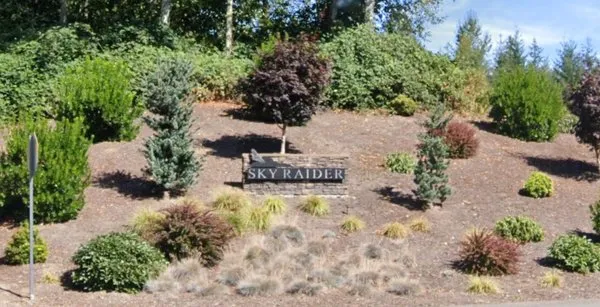
Sky Raider Landscaping is a trusted local landscaping company serving Marysville, WA, and the surrounding areas. We specialize in comprehensive landscaping solutions designed to address common local c...
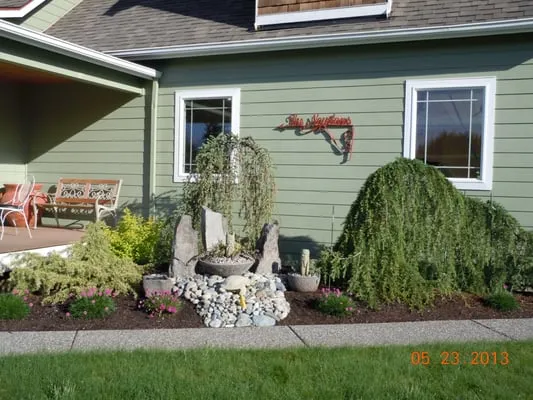
Newton Landscaping is a trusted Arlington, WA-based landscaping company dedicated to solving common local yard problems. Many Arlington homes struggle with poor lawn grading that leads to water poolin...
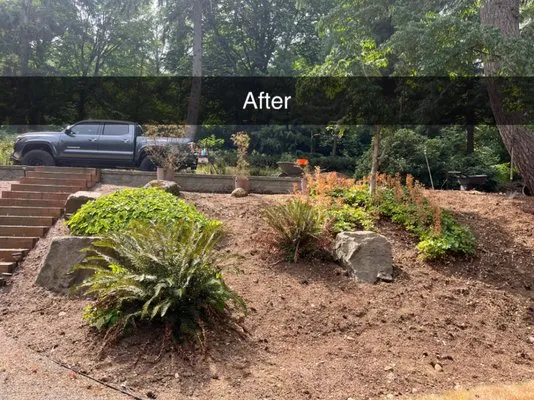
JC Yard Care is a locally-owned Arlington lawn service, operated by a dedicated 16-year-old who has been providing yard work and landscaping for community members since the age of 11. With five years ...
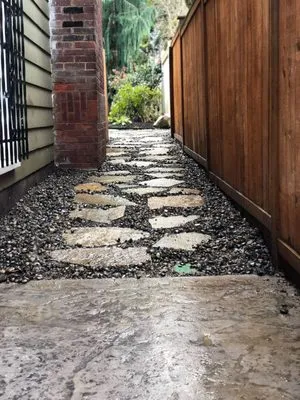
Ballpark Landscapes is a Lake Stevens-based landscaping company serving residential clients throughout Snohomish County. With expertise ranging from earthmoving and regrading to comprehensive landscap...

Emerald City Lawn Services is a full-service landscaping company serving homeowners throughout Marysville, WA. We specialize in creating and maintaining healthy, beautiful outdoor spaces that thrive i...
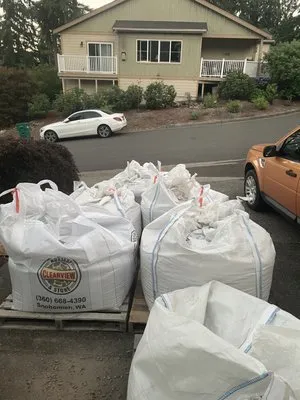
Clearview Nursery & Stone is a trusted, locally-owned supplier serving Snohomish County since 2004. We specialize in providing high-quality, unique natural stone products—from flagstone and boulders t...
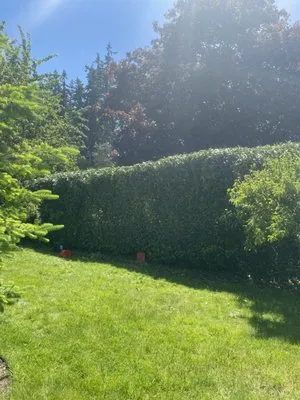
Thomas Poe, owner of Poe's PNW Landscaping in Marysville, WA, brings a practical, hands-on approach to local yard care. His business focuses on providing reliable and affordable landscape maintenance,...
Family Landscaping and Design is a licensed and bonded Arlington, WA contractor, founded in 2014 and dedicated to transforming outdoor spaces for local homeowners and businesses. We combine landscape ...
Estimated Landscaping Service Costs in Bryant, WA
FAQs
If a storm downs a tree and my HOA issues a compliance notice, how fast can a crew arrive?
For emergency cleanup to meet HOA compliance, our standard dispatch routes from the Bryant Community Park maintenance hub via SR-9. This allows for a peak storm response window of 25 to 35 minutes to most Bryant Heights properties. All work would be scheduled within the local noise ordinance hours of 7am to 8pm on weekdays. The crew would arrive with electric chippers and hand tools to mitigate noise while performing the necessary removal and debris management.
What permits and credentials should I verify before hiring someone to regrade my backyard?
Any significant grading or earthwork on a 0.25-acre lot typically requires a permit from Snohomish County Planning & Development Services to ensure proper drainage and erosion control. You must verify the contractor holds a current, registered contractor license with the Washington State Department of Labor & Industries. This licensing is mandatory for projects exceeding a certain cost threshold and provides you with essential recourse and bond protection. Never hire an unlicensed individual for this work, as improper grading can create severe drainage and liability issues.
Why does my lawn in Bryant Heights have such poor drainage and thin grass compared to older neighborhoods?
Homes in Bryant Heights, built around 1994, sit on soil approximately 32 years old from initial construction grading. This acidic, gravelly sandy loam (pH 5.5-6.2) is typical of the area and has had limited time to develop a mature soil structure and robust organic layer. The lack of soil maturity leads to compaction and poor percolation, resulting in the seasonal high water table you observe. Correcting this requires core aeration and amendments like compost to build stable aggregates and improve root zone health for your perennial ryegrass blend.
How can I keep my lawn green during our voluntary water conservation stage without wasting water?
Maintaining a perennial ryegrass and fine fescue blend under Stage 1 voluntary conservation is achievable with precise irrigation management. Wi-Fi ET-based smart controllers are critical; they automatically adjust watering schedules by using local evapotranspiration data from weather stations. This technology applies water only when the turf actually needs it, preventing overwatering during cooler or rainy periods common in Zone 8b. This method keeps the grass healthy while ensuring your system operates well within municipal water use expectations.
My yard turns into a swamp every spring. What's a long-term solution for this wet area?
Spring saturation is a direct result of our region's high seasonal water table interacting with the slow permeability of compacted, gravelly sandy loam. A functional solution involves regrading to create positive surface drainage away from foundations and installing subsurface solutions like dry wells or French drains. For any new patios or paths, using permeable crushed basalt or concrete pavers increases ground infiltration. These systems often require review by Snohomish County Planning & Development Services to ensure they meet current stormwater runoff standards.
What are the most aggressive weeds here, and how do I deal with them without using banned fertilizers?
In Bryant, invasive species like Himalayan Blackberry, English Ivy, and Scotch Broom pose significant threats. Effective control requires a multi-year strategy of manual removal or targeted, professional-grade herbicide applications during the plants' active growth phases. Crucially, Washington State's Phosphorus Ban (RCW 15.54.500) prohibits phosphorus in most turf fertilizers, but it does not apply to these weed control methods. Soil health should be bolstered with organic, phosphorus-free amendments to help desired plants outcompete invaders.
Is a wooden deck or a stone patio better for longevity and safety in our area?
For longevity and compliance with local fire safety standards, permeable crushed basalt or concrete paver patios are superior to wood. Wood requires constant sealing against our damp climate and is combustible, which is a consideration in Bryant's Moderate Fire Wise (WUI Zone 2) rating. Hardscape materials like basalt are non-combustible and contribute to defensible space. They also address drainage concerns by allowing water infiltration, unlike solid concrete slabs, and will not rot or splinter over decades of use.
I want to reduce mowing and gas equipment noise. What are my options for this lot?
Transitioning to a landscape dominated by native plants like Salal, Western Sword Fern, Red Flowering Currant, and Pacific Ninebark significantly reduces maintenance. These plants are adapted to our acidic soil and climate, requiring minimal watering once established and no regular mowing. This shift aligns with evolving noise ordinances that increasingly restrict gas-powered blowers and mowers. An electric maintenance fleet, used within allowable hours, can manage any required upkeep quietly, future-proofing your property against stricter regulations.
