Top Landscaping Services in Brush Prairie, WA, 98606 | Compare & Call
There are 140 landscaping companies server in Brush Prairie WA
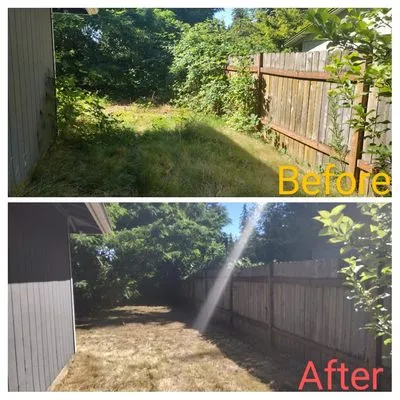
Demetrio Galindo brings years of hands-on experience to every project at Galindo Landscaping in Vancouver, WA. After working extensively in the landscaping industry, he founded his own business to pro...
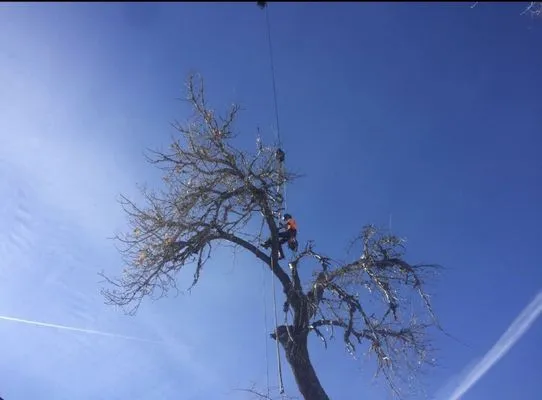
On Point Tree Service & Landscaping is a trusted, full-service provider for Vancouver, WA homeowners. We understand that local landscaping challenges like poor lawn grading and lawn fungus disease can...
Yardpro NW is a Vancouver, WA-based landscaping company serving Clark County with comprehensive outdoor solutions. We specialize in lawn care, irrigation systems, and hardscaping features like patios,...
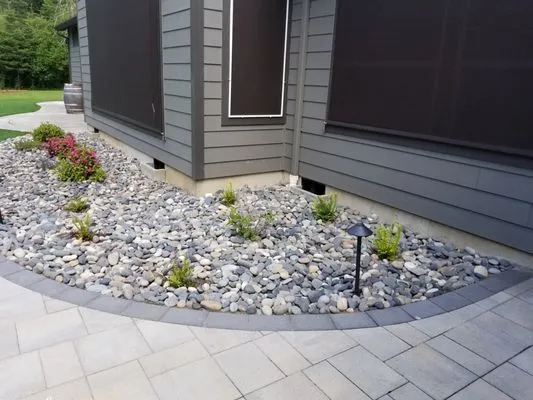
Woody's Custom Landscaping is a Battle Ground, WA-based landscaping company with over 22 years of experience serving Southwest Washington. Specializing in custom residential projects, they offer compr...
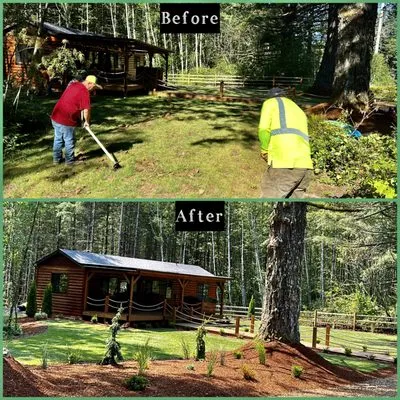
R&A Landscape & Tree Service is a licensed, bonded, and insured provider serving Vancouver, WA, with comprehensive commercial and residential landscape and tree services. They specialize in gardening,...
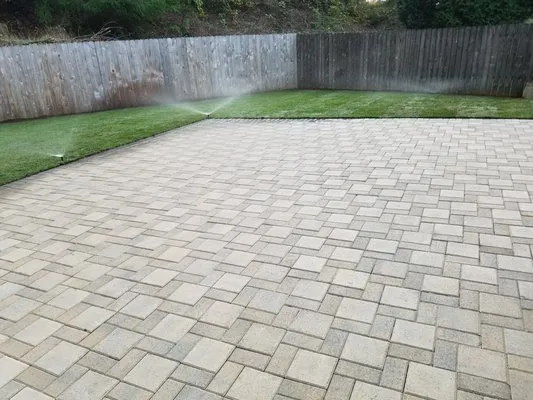
4 Seasons Landscaping is Vancouver, WA's trusted partner for creating and maintaining beautiful, resilient outdoor spaces. We understand the unique challenges local homeowners face, such as dying shru...
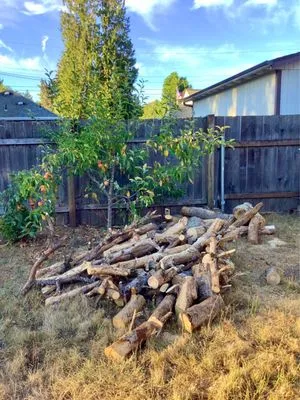
SR Lawn & Tree Care is a trusted, local provider of comprehensive lawn and tree services for homeowners across Vancouver, WA, and the surrounding Clark County area. We understand the common local chal...
Distinctive Landscape has been a trusted Vancouver, WA landscaping partner since 1991, founded by Matt Dearing. Starting as a teenager mowing lawns for neighbors, Matt built the business on principles...
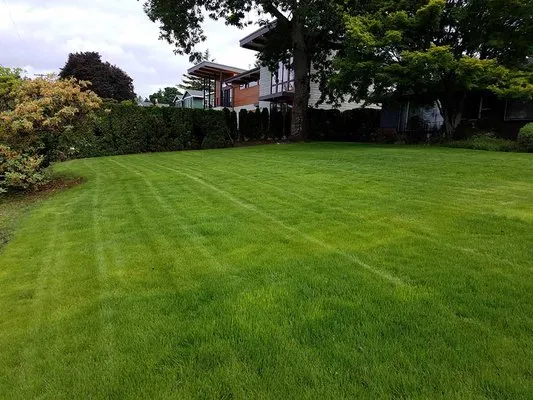
Juniors Landscaping
Juniors Landscaping is a Vancouver, WA-based company specializing in comprehensive landscape solutions for local homeowners. As landscape architects and designers, they provide expert irrigation const...
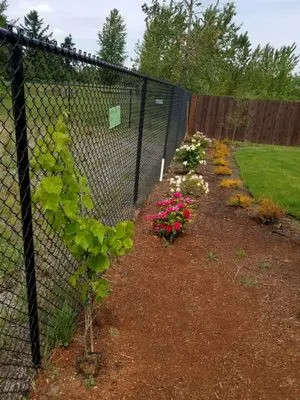
Nature By Design Landscaping, Inc. is a Battle Ground, WA-based landscaping company dedicated to enhancing local outdoor spaces with professional care. Serving homeowners throughout Clark County, the ...
Estimated Landscaping Service Costs in Brush Prairie, WA
Q&A
What invasive species should I watch for in Brush Prairie, and how do I treat them safely?
Himalayan blackberry and English ivy pose significant threats to native plant communities in Clark County. Manual removal during dry periods prevents soil disturbance while targeted spot treatments with phosphorus-free herbicides address regrowth. Always check local fertilizer ordinance blackout dates near water bodies before application, and consider soil solarization for persistent infestations without chemical intervention.
What permits and licenses are required for grading work on my half-acre Brush Prairie property?
Grading projects on 0.50-acre lots typically require Clark County Community Development permits for soil disturbance exceeding specified thresholds. Washington State Department of Labor & Industries licensing ensures contractors carry proper bonding and insurance for excavation work. These requirements protect against improper drainage modifications that could affect neighboring properties or violate county stormwater management standards for residential development.
What solutions work best for seasonal high water table issues in Brush Prairie's silt loam soil?
Seasonal drainage problems in slightly acidic silt loam require both surface and subsurface interventions. Installing French drains with proper grade directs water away from structures while permeable pavers and basalt flagstone hardscapes increase surface infiltration. Clark County Community Development requires these approaches to manage runoff, with dry wells providing additional storage capacity during peak wet periods common in our region.
How quickly can you respond to an emergency tree cleanup after a storm in Brush Prairie?
Our electric maintenance fleet can dispatch from the Brush Prairie General Store area within 20-30 minutes during peak storm conditions. We route via SR-503 to minimize travel time while complying with noise ordinances restricting equipment use before 7:00 AM. This rapid response capability is essential for HOA compliance situations where fallen limbs create immediate hazards on 0.50-acre properties.
Why choose basalt flagstone over wood for patios in Brush Prairie's fire-prone areas?
Basalt flagstone provides superior longevity and fire resistance compared to wood decking in Moderate WUI Zone 2 areas. This natural stone requires no chemical treatments, maintains permeability for drainage, and creates defensible space without combustible materials. Permeable paver systems complement this approach by managing runoff while meeting Clark County's fire-wise landscaping requirements for properties near wildland interfaces.
How do smart irrigation systems help maintain healthy turf while conserving water in Brush Prairie?
Wi-Fi ET-based weather sensing irrigation calculates evapotranspiration rates specific to Brush Prairie's Zone 8b climate. This technology automatically adjusts watering schedules for perennial ryegrass and tall fescue based on actual weather conditions, not fixed timers. During Stage 0 water restrictions, these systems typically reduce consumption by 20-30% while preserving turf health through precise moisture delivery matched to plant needs.
Why does my 1975-era Brush Prairie Center property have such compacted soil that struggles to drain?
Properties built around 1975 in Brush Prairie Center have approximately 51 years of soil development since construction. The slightly acidic silt loam common here naturally compacts over decades, reducing permeability and creating seasonal drainage issues. Core aeration every 2-3 years introduces oxygen channels while adding composted organic matter improves soil structure. This combination addresses the poor infiltration characteristic of aging residential lots in our area.
Should I consider replacing some lawn areas with native plants to reduce maintenance requirements?
Transitioning high-maintenance turf to Douglas spirea, salal, red flowering currant, and sword fern creates resilient landscapes requiring minimal inputs. These natives thrive in Zone 8b with natural rainfall patterns, eliminating weekly mowing from April through October. This approach also reduces reliance on gas-powered equipment ahead of tightening noise ordinances, while supporting local biodiversity through established plant communities.
