Top Landscaping Services in Bothell West, WA, 98012 | Compare & Call
There are 203 landscaping companies server in Bothell West WA
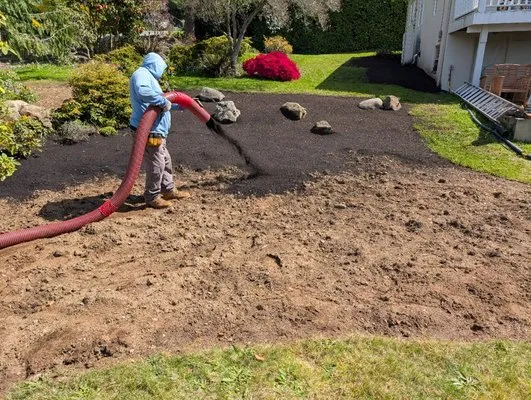
Ballinger Landscaping is a licensed and bonded landscaping service based in Shoreline, WA, specializing in residential and commercial lawn care and maintenance. Founded in 2021, we serve the greater S...
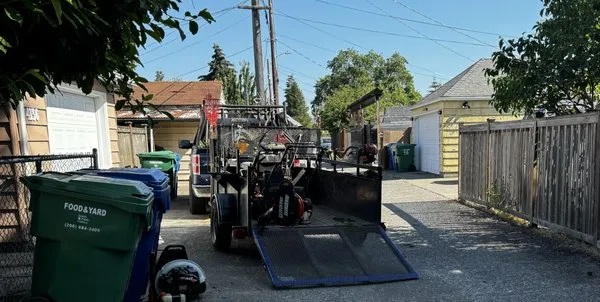
Jimenez Landscaping Service is a family-run business serving Mountlake Terrace and surrounding communities. We focus on combining personalized, attentive service with reliable craftsmanship for all yo...
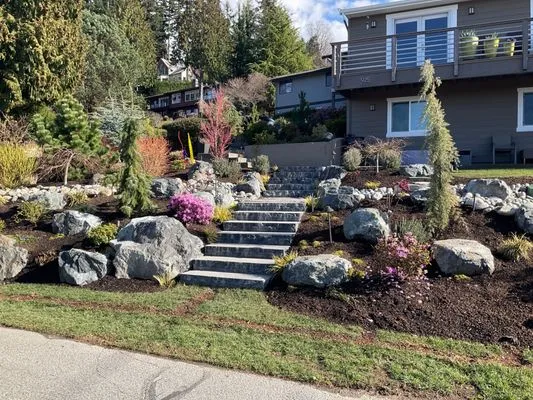
Tom's Landscaping is a trusted, family-owned landscape contractor serving Mukilteo and Snohomish County since 1991. For over 30 years, owner Tom has maintained a hands-on approach, personally overseei...
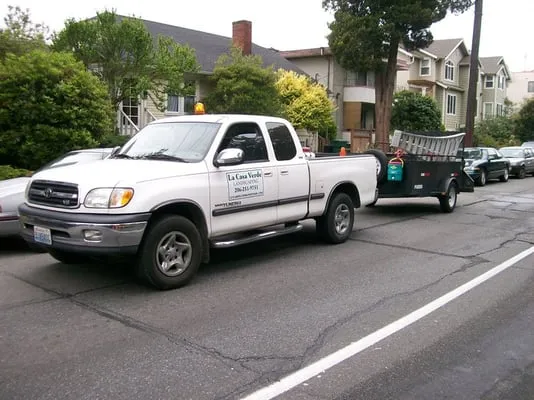
La Casa Verde Landscaping is a dedicated Seattle landscaping company specializing in comprehensive shrub and lawn care. We understand the common local challenges of overgrown shrubs and lawn fungus, w...
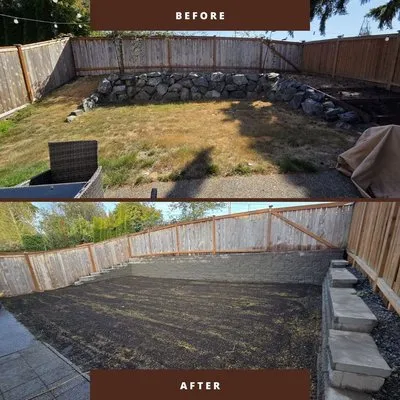
Seattle Maple Landscaping in Lynnwood helps transform your yard into a beautiful and functional outdoor space. We specialize in building durable retaining walls and fences, comprehensive yard maintena...
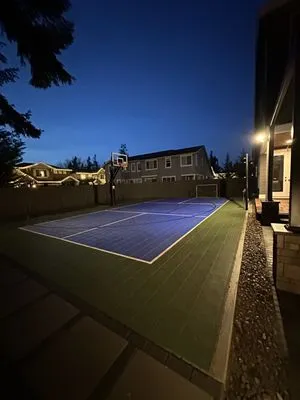
Tnt construction Landscaping Services
TNT Construction Landscaping Services is a Lynnwood-based company specializing in comprehensive outdoor solutions, including landscaping, pressure washing, and masonry/concrete work. With deep roots i...
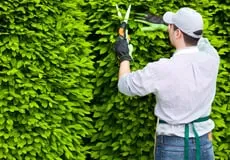
For over three decades, Werner & Sons Landscaping has been caring for yards across Mountlake Terrace and the surrounding area. Our family-owned business is built on a simple principle: making outdoor ...
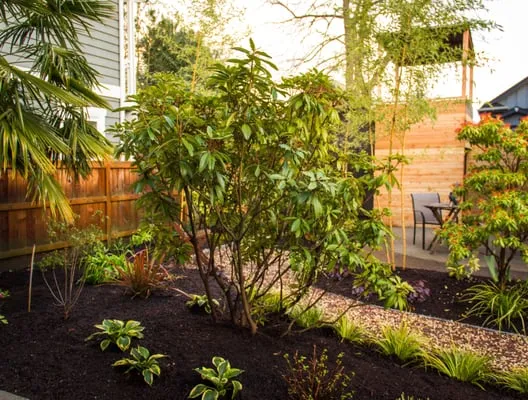
Greencliff Landscape Company
Greencliff Landscape Company is a specialized design and build firm serving Edmonds, WA, founded on a lifelong passion for gardens and art. Proprietor Crane Stavig, raised by artists and avid gardener...
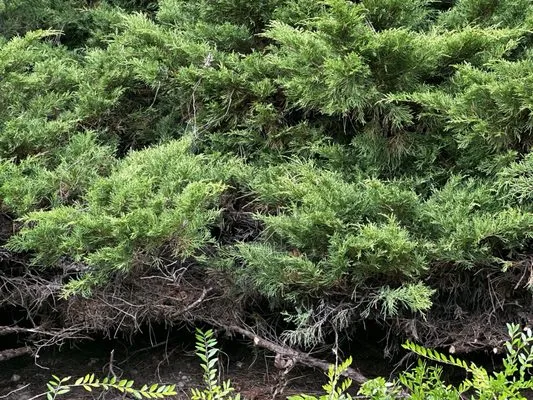
Parkview Landscaping is a licensed landscaping service based in Mill Creek, WA, established in 2009. We specialize in comprehensive residential and commercial grounds maintenance across the Pacific No...
CPG Landscaping
CPG Landscaping LLC is a trusted local landscaping and construction company serving Kenmore, Washington, and the surrounding area. With decades of hands-on experience, we specialize in transforming ou...
Estimated Landscaping Service Costs in Bothell West, WA
FAQs
Why is proper licensing so important for grading and drainage work?
Significant earthwork on a 0.22-acre lot alters site drainage and can impact neighboring properties. The Bothell Community Development Department requires permits for such projects to ensure compliance with codes. Hiring a contractor licensed by the Washington State Department of Labor & Industries is non-negotiable; this certification verifies they carry necessary insurance and possess the expertise to execute plans safely, protecting you from liability and substandard work.
Are permeable pavers a better choice than wood for a new patio?
In our climate and with a Moderate Fire Wise rating, permeable concrete pavers offer superior longevity and functionality compared to wood. They resist rot, provide a stable, low-flammability surface for defensible space, and actively manage stormwater. While wood requires regular sealing and replacement, pavers maintain integrity for decades with minimal upkeep, making them a cost-effective and ecologically responsible long-term investment.
Can you respond quickly for an emergency storm cleanup to meet HOA deadlines?
For urgent HOA compliance or storm-related emergencies, we prioritize dispatch from our central staging near Bothell City Hall. Utilizing I-405 allows for a reliable 20-30 minute arrival to Bothell West, even during peak congestion. Our crews coordinate en route to ensure appropriate low-decibel equipment and debris handling protocols are ready upon arrival to begin immediate remediation.
Why does my Bothell West lawn struggle despite regular feeding?
Properties in this neighborhood, with an average build year of 1991, have soil that is approximately 35 years old. This acidic glacial till (pH 5.5-6.2) has likely experienced decades of compaction from construction and maintenance traffic, severely reducing percolation and root penetration. The primary issue is not nutrient deficiency but soil structure; core aeration and incorporation of compost are critical to rebuild organic matter and improve permeability for long-term turf and planting health.
How can I keep my grass green during Stage 1 water restrictions?
Wi-Fi ET-based irrigation controllers are essential for conservation. They automatically adjust watering schedules by using local evapotranspiration data, applying water only when your perennial ryegrass and fine fescue blend truly needs it. This technology can reduce outdoor water use by 20-30% while maintaining turf viability, keeping you well within voluntary conservation guidelines and preventing over-saturation of our dense glacial soils.
Is there a lower-maintenance alternative to my high-input lawn?
Transitioning to a landscape anchored by Pacific Northwest natives like Salal, Red Flowering Currant, and Western Sword Fern significantly reduces water, fertilizer, and maintenance demands. These plants are adapted to our acidic soils and climate, forming resilient ecosystems. This shift also future-proofs your property against evolving noise ordinances, as established native beds require little of the weekly gas-powered blower and mower use that turfgrass demands.
My yard is soggy for months. What's a lasting solution for this wet soil?
Persistent saturation is a hallmark of compacted glacial till with poor internal drainage. Beyond regrading, specify permeable concrete pavers for any new patios or walkways; they allow stormwater to infiltrate directly, reducing surface runoff. This approach often meets the Bothell Community Development Department's stormwater management standards and addresses the root cause by working with the site's natural hydrology rather than against it.
What should I do about invasive English Ivy or Himalayan Blackberry?
Manual removal is most effective for these pervasive species; cut vines at the base and carefully dig out root crowns. For follow-up, use a glyphosate-based herbicide applied precisely to cut stems in fall, when native plants are dormant. This targeted method minimizes ecosystem impact and complies with the local fertilizer ordinance, as it involves no phosphorus application and avoids broad-scale chemical use.
