Top Landscaping Services in Bonney Lake, WA, 98321 | Compare & Call

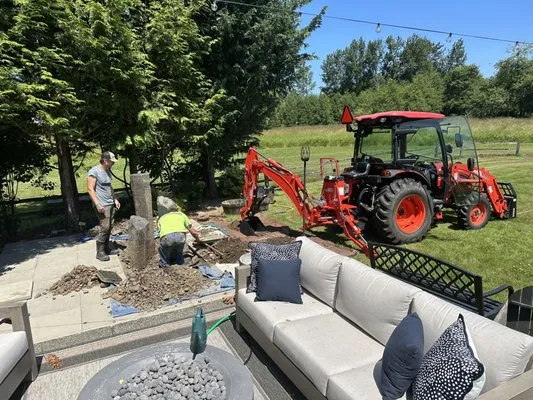
Since 1981, Morning Rain has been the trusted local resource for irrigation and landscaping in Bonney Lake and the surrounding Pierce and South King Counties. We specialize in designing and installing...
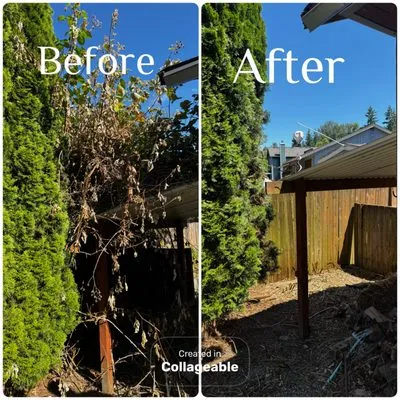
Twin Bladez is a trusted lawn service provider based in Bonney Lake, WA, dedicated to enhancing and maintaining the health and appearance of local properties. We specialize in comprehensive lawn care,...
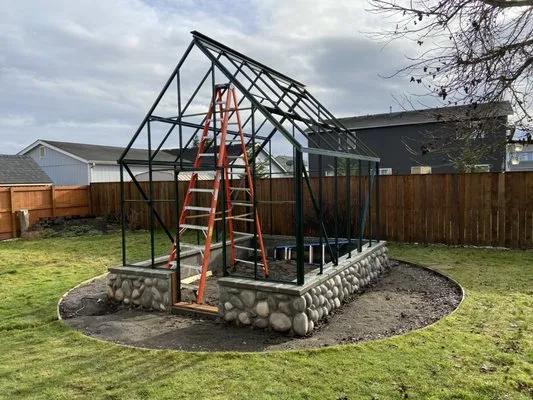
With roots in landscaping that go back to 1995, I learned the craft and commitment to quality firsthand. Today, as the owner of Prime Ground in Bonney Lake, I bring that foundation together with a cre...

C Landscaping Services is your trusted, local partner for enhancing and maintaining your Bonney Lake property. We specialize in professional deck construction, repair, and replacement, alongside compr...
Kasco is a locally owned and operated home services company in Bonney Lake, WA, built on a neighbor-helping-neighbor philosophy. We specialize in three core areas: expert fence and gate installation f...
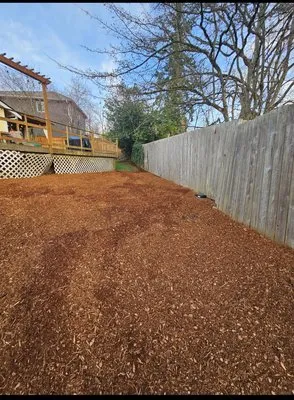
BRC Landscaping is a family-owned landscaping company serving Bonney Lake and the surrounding areas. We specialize in creating sustainable, tailored outdoor spaces for both homes and businesses, offer...

TLC - Thrush Lawn Care
TLC - Thrush Lawn Care has been a trusted local lawn and landscape partner for Bonney Lake residents since 2020. As a fully licensed and insured company, we specialize in transforming and maintaining ...
G Parente Landscaping is a trusted local landscaping and design firm serving Bonney Lake, WA. We specialize in professional landscape design that directly addresses common local challenges like poor l...
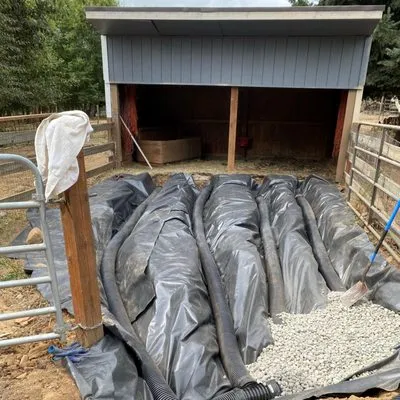
Curry Landscape and Garden Center has been a trusted name in Bonney Lake and the greater Puget Sound region since 1987. As a licensed and bonded local business, we specialize in solving the foundation...
TalofaGreen Landscaping is a Bonney Lake-based lawn service provider dedicated to enhancing and protecting your outdoor space. We specialize in comprehensive lawn care to keep your grass healthy and r...
Questions and Answers
How do we maintain healthy turf during Bonney Lake's voluntary water conservation periods?
Smart Wi-Fi ET-based weather sensing irrigation systems adjust watering schedules according to actual evapotranspiration rates. This technology reduces water usage by 20-30% while preserving perennial ryegrass/fine fescue blends. The system automatically accounts for rainfall and temperature fluctuations, ensuring compliance with Stage 1 conservation measures. Proper programming maintains turf health within municipal water allocation limits throughout the growing season.
Our yard floods after heavy rains due to compacted glacial till. What solutions meet Bonney Lake's runoff standards?
Compacted glacial till creates poor infiltration rates of approximately 0.5 inches per hour. Installing permeable concrete pavers with gravel sub-base layers increases permeability to 5-10 inches per hour. This approach meets Bonney Lake Planning & Building Division's runoff standards by allowing water to infiltrate naturally rather than contributing to stormwater systems. French drains connected to dry wells provide additional capacity for extreme precipitation events.
We need emergency storm debris cleanup to meet HOA compliance deadlines. What's your response protocol?
Our electric maintenance fleet dispatches from Allan Yorke Park via SR-410 to View Ridge neighborhoods within 25-40 minutes during peak conditions. We prioritize routes that avoid residential noise ordinance restrictions while meeting urgent cleanup needs. This timing accounts for traffic variables while ensuring compliance with Bonney Lake's 7am-9pm weekday operational windows for landscape maintenance equipment.
Our View Ridge yard has patchy grass and compacted soil. What's the underlying issue with Bonney Lake's glacial till?
View Ridge properties built around 1999 have acidic glacial till soil that has matured for approximately 27 years. This soil type naturally compacts over time, reducing permeability and creating drainage issues. The pH range of 5.5-6.5 limits nutrient availability for turf grasses. Core aeration with organic compost amendments improves soil structure and microbial activity, addressing both compaction and acidity simultaneously.
We've spotted invasive English ivy spreading. How do we treat it without violating fertilizer regulations?
English ivy presents significant invasive risk in Bonney Lake's acidic soils. Manual removal followed by targeted glyphosate application during dry periods provides effective control without phosphorus-based fertilizers. Treatment timing avoids the statewide phosphorus ban (RCW 15.54.500) blackout dates typically from October through March. Post-removal, planting native groundcovers like salal prevents reinfestation while improving soil health through natural mycorrhizal associations.
Should we use permeable pavers or wood for our new patio considering fire safety concerns?
Permeable concrete pavers offer superior longevity and fire resistance compared to wood decking in Bonney Lake's Moderate Fire Wise rating zones. Pavers maintain defensible space requirements by not contributing combustible material near structures. Their 30+ year lifespan versus wood's 10-15 year replacement cycle provides better long-term value. The permeability also reduces runoff during fire suppression efforts, an important consideration in WUI Zone compliance areas.
What permits and licensing are required for regrading our 0.22-acre View Ridge property?
Grading work on 0.22-acre lots requires both Bonney Lake Planning & Building Division permits and Washington State Department of Labor & Industries contractor licensing. The permit office reviews drainage plans to ensure compliance with local runoff standards, while state licensing verifies contractor competency in soil mechanics. Professional licensing becomes mandatory when moving more than 50 cubic yards of material or altering natural drainage patterns, thresholds easily exceeded on standard Bonney Lake residential lots.
Can we reduce maintenance costs while complying with upcoming electric equipment mandates?
Replacing high-maintenance turf with native plantings like salal, Oregon grape, sword fern, and red flowering currant creates a self-sustaining landscape. These species require minimal watering once established and eliminate weekly mowing needs. This transition reduces dependence on gas-powered equipment ahead of noise ordinance restrictions on combustion engines. Native plantings also support local pollinator populations and require only seasonal maintenance rather than weekly attention.
