Top Landscaping Services in Black Diamond, WA, 98010 | Compare & Call
There are 190 landscaping companies server in Black Diamond WA
C & R Landscape Contractors is a Kent, WA-based landscaping company dedicated to solving common local yard problems, particularly poor drainage and dead lawn areas. They specialize in practical soluti...
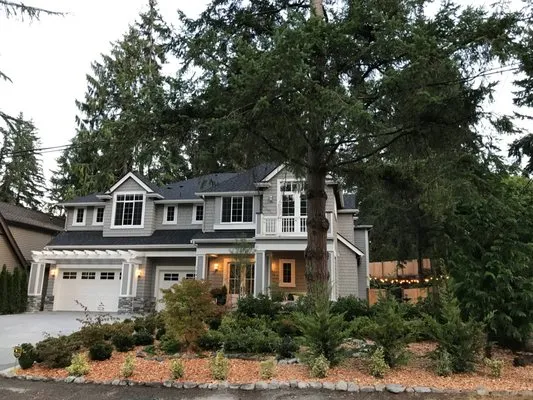
JC Landscape is a family-owned Renton business founded in 2003, dedicated to transforming and maintaining outdoor spaces across western Washington. Owner Jay, a Bellevue College graduate, grew up work...
KC Landscaping is a trusted, full-service landscaping company serving Auburn, WA, and the surrounding areas. We specialize in comprehensive landscape design, construction, and maintenance, offering ev...
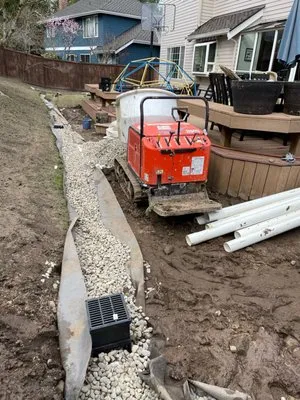
Leafy Landscape is a trusted, full-service landscaping company serving Covington, WA. We specialize in creating and maintaining beautiful, healthy outdoor spaces that thrive in the local climate. Our ...
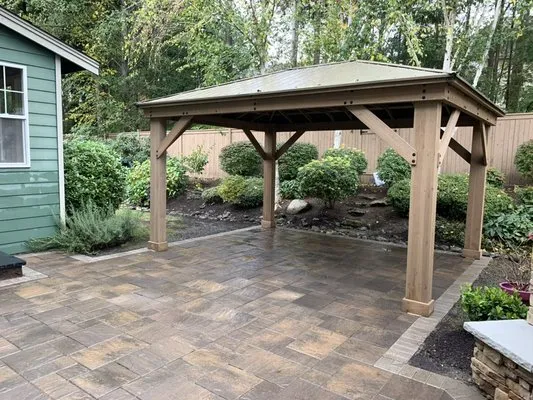
Brian Uriarte brings over a decade of hands-on landscaping experience to every project in Kent. After working with multiple local companies for more than ten years, he founded B's Landscapes to combin...
Big Mountain Landscape & Maintenance is a trusted lawn care provider serving homeowners throughout Kent, WA. We understand the specific challenges local lawns face, including persistent soil compactio...
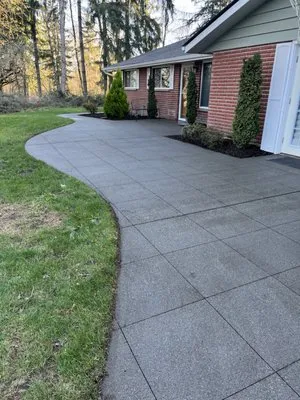
Black Diamond Landscape is a dedicated lawn care provider serving the Black Diamond, WA community. We specialize in maintaining healthy, vibrant lawns that can better resist common local challenges li...
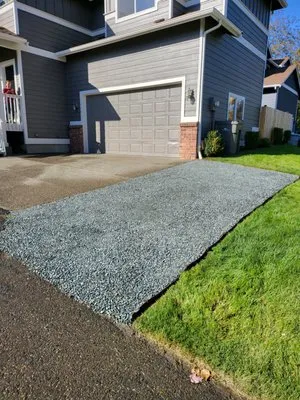
Tin's Landscaping is a Renton-based company providing comprehensive outdoor services for both residential and commercial properties. We offer a full spectrum of care, from routine lawn mowing, edging,...
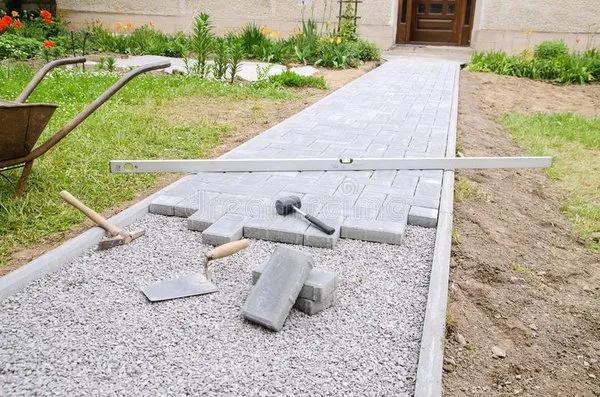
E & J Landscaping Services is a family-owned business proudly serving Auburn and the surrounding communities for nearly a decade. Rooted in local expertise, they bring a personal touch to every projec...
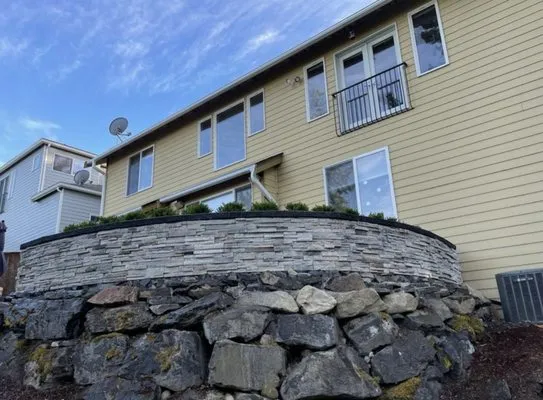
Since 1999, my journey in the landscape industry began with a passion for plants and trees, cultivated while working for three of Washington's largest landscape firms. This deep-rooted experience insp...
Estimated Landscaping Service Costs in Black Diamond, WA
FAQs
Is there a low-maintenance alternative to my high-input lawn?
Transitioning to a xeriscape featuring Pacific Northwest natives is a strategic, sustainable alternative. Plants like Salal, Red Flowering Currant, and Sword Fern are adapted to the acidic soil and local climate, requiring minimal supplemental water once established. This approach significantly reduces mowing frequency and eliminates the need for gas-powered blowers, aligning with evolving noise ordinances and supporting local biodiversity beyond 2026 standards.
What permits and contractor credentials are needed for regrading my yard?
Any significant grading or earthwork on a 0.22-acre lot requires a permit from the Black Diamond Community Development Department. The contractor must hold a current, active license with the Washington State Department of Labor & Industries. This licensing ensures they carry the necessary bonding and insurance. It is illegal and high-risk to hire an unlicensed individual for this work, as improper grading can create off-site drainage liabilities and violate municipal codes.
What invasive species should I watch for, and how are they treated?
English Ivy and Himalayan Blackberry are prevalent invasive alerts here. Manual removal is most effective, ensuring the entire root system is extracted. For persistent woody weeds, a targeted, phosphorus-free herbicide application may be used, strictly following the Revised Code of Washington 15.54. Timing is critical to avoid blackout dates and prevent harm to non-target species. Always follow up with planting aggressive natives like Oregon Grape to occupy the space.
How quickly can a crew arrive for an emergency storm cleanup to meet HOA compliance deadlines?
For urgent service from our base near the Black Diamond Community Center, we dispatch via SR-169. During peak traffic, the estimated travel time to the Ten Trails area is 45-60 minutes. Our electric maintenance fleet, compliant with the 60 dBA residential noise ordinance, allows for immediate dispatch within restricted hours (7am-10pm) to address downed limbs or drainage blockages without violating local codes.
Can I keep my lawn green during Stage 1 water restrictions?
Yes, with precise management. A smart Wi-Fi ET-based irrigation system is essential. It uses local weather data to apply water only when evapotranspiration rates demand it, avoiding waste. This technology, combined with a drought-tolerant perennial ryegrass and fine fescue mix, maintains turf health within voluntary conservation limits. Properly calibrated, the system can reduce total water use by 20-30% compared to traditional timers.
Why is the soil in Ten Trails so compacted and acidic?
Properties developed around 1995 have soil maturity of approximately 31 years. In this neighborhood, excavation and grading during construction typically left a base layer of native acidic glacial till. This material, with a pH of 5.5-6.2, is often compacted by heavy equipment and lacks mature topsoil structure. Annual core aeration and incorporation of composted organic matter are required to improve soil percolation and support healthy root zones for lawns and ornamentals.
My yard stays soggy for months. What's the best long-term fix?
Persistent saturation indicates poorly drained clay lenses common in our glacial till. The primary solution involves improving subsurface permeability. Installing a French drain system to intercept water and daylight it away from structures is often necessary. For any new patios or walkways, specify permeable concrete pavers; they meet the Black Diamond Community Development Department's runoff standards by allowing water to infiltrate locally, reducing the burden on your drainage system.
Are permeable pavers a better choice than wood for a new patio?
For longevity and fire resilience, permeable concrete pavers are superior. In our moderate Wildland-Urban Interface fire risk zone, non-combustible materials contribute to defensible space. Compared to wood, pavers do not rot, warp, or require chemical treatments. Their permeability also directly addresses the core drainage hazard of seasonal saturation, managing runoff at the source. They offer a permanent, low-maintenance solution aligned with both infrastructure and safety goals.
