Top Landscaping Services in Big Lake, WA, 98274 | Compare & Call
There are 152 landscaping companies server in Big Lake WA
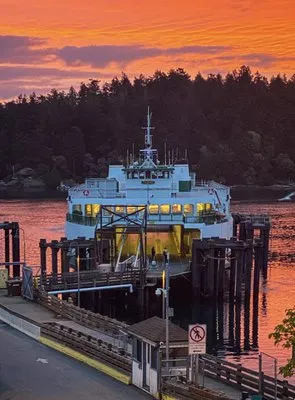
Founded in 2007 by Kaya, Kare Kontracting is a trusted, minority and woman-owned general contracting company serving the San Juan Islands and surrounding Washington communities. What began as a small ...
Greenview Lawn Care Services is a locally owned and operated business in Burlington, WA, founded in 2007 by an owner whose passion for plants began in high school agriculture classes. For over 18 year...
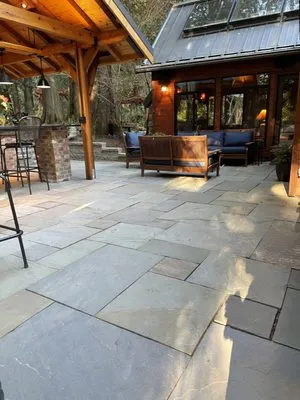
Ivan's Landscape & Construction
Ivan's Landscape & Construction is a trusted, locally-owned company serving Snohomish County and the wider PNW region. With over six decades of combined expertise in landscaping, excavation, and gener...
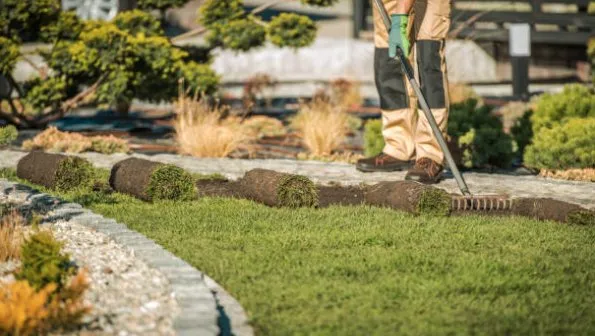
Above Ground II Landscaping and Tree Removal is Arlington's trusted partner for comprehensive tree and landscape care. We specialize in diagnosing and resolving the common challenges homeowners face i...
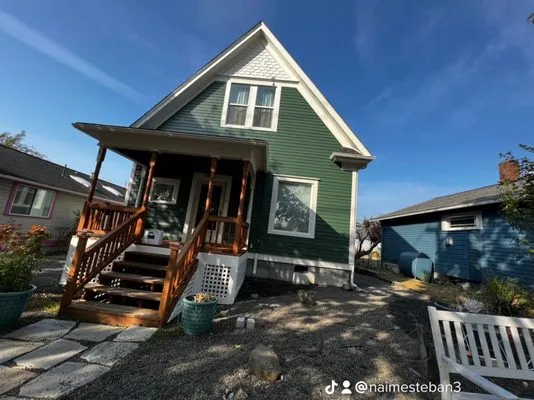
Fredy's Landscaping and Painting Service
Fredy's Landscaping and Painting Service LLC is a Bellingham-based company dedicated to enhancing both the exterior and interior of local homes. We specialize in a comprehensive range of services, fro...
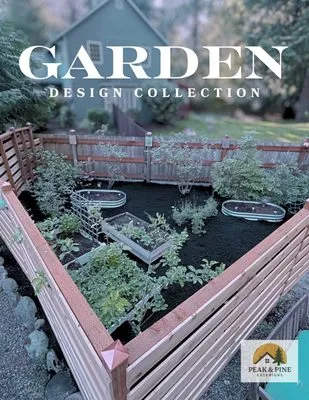
Peak & Pine Exteriors is a Marysville-based company founded by Austin, who believes a home's exterior deserves as much care as its interior. Specializing in gutter services, lawn care, and roofing, we...

Sampson Home Service is your trusted local handyman and landscaping expert serving Sedro-Woolley and the surrounding Skagit Valley. We specialize in a comprehensive range of services, from appliance i...
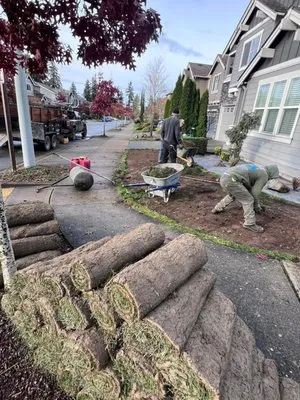
NW Property Maintenance is a trusted local service provider in Lake Stevens, WA, specializing in landscaping, gutter services, and pressure washing. We understand that homeowners in our community freq...
Islandscaping Concrete is your trusted Stanwood contractor for enhancing both your home and landscape. As a general contractor, we specialize in building additions and constructing custom decks to exp...
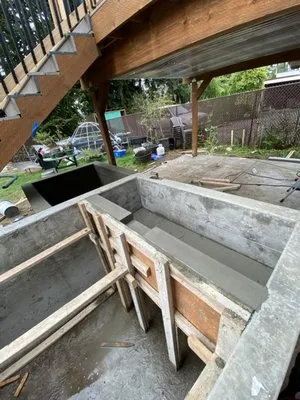
Lopez Concrete is a family-owned masonry and concrete business serving Lake Stevens, WA, with expertise in driveway installation, retaining walls, walkways, repairs, sealing, and removal. With years o...
Estimated Landscaping Service Costs in Big Lake, WA
Frequently Asked Questions
How do smart irrigation systems conserve water while maintaining healthy turf?
Smart Wi-Fi soil moisture sensor arrays measure actual evapotranspiration rates, delivering precise water volumes to perennial ryegrass and fine fescue turf. These systems automatically adjust schedules based on real-time weather data, preventing overwatering despite no formal restrictions. This technology maintains turf health while reducing municipal water consumption by 30-40% compared to traditional timer-based systems.
What permits and licenses are required for landscape grading work?
Grading on 0.35-acre lots requires Skagit County Planning & Development Services approval for any cut/fill exceeding 50 cubic yards. Washington State Department of Labor & Industries mandates contractor licensing for earthmoving equipment operation. Unlicensed grading risks significant fines and voided insurance coverage, particularly when altering drainage patterns that affect neighboring properties in Big Lake's high water table environment.
What solutions address seasonal saturation in Big Lake yards?
High water table conditions in acidic silt loam require integrated drainage strategies. French drains with clean gravel bedding redirect subsurface water, while permeable concrete or crushed basalt hardscapes increase surface infiltration. These approaches meet Skagit County Planning & Development Services runoff standards by managing stormwater on-site rather than contributing to municipal system overload during saturation periods.
Are permeable hardscapes better than wood for fire safety?
Crushed basalt and permeable concrete provide superior fire resistance compared to combustible wood materials. These mineral-based surfaces maintain Moderate Fire Wise Rating compliance by creating defensible space in WUI Zone 2. Their non-flammable nature reduces wildfire fuel loads while offering greater longevity—typically 25+ years versus wood's 10-15 year lifespan in our damp climate.
How quickly can you respond to storm damage for HOA compliance?
Emergency cleanup crews dispatch from Big Lake County Park via WA-9, reaching most Big Lake Residential Corridor properties within 20-30 minutes during peak storm response. This routing avoids residential bottlenecks while maintaining accessibility. We prioritize safety assessments before debris removal, ensuring compliance with local ordinances while restoring property functionality.
Should I replace high-maintenance grass with native plants?
Transitioning from turf to Salal, Red Flowering Currant, Western Sword Fern, and Douglas Spirea reduces maintenance frequency by 70%. These natives thrive in Zone 8b conditions without supplemental irrigation once established. This shift anticipates evolving noise ordinances by eliminating gas-powered equipment needs while supporting 2026 biodiversity standards through pollinator habitat creation.
How do I control invasive weeds without violating fertilizer regulations?
Scotch broom and Himalayan blackberry pose significant invasion risks in Big Lake's disturbed soils. Manual removal during dormancy followed by native replanting prevents regrowth without chemicals. The statewide phosphorus ban prohibits most synthetic treatments, making targeted organic herbicides with mycorrhizae inoculants the compliant approach. Timing applications outside sensitive periods avoids ordinance violations.
Why does my lawn have drainage issues and poor soil quality?
Big Lake Residential Corridor properties built around 1992 have 34-year-old soil profiles. Acidic silt loam with pH 5.5-6.2 naturally compacts over decades, reducing permeability. This soil type requires annual core aeration to break up compaction layers and organic amendments like compost to improve structure. Without intervention, seasonal saturation from the high water table exacerbates drainage problems in established landscapes.
