Top Landscaping Services in Beacon Hill, WA, 98108 | Compare & Call
There are 201 landscaping companies server in Beacon Hill WA

Soundscape Tree & Garden is a Seattle-based landscaping company founded in 2008 by Ed Beier, a WA state specialty contractor (#SOUNDTG904LN) with deep roots in the community. Ed brings 26 years of loc...
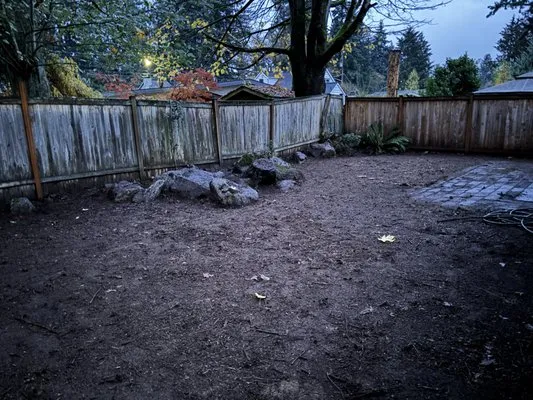
DH Hauling and Demo is a Seattle-based, locally-owned company dedicated to transforming properties through comprehensive demolition, hauling, and landscaping services. Founded in the heart of the city...
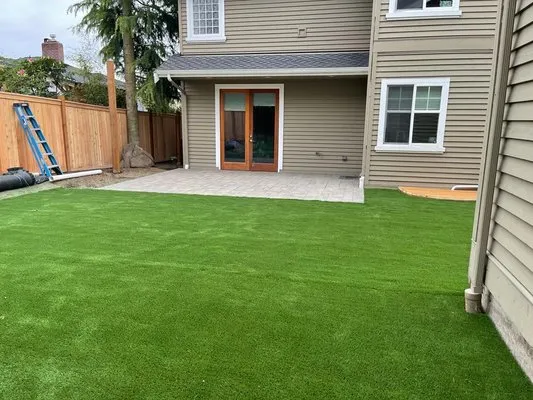
Acosta Landscape and Pavers is a locally owned and operated business serving Lynnwood and the greater Puget Sound region. Founded over 7 years ago by outdoor living specialist Byron Acosta, the compan...
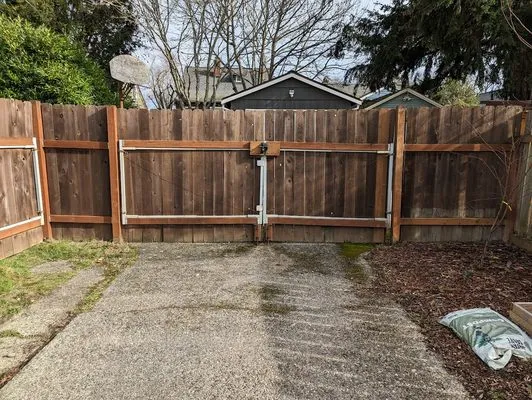
All In One Landscaping And Fencing
All In One Landscaping And Fencing is a locally owned and operated company serving Mill Creek and surrounding areas. Owner Fernando personally oversees each project, from initial consultation to final...
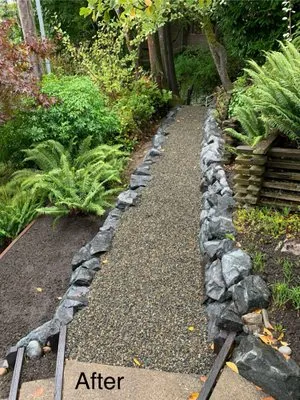
Earthworks Land Care is a Tukwila-based landscaping company founded in 2011 by Ryan, an ISA Certified Arborist and Seattle Tilth Master Composter. With over 15 years of industry experience and ongoing...
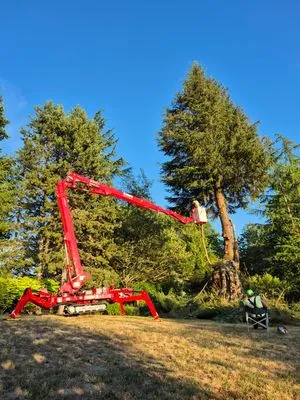
Kanaskat Tree Service is a locally owned and operated tree care company serving Ravensdale and the surrounding communities. Founded in 2018, we began by helping friends and neighbors with their tree a...
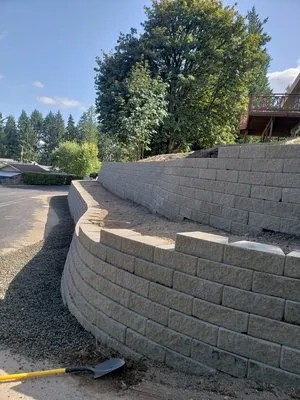
Everest Landscaping Services is a fully licensed and insured landscaping company serving Seattle, WA, with over a decade of hands-on experience transforming outdoor spaces. We specialize in a comprehe...
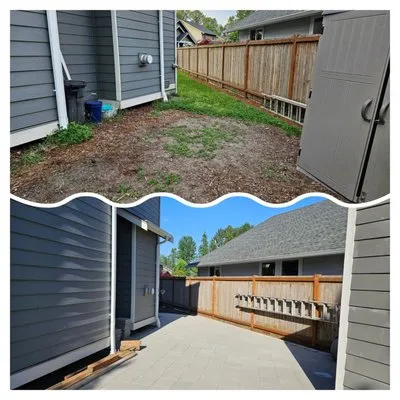
Merino's Landscaping is a locally-owned and operated landscaping service in Bellevue, WA, founded by a professional with over a decade of hands-on experience. After years working for other companies, ...
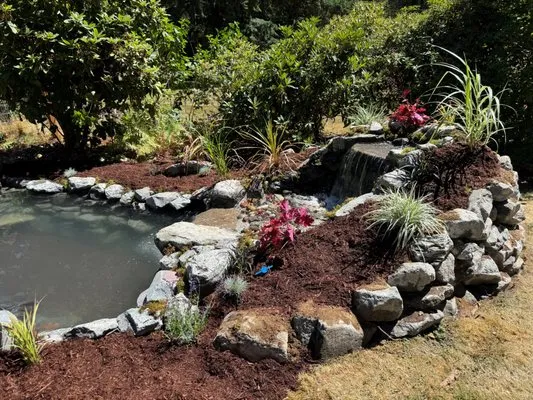
Affordable Ponds NW is a Seattle family business, passionately operated since 1992. We grew up maintaining ponds and waterfalls, turning a lifelong joy into a trusted local service. For over three dec...
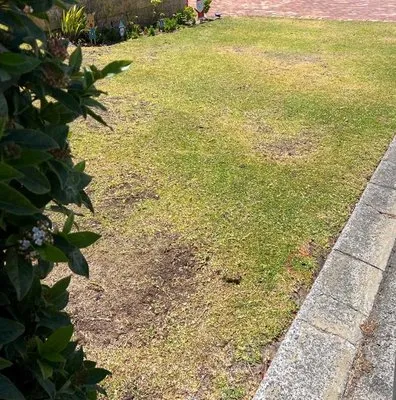
For Michele and the team at Broadmoor Lawn Services, every Seattle lawn is a canvas. Our approach is built on a simple principle: meticulous care and a deep understanding of Pacific Northwest conditio...
Estimated Landscaping Service Costs in Beacon Hill, WA
Question Answers
How quickly can you respond to a storm-downed tree limb blocking my driveway?
For emergency cleanup situations requiring HOA or city compliance, our dispatch from our Jefferson Park staging area uses I-5 for direct Beacon Hill access. Accounting for peak traffic conditions, a dedicated crew with required reduced-decibel equipment can typically be on-site within the 20-30 minute window. This rapid response prioritizes safety and clears access while we assess the tree's overall health and stability.
How do I deal with invasive ivy or blackberry without using harsh chemicals?
Manual removal of invasive species like English Ivy or Himalayan Blackberry is most effective when the soil is moist, typically outside of summer. For persistent regrowth, targeted, foliar-applied herbicide in fall can be used by a licensed professional. All treatments must comply with the City of Seattle's ban on phosphorus fertilizers and follow label directions to protect surrounding native plants and soil life.
How do I keep my lawn green during Stage 1 water restrictions without wasting water?
Smart Wi-Fi ET-based irrigation systems are calibrated using local evapotranspiration data and weather sensing to apply water only when and where your Perennial Ryegrass blend needs it. This technology adjusts runtime dynamically, preventing overwatering even during dry spells. It is the definitive method for preserving turf quality while adhering to voluntary conservation measures and preparing for potential stricter municipal limits.
My yard floods and creates runoff every winter. What's the long-term solution?
High surface runoff on Beacon Hill is exacerbated by the underlying compacted glacial till, which acts like a shallow pan. Regrading to create positive drainage away from foundations is the first step. For patios or walkways, replacing impervious surfaces with permeable concrete pavers significantly increases onsite infiltration, meeting Seattle Department of Construction & Inspections standards for stormwater management and reducing neighborhood runoff.
What are low-maintenance, quiet alternatives to my noisy gas mower and thirsty lawn?
Transitioning to a landscape built from Pacific Northwest natives like Salal, Sword Fern, and Kinnikinnick drastically reduces water, mowing, and chemical inputs. These plants are adapted to our acidic soil and climate. This shift also future-proofs your property against evolving noise ordinances phasing out gas-powered blowers and mowers, aligning maintenance with quieter, electric equipment.
Are permeable pavers a better choice than a wooden deck for my backyard patio?
For longevity and reduced maintenance in our damp climate, permeable concrete pavers outperform wood. They do not rot, splinter, or require sealing, and their inherent fire resistance contributes to defensible space in Beacon Hill's Moderate Fire Wise rating zone. The permeable joints also manage stormwater runoff directly on-site, a critical function that traditional decking cannot provide.
Do I need a permit to regrade my backyard for better drainage?
Yes. Any significant grading that alters water flow or involves retaining walls over a certain height requires a permit from the Seattle Department of Construction & Inspections. On a 0.12-acre Beacon Hill lot, such work is often in close proximity to property lines and foundations, necessitating precise execution by a contractor licensed by the Washington State Department of Labor & Industries for both public protection and project integrity.
Why does my Beacon Hill soil feel so compacted and why is nothing thriving?
Homes built around 1972, like many in this neighborhood, sit on 54-year-old landscapes over native acidic glacial till. Over decades, foot traffic and machinery have severely compacted this soil, reducing its permeability and oxygen availability to roots. The natural pH of 5.5-6.2 also locks up essential nutrients. Core aeration coupled with incorporating composted organic matter is not just beneficial; it's necessary to rebuild soil structure and biology for plant health.
