Top Landscaping Services in Ames Lake, WA, 98014 | Compare & Call
There are 193 landscaping companies server in Ames Lake WA
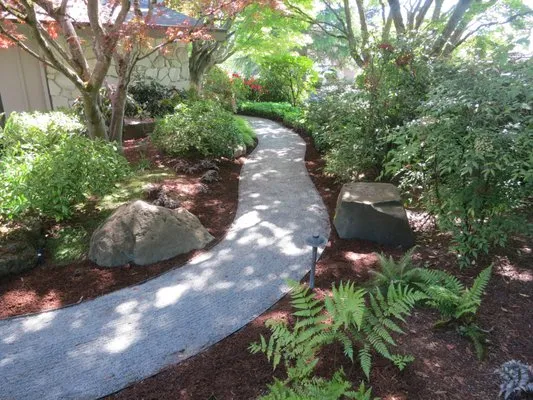
D M Ohashi Landscape Services is a trusted, family-owned landscaping company serving Issaquah and the surrounding Puget Sound region. With over three decades of local experience, they specialize in cu...
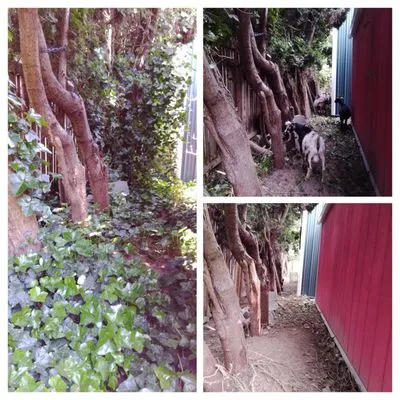
The Goat Lady is a trusted, family-owned landscaping company serving Duvall and the surrounding Snoqualmie Valley. We specialize in comprehensive shrub care, from expert planting and pruning to diseas...
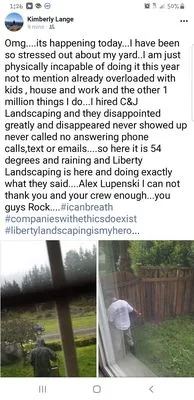
Liberty Landscaping in Monroe, WA is a locally-owned landscaping company that has been serving residential and commercial clients since 2006. With over 25 years of combined experience, their team spec...
Bub's Trees Lawns and Beyond is your trusted, full-service partner for outdoor care in Duvall, WA. Specializing in tree services, landscaping, and fence & gate work, we help homeowners maintain beauti...
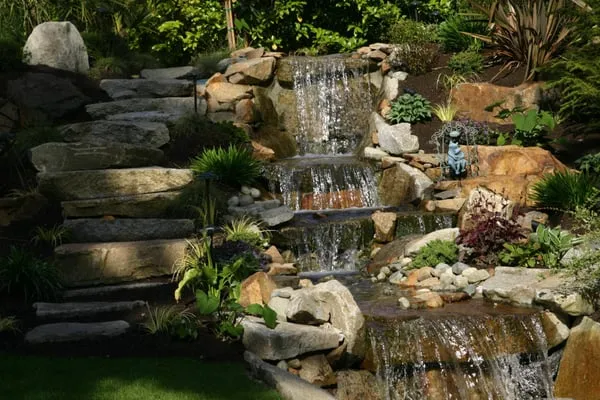
Paradise Landscaping is a trusted, locally-owned landscaping company serving Duvall, WA, and the surrounding Snoqualmie Valley. We specialize in addressing common local landscaping challenges like soi...
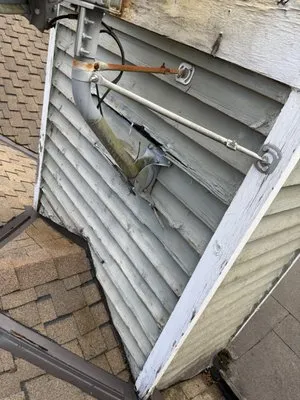
AR Landscaping & Handyman LLC is a licensed, bonded, and insured Redmond business dedicated to enhancing and maintaining your outdoor space. We provide a comprehensive range of services, from one-time...
Tribella Landscapes serves homeowners in Sammamish, WA, by tackling the specific landscaping challenges unique to our local environment. We specialize in efficient storm debris cleanup, clearing falle...
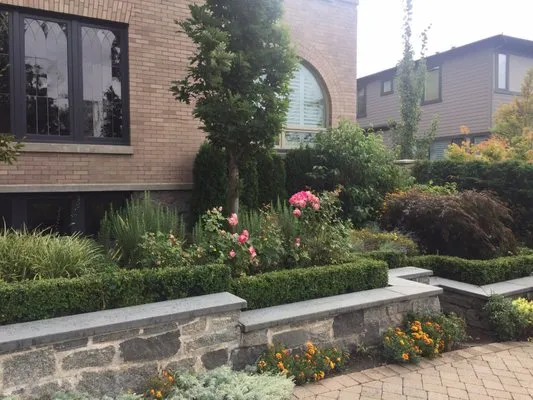
Based in Snoqualmie, Alpenglow Landscaping is dedicated to creating and maintaining beautiful, healthy landscapes that thrive in the Pacific Northwest. With over 30 years of local experience, we under...
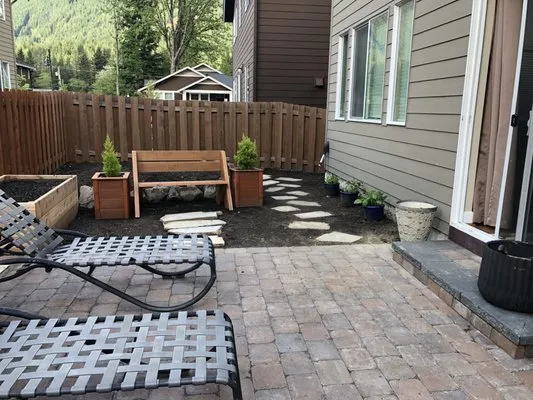
J & R Rockscapes
J & R Rockscapes is a Snoqualmie-based landscape design and construction company that has been building beautiful, functional outdoor spaces since 2005. Founded by local experts, the company specializ...
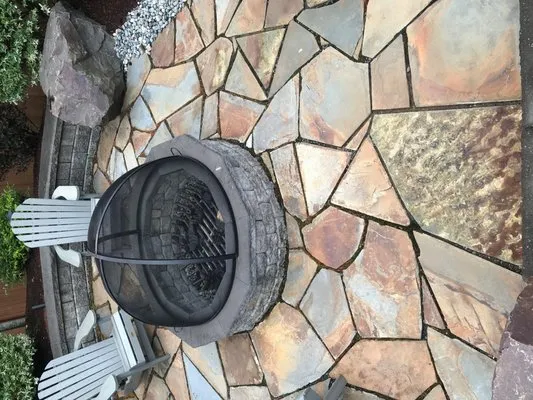
Stone Creek Landscaping serves the Snoqualmie, WA, community, focusing on practical solutions for common local yard challenges. Many homes in the area contend with lawn damage from invasive tree roots...
Estimated Landscaping Service Costs in Ames Lake, WA
Frequently Asked Questions
What permits and credentials should I verify before hiring someone for major grading work?
Any significant grading or drainage alteration on a 0.45-acre lot requires a permit from the King County Department of Local Services - Permitting Division. The contractor must hold a current, bonded license from the Washington State Department of Labor & Industries. This ensures they are insured for property damage and liability. Unlicensed work risks improper slope stabilization, which can lead to downstream erosion violations and costly remediation orders from the county.
Is a wood deck or a paver patio better for longevity and fire safety in our area?
Permeable basalt pavers offer superior longevity and lower maintenance compared to wood, which decays in our wet climate. For fire safety, pavers provide a non-combustible surface that contributes to the required defensible space in our Moderate (WUI Zone 2) fire risk rating. A properly installed paver patio requires no sealing or staining, eliminates slip hazards from moss, and integrates seamlessly with drainage solutions to manage the site's high seasonal saturation.
My yard is a soggy mess every spring. What's a permanent solution for this wet soil?
Seasonal saturation is a direct result of the dense, acidic glacial till common here, which creates impermeable gleyed horizons. Installing a French drain system tied to a dry well is the most effective subsurface correction. For surfaces, using permeable basalt pavers allows stormwater to infiltrate directly, meeting King County Department of Local Services runoff standards. This combination addresses the hydraulic problem at both the surface and subsurface levels.
I'm tired of weekly mowing and gas blowers. What's a lower-maintenance, quieter alternative?
Transitioning high-input turf areas to a matrix of Pacific Northwest natives like salal, kinnikinnick, and western sword fern creates a self-sustaining landscape. These plants require no mowing, minimal water once established, and thrive in our acidic soil. This shift aligns with evolving noise ordinances restricting gas-powered equipment and supports greater biodiversity. Red-flowering currant adds seasonal interest while providing early-season forage for pollinators.
What are the biggest invasive weed threats here, and how do I treat them safely?
Himalayan blackberry and English ivy are the primary invasive species alerts for Ames Lake. Manual removal is most effective for initial control. For persistent issues, targeted spot-treatment with a glyphosate-based herbicide in fall, when natives are dormant, is recommended. All treatments must use phosphorus-free fertilizers as mandated by local ordinance. Avoid broadcast applications to protect the root zones of desirable native plants and prevent chemical runoff into the lake watershed.
Why does my lawn struggle here in Ames Lake Estates, and what's wrong with the soil?
Homes built around 1988, like many in this neighborhood, sit on roughly 38-year-old disturbed soil profiles. The original acidic glacial till, with a pH of 5.5-6.2, was compacted during construction, limiting root penetration and water movement. This compaction creates gleyed, saturated horizons that suffocate grass roots. Annual core aeration and incorporating composted organic matter are essential to rebuild soil structure and improve permeability for healthy turf.
My property needs an emergency storm cleanup to meet HOA compliance. How fast can you respond?
Our standard emergency dispatch from our base near Ames Lake Park uses WA-202 for primary access. During peak congestion, the travel time to Ames Lake Estates is 45-60 minutes. We coordinate with county road crews to clear primary routes first. All storm response vehicles are electric or battery-powered, allowing us to operate within restricted noise ordinance hours without delay for immediate debris removal and safety mitigation.
How can I keep my perennial ryegrass lawn green during Stage 1 water restrictions?
Wi-Fi ET-based weather-sensing irrigation is the key technology for compliance. The system automatically adjusts runtime based on real-time evapotranspiration data, applying water only when the turf needs it. This precision prevents overwatering, which is critical in our glacially derived soils prone to saturation. Programming deep, infrequent watering cycles encourages deeper root growth, making your fine fescue mix more drought-resilient within voluntary conservation limits.
