Top Landscaping Services in Wolcott, VT, 05680 | Compare & Call

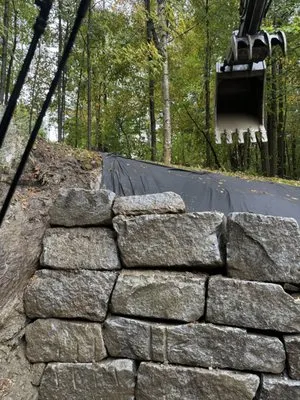
J Dawson Excavation is a trusted local contractor serving Wolcott, VT, and surrounding areas with comprehensive excavation, landscaping, and demolition services. We specialize in addressing common loc...
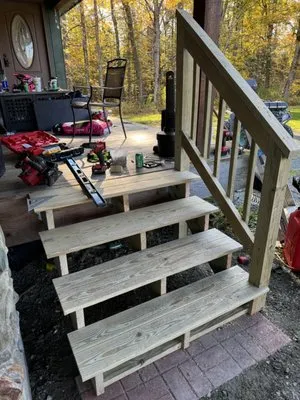
T C Property Maintenance is your trusted local partner in Wolcott, VT, dedicated to keeping properties healthy, clean, and well-presented. We specialize in lawn care and junk removal, offering practic...
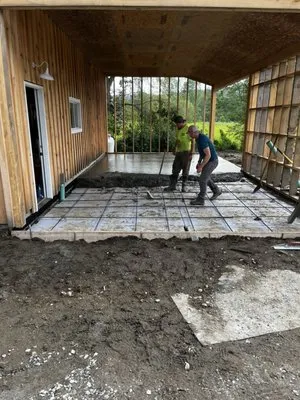
Ridge Construction is a trusted, local contractor in Wolcott, VT, providing comprehensive outdoor solutions from site preparation to finished hardscapes. We specialize in excavation, landscaping, and ...

RC Landscapes is your trusted, full-service partner for property care in Wolcott, VT. We specialize in solving common local landscaping challenges, such as rock garden shifting and patchy, struggling ...
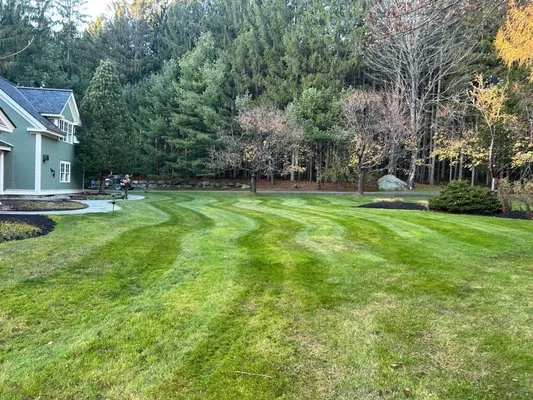
Laines Property Maintenance is your trusted, local partner for year-round property care in Wolcott, VT. We specialize in comprehensive lawn care, gardening, and reliable snow removal services designed...
Question Answers
Is a granite patio better than a wooden deck for my property given Wolcott's climate and fire risk?
Local granite and fieldstone offer superior longevity with minimal maintenance, resisting the freeze-thaw cycles that degrade wood. From a Firewise perspective, stone provides a critical non-combustible zone for defensible space in Wolcott's Moderate Wildland-Urban Interface rating. A properly installed stone patio requires no sealing or staining and integrates seamlessly with the regional landscape character.
Do I need a permit to regrade part of my 1.5-acre lot, and what should I verify about a contractor?
Any significant regrading that alters water flow or involves cut/fill likely requires review by the Wolcott Zoning Administrator to ensure compliance with erosion control and runoff rules. For such work, always verify the contractor holds a current license with the Vermont Secretary of State Office of Professional Regulation. This is essential for work affecting drainage on larger parcels, as it guarantees adherence to state standards for excavation and site work.
What invasive plants should I watch for, and how do I remove them without harming my garden?
Common invasive alerts for this area include Japanese Knotweed and Buckthorn. Manual removal for young plants is most effective. For established patches, targeted, licensed herbicide application in late summer or fall may be necessary, strictly following Vermont Water Quality Standards to protect waterways from phosphorus and chemical runoff. Never apply near wetland edges or during seasonal blackout dates for fertilizer and pesticide use.
How should I water my Kentucky Bluegrass lawn efficiently if Wolcott institutes summer restrictions?
Proactive water conservation is key. While Wolcott currently has no restrictions, designing an ET-based irrigation schedule that waters deeply and infrequently promotes drought-resistant roots. For perennial beds, drip irrigation delivers water directly to the root zone with minimal evaporation. This strategy maintains turf health within potential municipal limits and is more effective than overhead sprinklers on sandy soils.
My yard is soggy in spring and suffers from frost heave. What's the best long-term drainage solution?
The high seasonal water table and frost heave in Wolcott are exacerbated by the low permeability of compacted subsoil. Installing a French drain system tied to a dry well is a standard remedy. For new patios or walkways, using local granite or fieldstone set in a permeable base meets zoning runoff standards by allowing water to infiltrate rather than sheet flow, directly addressing the core drainage hazard.
If a storm brings down a tree limb, how quickly can a crew respond for an emergency cleanup?
For urgent safety issues like a blocked driveway or hazardous hanging limb, we prioritize rapid dispatch. A crew mobilizing from the Wolcott Town Hall area can typically reach most village properties within 45 to 60 minutes during peak response times, using VT-15 for primary access. We coordinate directly with clients to secure the site and begin debris management upon arrival.
Why does my Wolcott Village lawn feel so compacted and thin, even with regular feeding?
Properties in this area, developed around 1938, have soil that has matured for nearly 90 years. The naturally acidic sandy loam has likely experienced significant compaction from decades of foot traffic and traditional maintenance without consistent organic amendment. This reduces soil percolation and root penetration. A core aeration program followed by top-dressing with compost is critical to rebuild soil structure and microbial activity for healthier turf.
I want a lower-maintenance, quieter yard. Are there good native alternatives to my lawn?
Yes, transitioning high-input turf areas to a landscape anchored by Vermont natives like Serviceberry, Bee Balm, and New England Aster significantly reduces mowing and feeding needs. This established planting palette is adapted to the acidic sandy loam and local climate, requiring less water and no gas-powered blowers for leaf management, aligning with a shift toward quieter, electric maintenance and enhanced biodiversity.
