Top Landscaping Services in Waitsfield, VT, 05660 | Compare & Call
There are 38 landscaping companies server in Waitsfield VT

Catellascope Property Maintenance, based in Milton, VT, is a full-service landscaping company dedicated to enhancing and maintaining your property's outdoor spaces. We provide a comprehensive range of...
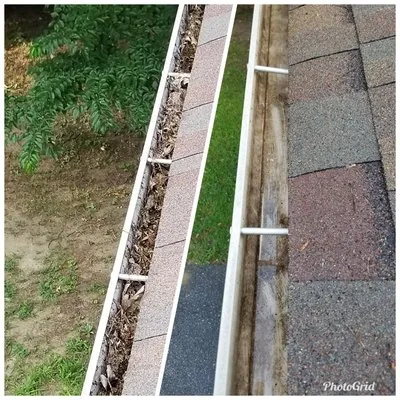
Integrity Lawn Care is your trusted local expert serving Cambridge, VT, and surrounding areas. We understand the unique challenges homeowners face, from overgrown shrubs after a wet spring to the clea...
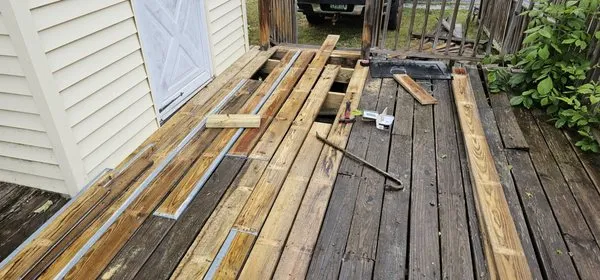
Dale and Sons LLC is an owner-operated handyman, lawn services, and painting business serving Swanton, VT, and surrounding northern Vermont communities. Founded on the dream of operating a service bus...
No Worries Lawn and Plow is a licensed, insured, and family-operated lawn care service in Williston, Vermont. We combine professional expertise with a seamless, tech-enabled experience to ensure your ...

A+ Roofing & Lawn Service is a family-owned, Williston-based business established in 2006, built on a foundation of reliability and local expertise. Owner Bill brings over three decades of experience ...
Summit Property Management
Summit Property Management is a trusted local provider in Colchester, VT, offering comprehensive property care, lawn services, and junk removal. We help homeowners, landlords, and businesses keep thei...
Creekview Landscaping And Mowing is a full-service landscape and tree care provider serving Ferrisburgh and surrounding communities. We specialize in transforming and maintaining outdoor spaces with a...

Bevins Property Maintenance provides comprehensive lawn care, snow removal, and general landscaping services to keep properties in Saint Albans, Franklin County, and Grand Isle County looking their be...

Lily of the Valley Landscape & Design is a dedicated local landscaping company serving Richmond, Vermont. We specialize in expert gardening and comprehensive landscape maintenance to help homeowners a...
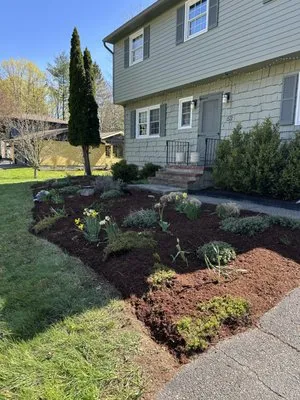
M & A Property Solutions is a trusted lawn care provider serving South Burlington, VT, dedicated to helping homeowners maintain healthy, beautiful outdoor spaces. We specialize in comprehensive lawn c...
Estimated Landscaping Service Costs in Waitsfield, VT
Question Answers
How quickly can a crew respond for an urgent storm cleanup to meet neighborhood standards?
For an emergency cleanup from a wind event or fallen limb, our standard dispatch originates near the Mad River Green. Using Vermont Route 100, we can typically reach most Waitsfield Village addresses within a 20 to 30-minute window during peak response times. This allows for rapid debris removal to clear driveways and mitigate tripping hazards, ensuring HOA or general nuisance ordinance compliance is maintained promptly after a weather incident.
How should I deal with invasive plants like Japanese Knotweed without harming my garden or the river?
Invasive species require a targeted, persistent strategy. Manual removal and careful, spot-applied herbicide treatments are often necessary, but timing is critical to comply with the Vermont Phosphorus Fertilizer Law. Avoid any soil disturbance or chemical application near water bodies during restricted periods. For large infestations, sequential cutting to exhaust root reserves is a safe initial step before considering professional remediation.
Is an automated sprinkler system necessary to maintain a healthy lawn here?
No, automated systems are often excessive for Waitsfield's climate and abundant watershed. A manual drip system or strategic use of rain-barrel catchment is sufficient and ecologically responsible. This approach delivers water directly to the root zones of your Kentucky Bluegrass and Fine Fescue mix, minimizing evaporation and aligning with best practices for water conservation, even in the absence of municipal restrictions.
Why does my lawn have such poor drainage and thin grass compared to newer developments?
Properties built around 1970 in Waitsfield Village have mature soils that have been compacted by decades of seasonal equipment and foot traffic. Your acidic Podzolic silt loam, with a natural pH of 5.5-6.2, benefits from organic matter but is prone to poor percolation. The 56-year soil maturity means the critical topsoil layer is likely depleted, requiring core aeration and amendments like compost to restore structure and microbial activity for healthy root zones.
My yard is soggy in spring and heaves in winter; what's the cause and a lasting solution?
This is a classic symptom of the area's high seasonal water table combined with frost heave in our acidic Podzolic soils, which have limited permeability when compacted. A functional solution involves installing French drains or dry creek beds using local granite or bluestone, which are naturally permeable materials. Such designs manage subsurface flow and surface runoff, often meeting the Waitsfield Planning and Zoning Department's standards for managing stormwater on-site.
Is local stone or pressure-treated wood better for a new patio and walkways?
Local granite and bluestone offer superior longevity, permeability, and minimal maintenance compared to wood, which decays and requires chemical treatments. In Waitsfield's Moderate Wildland-Urban Interface rating, stone also contributes to defensible space by providing a non-combustible zone near structures. The initial investment in stone pays dividends in durability and aligns with fire-wise landscaping principles for enhanced property resilience.
What should I verify before hiring someone to regrade my 1.5-acre lot?
Any significant grading that alters drainage patterns or involves more than minor cut and fill typically requires a permit from the Waitsfield Planning and Zoning Department. Crucially, you must hire a contractor licensed by the Vermont Secretary of State Office of Professional Regulation. For a lot of this size, improper grading can cause off-site water issues, making professional licensing and adherence to engineered plans non-negotiable for legal and environmental protection.
What are the most impactful changes I can make to reduce my landscape's maintenance and resource use?
Transitioning high-input turf areas to communities of Vermont natives like Sugar Maple, Joe Pye Weed, Wild Bergamot, and New England Aster is the most impactful step. This xeriscaping principle dramatically reduces mowing, watering, and fertilizing needs. It also future-proofs your property against evolving noise ordinances that may restrict gas-powered blowers and mowers, while providing superior habitat and seasonal interest.
