Top Landscaping Services in Townshend, VT, 05353 | Compare & Call


Adam Chase Lawn Care is a locally owned and operated property maintenance business serving Townshend, VT, founded by Adam Chase. With a deep passion for enhancing outdoor spaces, Adam takes personal p...

Lawn Care Associates is a trusted landscaping company serving Townshend, VT, and the surrounding Windham County area. We specialize in comprehensive lawn care and property maintenance solutions tailor...
Gman Lawn And Property Management is a trusted, locally-owned service provider in Townshend, VT, specializing in comprehensive lawn and tree care. We understand the common local challenges homeowners ...
Caretaking Services in Townshend, VT provides professional landscaping solutions tailored to our local climate and common property challenges. We specialize in addressing the prevalent issues of sprin...
Ben Lowe Lawn Care is a trusted, local lawn service provider dedicated to keeping Townshend, VT properties looking their best. We understand the specific challenges homeowners face here, particularly ...
Questions and Answers
My yard turns into a pond every spring thaw. What is a permanent solution?
Seasonal saturation is typical for fine sandy loam with low permeability. A graded swale lined with local granite or fieldstone aggregate creates a permeable channel to redirect spring thaw runoff. This system, which may require a permit from the Townshend Zoning Administrator, enhances infiltration and prevents erosion. Integrating a rain garden with New England Aster and Joe Pye Weed in the drainage path further manages water while adding biodiversity.
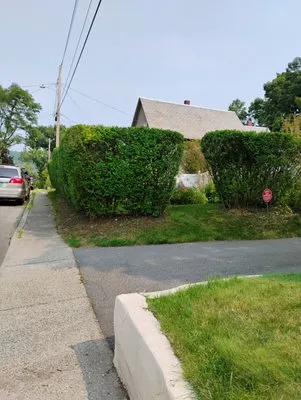
I see an invasive vine taking over my hedges. How do I handle it without harming my lawn?
Early identification is critical; common invasives here include Oriental Bittersweet and Japanese Knotweed. Manual removal before seed set is safest. For persistent perennials, a targeted, systemic herbicide applied in late summer to early fall directly to the foliage avoids soil contact and complies with the Vermont Phosphorus Fertilizer Law. This timing prevents runoff into saturated spring soils and protects the root zones of your desirable native plants.
Should I use local stone or pressure-treated wood for a new patio and retaining wall?
Local granite and fieldstone offer superior longevity and permeability compared to wood, which decays and requires chemical treatments. In Townshend's Moderate Fire Wise rating zone, stone provides critical non-combustible defensible space within 30 feet of structures. A dry-laid stone wall also facilitates drainage, addressing seasonal saturation, and integrates seamlessly with the native landscape, requiring virtually no maintenance over decades.
Is there a lower-maintenance alternative to my high-input lawn that still looks intentional?
Transitioning perimeter zones to a layered planting of Serviceberry, Bee Balm, and New England Aster drastically reduces mowing, fertilization, and watering needs. This xeriscape approach builds ecological resilience ahead of potential noise ordinance expansions on gas equipment. The native plant community supports local pollinators, requires no phosphorus fertilizer, and provides year-round structure, aligning with 2026 biodiversity and climate-adaptive landscaping standards.
How should I water a Kentucky Bluegrass lawn in Townshend when there are no official restrictions?
Despite abundant supply, conservation remains key for long-term turf health in Zone 5a. Manual drip irrigation or rain barrel systems target water directly to root zones, minimizing evaporation and fungal issues common in humid periods. Watering deeply and infrequently, ideally in early morning, encourages deeper roots that withstand seasonal dry spells and reduces dependency on municipal water, preserving the health of your fine fescue blend.
Why does the soil in my Townshend Village yard feel so compacted and thin?
Most Townshend Village properties are built on post-2001 fill soils, meaning your land has had only about 25 years to mature since construction. Acidic fine sandy loam, common here, compacts readily under machinery and foot traffic, limiting root depth and percolation. Annual core aeration in fall and top-dressing with composted leaf mold are critical to build organic matter, improve soil structure, and correct pH for your turf and native plantings.
What is your fastest emergency response for storm-damaged trees near the Townshend Common?
For urgent safety issues like storm damage, our electric fleet can mobilize from the Townshend Common area via VT-30, typically arriving within the 45-60 minute peak response window. This prioritizes quiet, ordinance-compliant equipment for initial assessment and hazard mitigation. We coordinate directly with the Townshend Zoning Administrator for any immediate permitting needs related to debris removal on public rights-of-way.
What permits and credentials should I verify before hiring for major regrading on my 1.5-acre lot?
Any significant earthmoving or alteration of drainage patterns on a 1.5-acre property requires review by the Townshend Zoning Administrator for compliance with local runoff and setback standards. The contractor must hold appropriate licensing through the Vermont Secretary of State Office of Professional Regulation. This ensures they carry the required insurance and possess the technical knowledge to execute the work without causing off-site erosion or violating state water quality regulations.
