Top Landscaping Services in Topsham, VT, 05076 | Compare & Call

There are 41 landscaping companies server in Topsham VT
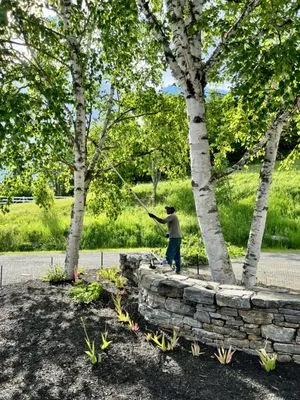
Regenerative Gardenworks
Regenerative Gardenworks is a Saint Johnsbury landscaping company founded in 2016 by Aubrey Case. After moving to Vermont from Colorado, Aubrey turned his passion for nature and gardening into a dream...

Founded in 2017 by local entrepreneur Matt, MB Excavate & Landscape brings over nine years of hands-on expertise to every project in East Barre and the surrounding Vermont communities. What started as...
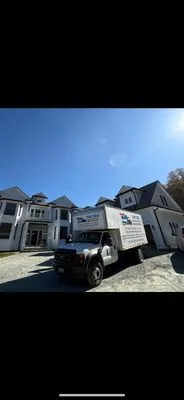
Top Tier Property Maintenance is your full-service solution for property upkeep, junk removal, and moving in Swanton, Vermont. We operate 24/7 across the entire state, ready to handle everything from ...
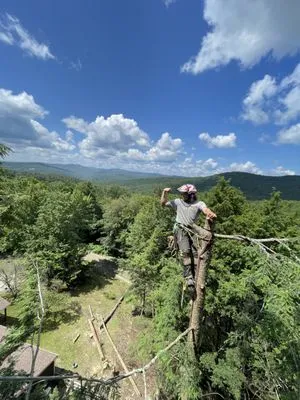
Wolfe Contracting is a Waterbury Center-based contractor specializing in tree services, landscaping, and excavation. We help homeowners and businesses in the local area with comprehensive solutions fo...
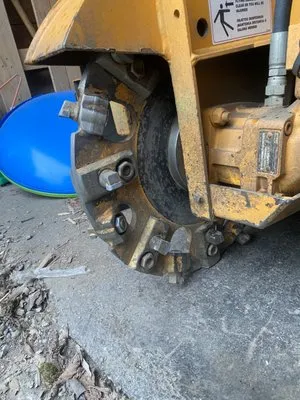
Grinding Gears is your trusted local tree and lawn care expert serving Fairfax, VT. We specialize in comprehensive lawn care, tree planting, pruning, removal, stump grinding, and transplanting service...
TruGreen Lawn Care in South Burlington, VT is a local landscaping provider dedicated to helping homeowners maintain healthy, beautiful outdoor spaces. We specialize in comprehensive lawn care, tree an...
No Worries Lawn and Plow is a licensed, insured, and family-operated lawn care service in Williston, Vermont. We combine professional expertise with a seamless, tech-enabled experience to ensure your ...
ELM Property Maintenance is your trusted local partner for home and property care in South Burlington, VT. As a full-service handyman, landscaping, and cleaning company, we provide comprehensive solut...
Govers Excavation is a Grand Isle, VT company built on a legacy of local hard work. Founded to revive a family name and its dedication to getting the job done right, we bring a personal commitment to ...
Summit Property Management
Summit Property Management is a trusted local provider in Colchester, VT, offering comprehensive property care, lawn services, and junk removal. We help homeowners, landlords, and businesses keep thei...
Estimated Landscaping Service Costs in Topsham, VT
Q&A
Why does my Topsham lawn struggle despite regular care?
Topsham Village properties built around 1974 have acidic fine sandy loam soil that has matured for 52 years, developing compaction layers from glacial till. This soil type naturally has pH 5.5-6.2 and poor permeability, limiting root penetration for Kentucky bluegrass. Core aeration every 2-3 years with compost amendments improves soil structure and microbial activity. Organic matter additions buffer the acidity while enhancing water retention during dry periods.
How quickly can you respond to storm damage for HOA compliance?
Emergency cleanup crews dispatch from Topsham Town Hall via VT-25, arriving within 45-60 minutes during peak conditions. This response time accommodates fallen branch removal and debris management for 2.5-acre properties. Our electric maintenance fleet operates quietly under general nuisance ordinances while addressing immediate safety hazards. Route optimization considers spring snowmelt saturation that can delay access to poorly drained areas.
What irrigation system works best with Vermont's water monitoring?
Drip irrigation for perennials combined with limited automated overhead use maintains turf health within municipal water limits. ET-based scheduling adjusts for Kentucky bluegrass and fine fescue blend needs during May-September growth periods. This approach reduces water consumption by 30-40% compared to traditional sprinkler systems while preventing spring snowmelt runoff issues. Regular monitoring via Vermont ANR ensures compliance despite no current restrictions.
Should we choose granite or wood for our new patio?
Local granite and bluestone flagstone offer superior longevity compared to wood, with 50+ year lifespans versus 10-15 years for pressure-treated timber. These materials create defensible space meeting moderate Firewise ratings for wildland-urban interface areas. Granite's thermal mass moderates microclimates while providing non-combustible surfaces during fire season. Proper installation with permeable bases addresses drainage concerns common in glacial till soils.
How do we address spring flooding in our yard?
High spring snowmelt saturation in acidic fine sandy loam requires French drains and dry creek beds with local granite aggregate. Permeable bluestone flagstone patios meet Topsham Zoning Administrator runoff standards by allowing 8-12 inches per hour infiltration. Grading adjustments should direct water away from foundations while incorporating rain gardens with New England aster and Joe Pye weed. These native plants tolerate wet conditions while improving soil structure over time.
What permits and licenses are needed for grading our property?
Grading work on 2.5-acre lots requires Topsham Zoning Administrator approval for erosion control and runoff management. Contractors must hold Vermont Secretary of State Office of Professional Regulation licensing for excavation exceeding 100 cubic yards. This ensures compliance with statewide phosphorus restrictions under Act 148 during soil disturbance. Professional licensing verifies competency in managing acidic fine sandy loam's unique drainage challenges while protecting adjacent properties.
Can we reduce mowing while maintaining property value?
Replacing high-maintenance turf with sugar maple, serviceberry, and wild bergamot creates biodiverse landscapes that require minimal maintenance. This transition ahead of potential gas-blower restrictions reduces noise pollution and fossil fuel consumption. Native plant communities support pollinators while adapting to USDA Zone 4b conditions without supplemental watering. Electric maintenance equipment operates effectively within general nuisance ordinances for ongoing care.
What invasive species threaten Topsham landscapes?
Japanese knotweed and garlic mustard present significant risks in acidic soils, outcompeting native species like New England aster. Treatment requires manual removal before seed set, avoiding chemical applications during Vermont Act 148 phosphorus restriction periods. Mycorrhizae inoculants help restored areas establish while complying with statewide fertilizer ordinances. Regular monitoring prevents reinfestation, particularly along VT-25 corridors where invasives often spread.
