Top Landscaping Services in Strafford, VT, 05072 | Compare & Call
There are 86 landscaping companies server in Strafford VT
Water Fountains of Vermont in Chelsea, VT, is your local expert in foundation repair and landscaping solutions. Many Chelsea-area homes face challenges with weed-infested mulch beds and persistent lan...
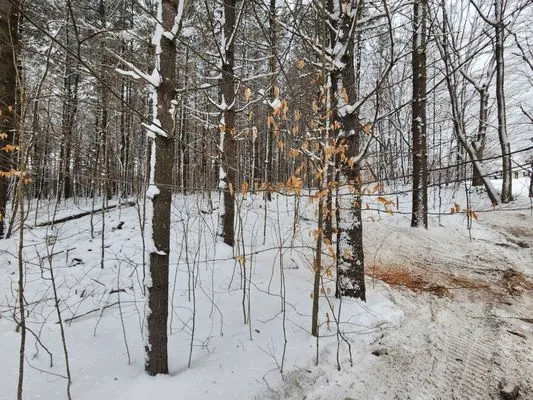
Longto Forestry Mulching is a Newbury, VT-based land management and restoration service specializing in transforming overgrown or challenging landscapes into healthy, usable spaces. Using forestry mul...
Ketchum Property Maintenance
Ketchum Property Maintenance is a trusted, locally-owned company serving Randolph, VT, and surrounding areas. We specialize in comprehensive property care, including professional lawn care, reliable s...
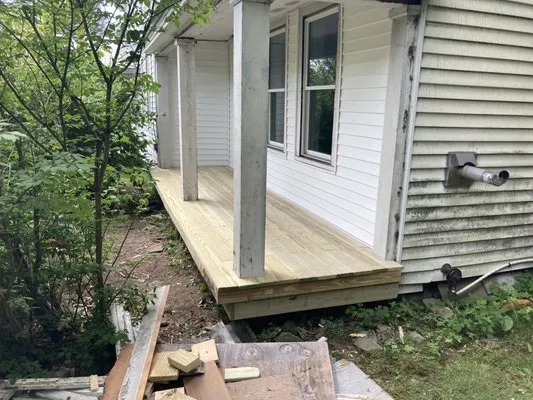
McNeil Carpenter and Landscaping Services is a Chelsea, VT-based company offering expert carpentry and landscape solutions tailored to the region's unique challenges. We specialize in addressing commo...
G's Lawn Care provides expert lawn care services for homeowners in Chelsea, VT, and the surrounding Orange County area. We understand the local challenges, like standing water and soil compaction, whi...
Cobblestone Landscape & Excavating
Cobblestone Landscape & Excavating is your trusted local partner for landscaping and masonry in East Thetford, VT. We understand the unique challenges of our Upper Valley environment, from managing st...
Estimated Landscaping Service Costs in Strafford, VT
Frequently Asked Questions
How do I control invasive plants like Japanese Knotweed without harsh chemicals?
Early identification and persistent mechanical removal are key for invasive species. For established patches, targeted, professional-grade herbicide applications may be necessary, but they must be timed outside of Vermont's statewide phosphorus application restrictions and blackout dates to protect water quality. A long-term strategy combines removal with dense planting of competitive natives like Eastern White Pine to prevent re-establishment.
What's the best way to water my lawn during dry spells without wasting water?
Despite no mandatory restrictions, voluntary conservation is prudent. Manual drip irrigation and rain barrel collection are highly effective for acidic fine sandy loam, which can have uneven moisture retention. This method delivers water directly to the root zone of Kentucky Bluegrass, minimizing evaporation and runoff. It allows for deep, infrequent watering that encourages drought-tolerant root systems, aligning with conservation goals.
What permits or licenses are needed to regrade part of my property?
Regrading a 2.5-acre lot often requires a permit from the Strafford Planning Commission, especially if it alters water flow or involves significant cut and fill. The contractor performing this work must hold appropriate licensing through the Vermont Office of Professional Regulation. This ensures the work complies with erosion control and stormwater regulations, protecting your property and downstream neighbors from unintended consequences.
My yard stays soggy and develops frost heaves. What can be done?
High seasonal saturation is a known issue with fine-textured soils in this area. Improving subsurface drainage through French drains or dry wells is often necessary. For hardscape areas, using permeable local granite or fieldstone set in gravel allows water to infiltrate, reducing surface runoff and meeting Strafford Planning Commission standards for stormwater management. Addressing drainage also mitigates the destructive cycle of frost heaving.
Should I use local stone or wood for a new patio or walkway?
Local granite and fieldstone offer superior longevity and permeability compared to wood, which decays and requires replacement. In Strafford's Moderate Wildland-Urban Interface fire risk rating, stone provides a non-combustible, defensible space material crucial for home ignition zones. Stone also integrates aesthetically with the regional landscape and requires minimal maintenance over its lifespan.
Is there a lower-maintenance alternative to my grassy lawn?
Transitioning high-maintenance turf to a xeriscape with regional natives like Serviceberry, New England Aster, and Joe Pye Weed reduces water, mowing, and chemical inputs. This approach creates a resilient, biodiverse landscape that supports local pollinators. It also future-proofs the property against evolving noise ordinances that may restrict gasoline-powered blowers and mowers, favoring quieter, electric maintenance.
Why does my lawn struggle to grow, even with fertilizer?
Strafford homes, built around 1971, have established soil profiles over 55 years. The prevalent acidic fine sandy loam tends to compact, forming a restrictive layer that limits root penetration and water percolation. This soil requires regular core aeration to relieve compaction and incorporate organic matter like composted leaf mold. Amending the soil adjusts the pH closer to neutral, improving nutrient availability for the common Kentucky Bluegrass and Fine Fescue mix.
How quickly can you respond to an emergency like a fallen tree?
An emergency cleanup crew is dispatched from the Strafford Town House area. The route utilizes VT-132 for primary access, with an estimated arrival time of 45 to 60 minutes during peak hours or severe weather events. This timeframe accounts for navigating local roads and securing necessary safety equipment. The crew coordinates directly with property owners upon dispatch to provide precise ETA updates.
