Top Landscaping Services in Salisbury, VT, 05769 | Compare & Call

There are 38 landscaping companies server in Salisbury VT
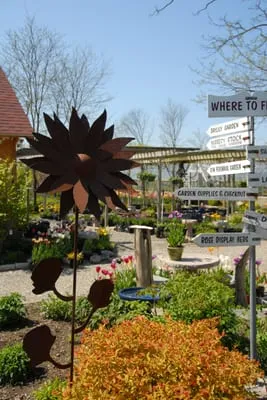
At Horsford Gardens & Nursery in Charlotte, Vermont, we believe a beautiful landscape begins with a strong local foundation. Our team draws on over a century of local growing experience to select and ...

Top Tier Property Maintenance is your full-service solution for property upkeep, junk removal, and moving in Swanton, Vermont. We operate 24/7 across the entire state, ready to handle everything from ...
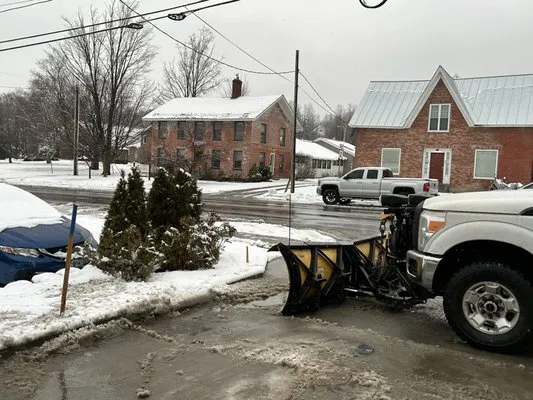
Guilmette Landworks is a Burlington-based, fully insured landscaping and excavation contractor serving Vermont and New England since 2014. We specialize in transforming outdoor spaces through comprehe...
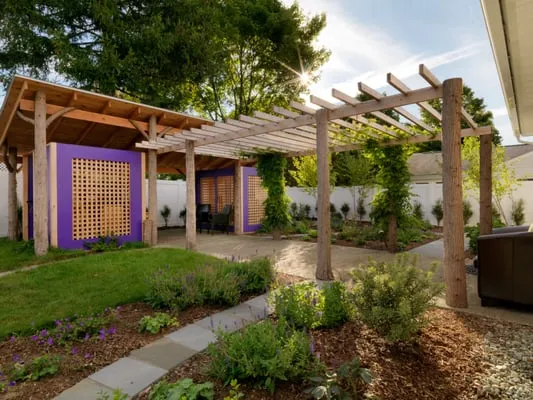
Distinctive Landscaping
Distinctive Landscaping, founded in Charlotte in 1979 by landscape architect Charlie Proutt, brings a Vermont-native's understanding of local ecology to every project. Charlie's hands-on, design-build...
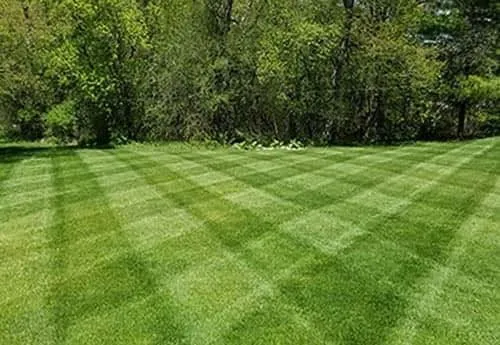
Lathrop Property Management
Lathrop Property Management serves the Starksboro, VT community by combining expert property oversight with comprehensive landscaping and tree services. We understand the common local challenges of po...

TruGreen Lawn Care in South Burlington, VT is a local landscaping provider dedicated to helping homeowners maintain healthy, beautiful outdoor spaces. We specialize in comprehensive lawn care, tree an...
Meticulous Landscaping is a trusted, full-service provider serving the Colchester, VT community. We specialize in comprehensive lawn care and efficient junk removal, offering property cleanouts, junk ...
ELM Property Maintenance is your trusted local partner for home and property care in South Burlington, VT. As a full-service handyman, landscaping, and cleaning company, we provide comprehensive solut...
Creekview Landscaping And Mowing is a full-service landscape and tree care provider serving Ferrisburgh and surrounding communities. We specialize in transforming and maintaining outdoor spaces with a...
VT Property Maintenance is a full-service landscaping, excavation, and general contracting company serving homeowners in Georgia, Vermont. We specialize in solving common local property challenges, in...
Estimated Landscaping Service Costs in Salisbury, VT
FAQs
Is granite cobblestone a better choice than wood for a new patio?
For longevity and low maintenance, granite cobblestone is superior to wood, which decays and requires treatment. Granite is inert, durable against freeze-thaw cycles, and when installed with permeable joints, it aids groundwater recharge. In Salisbury's Moderate Wildland-Urban Interface rating, using non-combustible materials like stone also contributes to creating defensible space, a key Firewise principle.
Our yard is soggy in spring and heaves in winter. What's the cause and fix?
This is a classic symptom of Salisbury's seasonal high water table combined with frost heave in acidic Spodosols, which have poor internal drainage. Solutions involve regrading to create positive surface flow and installing French drains. For hardscapes, using permeable materials like crushed stone or spaced granite cobblestone can manage runoff, often meeting Salisbury Zoning Administrator requirements for on-site water infiltration.
How do we keep our lawn green in summer without wasting water?
Despite voluntary conservation status, efficient water use is critical. We install smart soil moisture sensor (SMS) systems that schedule irrigation based on real-time evapotranspiration (ET) and soil percolation data. This technology directly monitors root zone moisture, preventing overwatering and ensuring your Kentucky Bluegrass and Fine Fescue mix receives precisely what it needs, aligning with municipal water stewardship goals.
Our lawn in Salisbury Village has never been great. Is it the age of the property?
Properties built around 1974, like many in this neighborhood, have soils with over 50 years of maturation. Salisbury's naturally acidic Spodosol (pH 5.5-6.2) tends to become compacted and nutrient-deficient over decades under standard turf. This legacy soil profile requires corrective core aeration and regular organic amendments, such as compost, to improve soil structure and biological activity for healthy plant growth.
We're tired of weekly mowing. What's a lower-maintenance, eco-friendly alternative?
Transitioning high-input turf areas to a landscape of Vermont natives like Serviceberry, New England Aster, and Joe-Pye Weed significantly reduces mowing, watering, and chemical needs. This xeriscaping approach builds drought resilience and supports local pollinators. It also future-proofs your property against evolving noise ordinances that may restrict gasoline-powered equipment, favoring quieter, electric maintenance.
What do we need to know about permits and licenses for a major landscaping project?
Any significant grading, drainage work, or structural installation on a 2.5-acre lot typically requires a permit from the Salisbury Zoning Administrator. Furthermore, contractors performing this work must be licensed through the Vermont Secretary of State Office of Professional Regulation. This ensures they carry proper insurance and adhere to state regulations regarding erosion control and environmental protection, which is crucial for properties near sensitive areas.
If a storm downs a tree, how quickly can a crew get here for an emergency cleanup?
For urgent situations like storm debris blocking access or posing a hazard, we dispatch crews from our central staging near Lake Dunmore. The primary route is north on VT-7 into Salisbury Village. Under typical conditions, arrival is within 45 to 60 minutes, though peak storm response times may vary based on road closures and the volume of calls across Addison County.
What invasive plants should I watch for, and how do I control them responsibly?
Common invasive alerts in this area include Japanese Knotweed and Buckthorn. Manual removal or targeted, approved herbicide applications during specific growth stages are effective. All treatments must comply with Vermont's statewide Phosphorus Ban, which prohibits phosphorus-containing fertilizers on established lawns. We develop management plans that prioritize soil health and prevent runoff into Lake Dunmore's watershed.
