Top Landscaping Services in Saint Johnsbury, VT, 05819 | Compare & Call

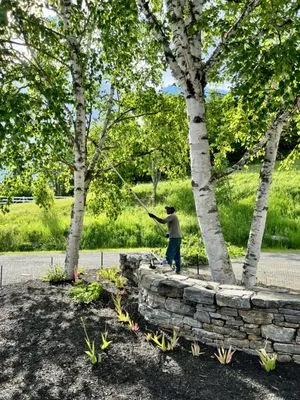
Regenerative Gardenworks
Regenerative Gardenworks is a Saint Johnsbury landscaping company founded in 2016 by Aubrey Case. After moving to Vermont from Colorado, Aubrey turned his passion for nature and gardening into a dream...

Little Acres is your trusted local landscaping partner in Saint Johnsbury, VT, dedicated to maintaining and enhancing the beauty and health of your outdoor spaces. We understand the common frustration...
Broome Power Equipment is your trusted local resource in Saint Johnsbury, VT, for tackling common landscaping challenges like weed infestation and poor lawn grading. As a family-owned power equipment ...

Snow & Mow Services in Saint Johnsbury, VT, is your trusted, year-round partner for maintaining a healthy, resilient property. We understand the common local challenges of tree root lawn damage and ba...
Frequently Asked Questions
Our house is from the 1940s. Does the age of the property affect the soil and lawn health?
Properties built around 1939, like many in the Main Street District, have had nearly 90 years of soil maturation. The naturally acidic Spodosol (pH 5.5-6.2) often becomes compacted over decades, restricting root growth and water percolation. Core aeration in early fall and amendments of composted leaf mold are critical to improve soil structure and microbial activity. This addresses the legacy compaction without drastically altering the pH that native Sugar Maples and other acid-tolerant plants prefer.
We want to reduce mowing and gas equipment noise. What are the best low-maintenance alternatives?
Transitioning high-maintenance turf to a climate-adaptive xeriscape with regionally native plants is the most effective strategy. A layered planting of Serviceberry, New England Aster, Joe-Pye Weed, and Blue Lobelia provides year-round interest, supports 2026 biodiversity standards, and requires no weekly mowing. This shift future-proofs your landscape against evolving noise ordinances targeting gas-powered blowers and mowers, moving maintenance to quiet, electric hand tools.
What invasive species should we watch for, and how do we control them safely?
Key invasive alerts for Caledonia County include Japanese Knotweed, Glossy Buckthorn, and Garlic Mustard. Manual removal and careful application of glyphosate to cut stems in late fall are effective, minimizing drift. Crucially, any treatment must comply with Vermont's statewide phosphorus ban on turf fertilizers; these herbicides are not fertilizers but still require careful application timing outside of sensitive plant growth periods to protect local waterways.
Do we need a permit to regrade our backyard or install a large patio?
Yes. Significant earth moving or impervious surface installation on a 0.25-acre lot typically requires review by the St. Johnsbury Planning & Zoning Department for compliance with stormwater rules. Furthermore, contracting for this work requires a licensed professional. The Vermont Office of Professional Regulation licenses landscape architects and contractors; verifying this license ensures the entity is bonded and understands the specific engineering and environmental regulations for our region.
We're adding a patio. Is local stone better than composite or pressure-treated wood?
For longevity and ecological fit, local Granite or Bluestone is superior. These materials have a permanent lifespan, require no chemical treatments, and their thermal mass moderates soil temperature. In the context of Vermont's Moderate Fire Wise rating, stone provides critical defensible space as a non-combustible barrier near structures. Unlike wood, it won't rot, heave excessively with frost due to proper base installation, or leach preservatives into the acidic soil.
Is automatic sprinkler watering allowed, and how can we keep our lawn healthy during dry spells?
While Saint Johnsbury currently has no municipal water restrictions, monitoring VT DEC status is advised. We install drip irrigation zones with soil moisture sensor bypasses to prevent overwatering. This technology applies water directly to root zones of Kentucky Bluegrass and Fine Fescue mixes, reducing evaporation loss by up to 60% compared to spray heads. It maintains turf health within sustainable water limits, activating only when soil moisture drops below a pre-set threshold.
Our yard is soggy in spring and heaves in winter. What's the cause and a long-term fix?
This is a classic symptom of the seasonal high water table and frost heave susceptibility in our acidic Spodosols. These soils have poor internal drainage. A permanent solution involves regrading to create positive slope and installing a French drain system tied to a dry well. Using local Granite or permeable Bluestone pavers for patios and paths increases surface permeability, which helps meet St. Johnsbury Planning & Zoning Department standards for managing stormwater runoff on-site.
How quickly can you respond to an emergency like a storm-downed tree blocking a driveway?
For urgent HOA compliance or safety issues, our electric fleet can dispatch from near the St. Johnsbury Athenaeum. Using I-91, we target a 20-30 minute arrival to most addresses in the primary service area during peak response windows. This rapid dispatch is prioritized for securing properties and clearing hazards, with follow-up debris management scheduled according to the standard municipal quiet hours (7 AM - 9 PM).
