Top Landscaping Services in Richford, VT, 05476 | Compare & Call
There are 33 landscaping companies server in Richford VT
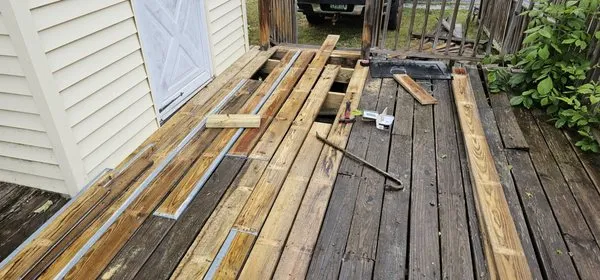
Dale and Sons LLC is an owner-operated handyman, lawn services, and painting business serving Swanton, VT, and surrounding northern Vermont communities. Founded on the dream of operating a service bus...
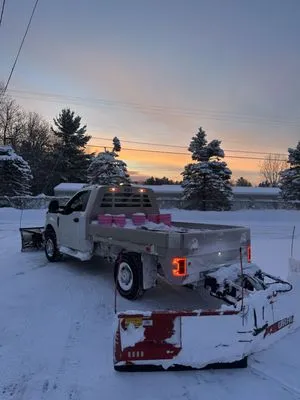
At Cedar’s Land & Stone in Milton, VT, owner-operator Kyle combines over a decade of industry expertise with a genuine passion for the craft. As a small, locally owned business, we focus on delivering...

Meticulous Landscaping is a trusted, full-service provider serving the Colchester, VT community. We specialize in comprehensive lawn care and efficient junk removal, offering property cleanouts, junk ...
Fourniers Landscaping is a dedicated, locally-owned landscaping service serving Richford and the surrounding Vermont communities. We specialize in comprehensive shrub care and lawn health, offering se...
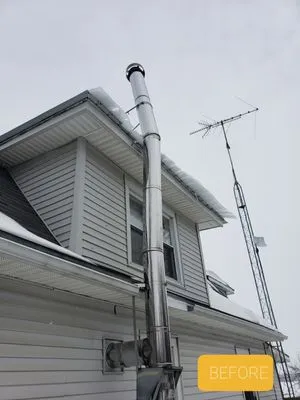
Northern Lights Masonry & Brickwork
Northern Lights Masonry & Brickwork is a locally owned and operated business deeply rooted in Alburgh and the surrounding islands. We understand the unique character and challenges of homes in this be...
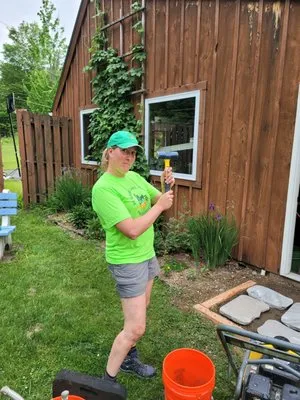
No Worries Lawn and Plow is a licensed, insured, and family-operated lawn care service in Williston, Vermont. We combine professional expertise with a seamless, tech-enabled experience to ensure your ...
ELM Property Maintenance is your trusted local partner for home and property care in South Burlington, VT. As a full-service handyman, landscaping, and cleaning company, we provide comprehensive solut...
Summit Property Management
Summit Property Management is a trusted local provider in Colchester, VT, offering comprehensive property care, lawn services, and junk removal. We help homeowners, landlords, and businesses keep thei...

Bevins Property Maintenance provides comprehensive lawn care, snow removal, and general landscaping services to keep properties in Saint Albans, Franklin County, and Grand Isle County looking their be...

24K Junk Removal is a locally owned and operated business serving Franklin, Vermont, and surrounding communities since 2022. We provide a comprehensive range of services to help with junk removal, mov...
Estimated Landscaping Service Costs in Richford, VT
FAQs
Our yard floods every spring. What solutions work with the local soil and regulations?
Spring snowmelt saturation is common in Richford's poorly drained glacial till. Solutions begin with regrading to create positive drainage away from foundations. Installing French drains or dry creek beds using local granite cobble and fieldstone adds permeability. These hardscape choices often meet the Richford Zoning Administrator's runoff standards by managing water on-site, preventing erosion and basement moisture issues.
Do we need a permit to regrade our yard or build a retaining wall?
Yes, significant grading or structural work on a 0.35-acre lot typically requires a permit from the Richford Zoning Administrator. Vermont law mandates that such work be performed or supervised by a landscape professional licensed by the Vermont Office of Professional Regulation. This ensures compliance with erosion control, stormwater management, and property line regulations, protecting your investment and neighboring parcels.
We want to reduce mowing and maintenance. What are some climate-resilient alternatives?
Transitioning high-input turf to a xeriscape with Vermont natives like Serviceberry, New England Aster, and Wild Bergamot significantly cuts water, mowing, and chemical needs. This biodiversity-rich planting is adapted to Zone 4b and acidic soils, requiring minimal care. It also future-proofs your property against evolving noise ordinances targeting gas-powered equipment, creating a quieter, ecologically sound landscape.
We have a downed tree after a storm. What is your emergency response protocol?
Our dispatch prioritizes storm response within 20-30 minutes. From the Richford Town Hall, our electric fleet travels via VT-105, adhering to the 7:00 AM - 9:00 PM noise ordinance for daytime operation. We carry equipment for immediate hazard mitigation, debris removal, and site stabilization to ensure safety and HOA compliance without delay.
What is the best way to water our lawn efficiently given the local climate?
Despite abundant seasonal water, efficient irrigation is key for soil health. Manual moisture-sensing probes or basic timers set for deep, infrequent watering are ideal. This practice encourages deeper root systems for your Kentucky Bluegrass and Fine Fescue mix, reducing overall water use. Watering in the early morning minimizes evaporation and aligns with best practices for municipal supply conservation, even without formal restrictions.
Our property feels soggy and the grass is thin. Could the age of our home be affecting the soil?
Yes, soil health is directly tied to property age. With Richford Village homes averaging from 1938, your soil is nearly 90 years old. This fine sandy loam, naturally acidic at pH 5.8-6.2, has been compacted by decades of use, reducing permeability. Annual core aeration and amending with compost are critical to rebuild structure and organic matter, countering the dense glacial till that inhibits root growth and water movement.
Is granite or wood better for a long-lasting patio in our area?
Local granite cobble and fieldstone are superior for longevity and low maintenance in Zone 4b. They withstand freeze-thaw cycles without rotting or warping. Using stone also supports your property's Moderate Fire Wise (WUI Zone 2) rating by creating a non-combustible defensible space, a critical consideration for wildfire risk mitigation that wooden structures cannot provide.
We see invasive plants like Buckthorn and Japanese Knotweed. How can we manage them safely?
Invasive species outcompete natives and degrade soil health. For Buckthorn or Knotweed, mechanical removal followed by targeted, EPA-registered herbicide application in late summer is often necessary. All treatments must comply with Vermont's statewide Phosphorus Ban, which prohibits phosphorus-containing fertilizers except for new lawn establishment. Proper timing avoids runoff into local waterways and protects the existing soil microbiome.
