Top Landscaping Services in Pawlet, VT, 05761 | Compare & Call

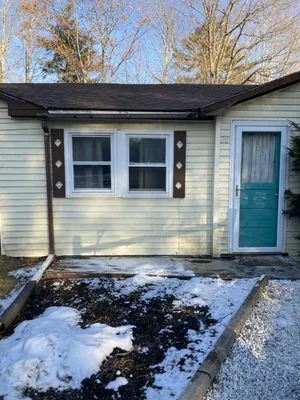
Sumner’s Property Maintenance provides reliable lawn care and tree services for Pawlet, VT. We understand that every property and homeowner has unique needs. Our approach starts with a conversation to...
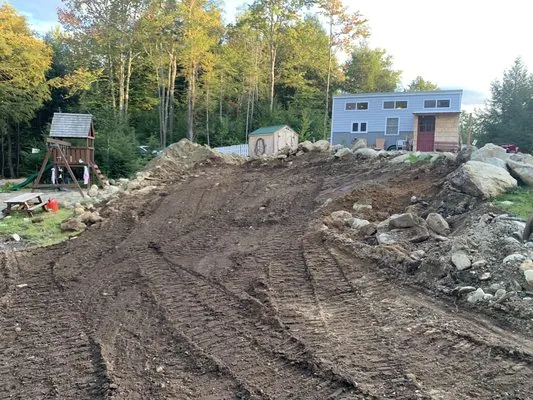
Sabo’s Handyman Lawncare is your trusted, full-service provider in Pawlet, VT, offering reliable handyman cleaning, comprehensive lawn care, and dependable snow removal year-round. As a local expert, ...

Touch of Grass Lawn Care is a dedicated local lawn service provider serving Pawlet, VT, and the surrounding communities. We specialize in diagnosing and treating the common local issues of patchy gras...
FAQs
We see invasive species like Japanese Knotweed spreading. How do we treat them safely and legally?
Japanese Knotweed and other invasives threaten Pawlet's ecological integrity. Treatment must be precise to avoid harming native plants and comply with Vermont's statewide phosphorus ban for non-agricultural lawns. We use targeted, systemic herbicide applications during the plant's active growth phase, strictly following label rates and avoiding blackout dates for sensitive areas. For organic management, repeated cutting and smothering are employed, though they require multi-year commitment.
Is a bluestone patio better than a wood deck for our home, considering longevity and fire safety?
For longevity and fire-wise defensible space, local slate and bluestone are superior to wood. Stone is non-combustible, requires no sealing or staining, and has a lifespan measured in decades versus years. In Pawlet's Moderate Wildland-Urban Interface rating, creating a defensible perimeter with inorganic hardscape materials is a prudent mitigation strategy. Stone also better handles the freeze-thaw cycles and acidic soil conditions without deteriorating.
Our house was built in the 1960s, and the soil seems tired and compacted. Is this a common problem in Pawlet Village Center?
Yes, properties from the 1960s, like many in Pawlet Village Center, have soils with nearly 60 years of maturation. The native acidic loam was often compacted by construction and glacial till layers, reducing permeability and organic matter. This leads to high seasonal saturation and poor root penetration for turf. Core aeration and incorporating composted organic matter are critical first steps to rebuild soil structure and biological activity.
How can we keep our Kentucky Bluegrass and Fine Fescue lawn healthy during dry spells without violating water restrictions?
Voluntary conservation in Pawlet requires precision. We install drip irrigation zones paired with soil moisture sensors to apply water only when and where the root zone needs it, based on evapotranspiration (ET) data. This system drastically reduces municipal water use while preserving turf health. Deep, infrequent watering cycles encourage deeper root growth, making the lawn more resilient to drought stress.
We have a sudden tree limb down and need an emergency cleanup to meet HOA compliance. How quickly can a crew arrive?
Our dispatch coordinates from the Pawlet Public Library, accessing VT-30 for primary routing. During a peak storm response, our electric fleet can navigate to Pawlet Village Center within the 45-60 minute window, adhering to the 10 PM to 7 AM quiet hours. We prioritize securing the site and clearing access paths, with detailed debris removal scheduled for the following business day.
We want to reduce mowing and gas-powered noise. What are good native alternatives to a traditional lawn?
Transitioning high-maintenance turf to a native plant community is a forward-looking strategy. For Pawlet's Zone 5a, a matrix of Wild Bergamot, Joe-Pye Weed, and New England Aster provides season-long bloom, supports biodiversity, and requires no mowing. This landscape eliminates gas-blower use, aligning with evolving noise ordinances, and establishes a resilient, low-input ecosystem that is fire-wise and adapted to local conditions.
We want to regrade part of our 1.2-acre lot. What permits and contractor qualifications are required?
Grading on a 1.2-acre lot in Pawlet often requires a permit from the Pawlet Zoning Administrator, especially if it alters water flow or involves significant cut and fill. The contractor must be licensed through the Vermont Secretary of State Office of Professional Regulation. This ensures they carry proper insurance and adhere to state erosion control and sedimentation standards, which are critical given the site's drainage hazards and proximity to waterways.
Our yard turns into a soggy mess every spring. What's the best way to fix drainage in Pawlet's heavy, wet soil?
Glacial till compaction beneath Pawlet's acidic loam creates a high seasonal saturation hazard. The solution involves improving subsoil percolation. We install French drains or dry wells in problem areas and use permeable base materials under any new hardscape. Local slate and bluestone set on a permeable gravel bed can meet Pawlet Zoning Administrator runoff standards by allowing water to infiltrate rather than sheet flow.
