Top Landscaping Services in Newbury, VT, 05051 | Compare & Call

Principal Property Maintenance, based in Newbury, Vermont, is a locally owned and operated property care service with over 12 years of hands-on experience in landscaping and weatherization. We provide...

Peach Brook Property Maintenance is a trusted local provider serving Newbury, VT, specializing in lawn care and pressure washing services. We understand the unique challenges homeowners face in our ar...
Upper Valley Landscaping is a trusted local landscaping company serving Newbury, VT, and the surrounding Upper Valley region. We specialize in addressing common landscaping challenges faced by homeown...
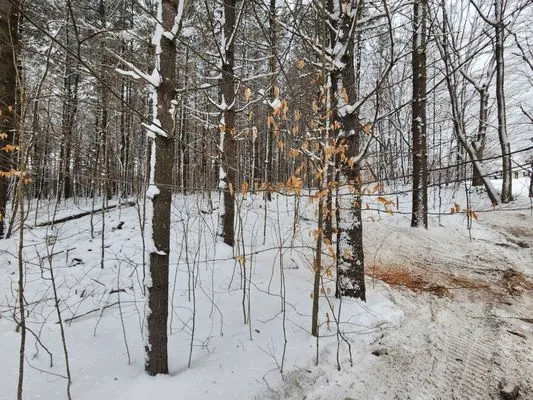
Longto Forestry Mulching is a Newbury, VT-based land management and restoration service specializing in transforming overgrown or challenging landscapes into healthy, usable spaces. Using forestry mul...
Q&A
Why does my Newbury Village lawn struggle with compaction and poor drainage?
Newbury homes average 88 years of age, creating mature acidic fine sandy loam soils that have experienced decades of foot traffic and equipment weight. This soil type naturally compacts over time, reducing permeability and oxygen availability to root zones. Core aeration every 2-3 years is essential to improve water infiltration and soil structure. Adding organic amendments like composted leaf mold addresses the acidic pH while building soil organic matter for long-term health.
What invasive species threaten Newbury landscapes and how do I manage them safely?
Japanese knotweed and garlic mustard present significant threats in Vermont, outcompeting natives and degrading soil health. Manual removal before seed set is most effective, followed by targeted foliar applications during active growth phases. These treatments avoid Vermont's phosphorus fertilizer ban blackout periods while preventing chemical runoff. Regular monitoring catches new infestations early, particularly along property edges and disturbed soils where invasives typically establish first.
Why choose local stone over wood for patios and walkways?
Local granite and bluestone offer superior longevity with 50+ year lifespans versus 15-25 years for pressure-treated wood. These materials provide non-combustible surfaces that enhance defensible space in Moderate Fire Wise rated areas. Properly installed stone hardscapes require minimal maintenance while withstanding Vermont's freeze-thaw cycles without warping or rotting. The thermal mass of stone moderates microclimate temperatures, reducing heat island effects compared to synthetic alternatives.
How can I reduce maintenance while supporting local ecology?
Transitioning high-maintenance turf areas to native plantings creates resilient landscapes that require minimal intervention. Sugar Maple, Serviceberry, New England Aster, and Bee Balm establish deep root systems that improve soil structure and drought tolerance. These natives support pollinators while eliminating weekly mowing and gas-powered equipment use ahead of tightening noise ordinances. Strategic placement creates natural firebreaks that enhance your property's Moderate Wildland-Urban Interface rating through defensible space principles.
How do I maintain my lawn during dry periods without violating water restrictions?
Newbury's voluntary water conservation allows strategic irrigation when combined with efficient technology. Drip irrigation systems deliver water directly to root zones with 90% efficiency compared to 65% for traditional sprinklers. Rain barrel collection supplements municipal water use during peak demand periods. For Kentucky Bluegrass and Fine Fescue mixes, we recommend ET-based scheduling that applies 1-1.5 inches weekly during active growth periods, preserving turf health while minimizing water consumption.
What solutions prevent frost heave and seasonal flooding in my yard?
Acidic fine sandy loam soils in USDA Zone 4b experience significant frost heave due to seasonal high water tables. Installing French drains with proper slope directs subsurface water away from foundations. Permeable local granite or bluestone patios allow 40-60% water infiltration versus impervious surfaces, meeting Newbury Town Zoning Administrator runoff standards. Dry creek beds with native stone provide both drainage function and aesthetic appeal while preventing soil erosion during spring thaw periods.
How quickly can you respond to storm damage for HOA compliance?
Our electric maintenance fleet can dispatch from Newbury Common within 30 minutes, traveling via US Route 5 to reach most Newbury Village properties in 45-60 minutes. This rapid response meets typical HOA cleanup deadlines while complying with noise ordinances through quiet electric equipment operation. We prioritize safety assessments before debris removal, ensuring proper handling of damaged trees and hardscape elements according to Vermont storm response protocols.
What permits and licenses are required for grading my half-acre property?
Grading projects exceeding 100 cubic yards of earth movement require a permit from the Newbury Town Zoning Administrator to ensure proper erosion control and drainage compliance. Contractors must hold current licensing through the Vermont Secretary of State Office of Professional Regulation, which verifies insurance coverage and technical competency. On 0.50-acre lots, even moderate grading can significantly alter water flow patterns, necessitating professional design that addresses both surface and subsurface drainage across property boundaries.
