Top Landscaping Services in Milton, VT, 05468 | Compare & Call

Catellascope Property Maintenance, based in Milton, VT, is a full-service landscaping company dedicated to enhancing and maintaining your property's outdoor spaces. We provide a comprehensive range of...
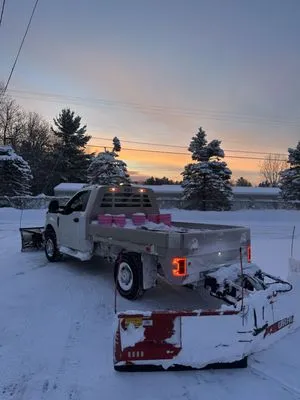
At Cedar’s Land & Stone in Milton, VT, owner-operator Kyle combines over a decade of industry expertise with a genuine passion for the craft. As a small, locally owned business, we focus on delivering...
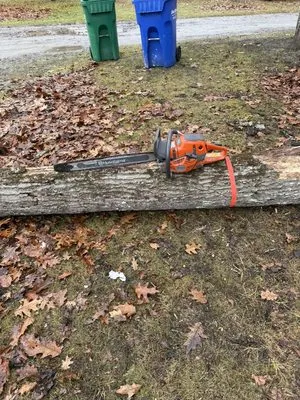
James Landscaping and Tree Service is a trusted Milton, VT provider offering comprehensive landscaping and tree care solutions. We specialize in landscape maintenance, lawn care, shrub planting/prunin...
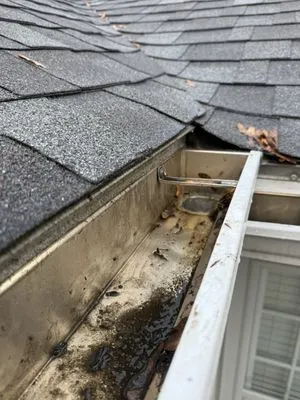
Champlain Landscaping is your local, reliable partner for maintaining a healthy and attractive property in Milton and throughout Chittenden County. As a locally owned company, we understand the specif...
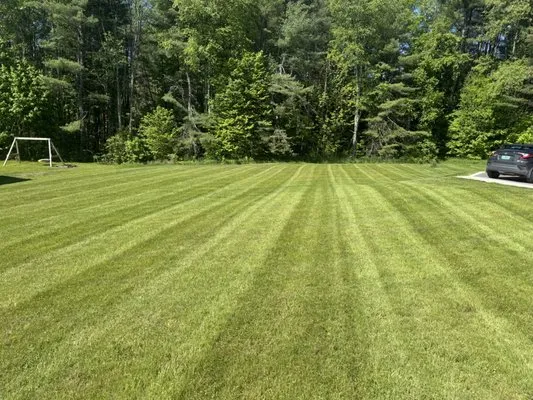
Blondin Property Maintenance is your reliable, year-round partner for keeping your Milton property in top shape. We specialize in seasonal essentials like lawn care and snow removal, but our focus goe...

Chauntels Custom Landscaping is a locally owned and operated Milton, VT business dedicated to creating and maintaining beautiful, healthy outdoor spaces. We understand the specific challenges faced by...

Heartwood Landscape Designing & Maintenance is a Milton-based landscaping company dedicated to enhancing and preserving the beauty of local properties. We specialize in addressing common landscaping c...
802 Landscaping and Property Solutions is your trusted, local property care expert in Milton, Vermont. We specialize in comprehensive landscaping, reliable snow removal, and professional tree services...
M&H Landscape is a Milton, VT-based landscaping company dedicated to enhancing local properties with comprehensive outdoor solutions. We specialize in addressing common local issues like patchy lawn g...
JTG Landscapes is a trusted local landscaping business serving Milton, VT, with a focus on personalized, professional care for both residential and commercial properties. As a small, community-oriente...
FAQs
Is a Vermont Bluestone patio better than a wood deck for our property?
For longevity and minimal maintenance, Vermont Bluestone is superior. It provides a permanent, non-combustible surface that aligns with Fire Wise principles for creating defensible space in Milton's low-risk Wildland-Urban Interface. Unlike wood, it requires no sealing or staining, resists frost heave when installed properly on a gravel base, and offers timeless aesthetic integration with the local landscape, outlasting any composite or timber alternative.
What permits and licenses are needed to regrade our half-acre lot?
Regrading that alters water flow or involves significant cut/fill typically requires a permit from the Milton Planning and Zoning Department to ensure compliance with erosion control and stormwater rules. The contractor must hold appropriate licensing through the Vermont Office of Professional Regulation. For a 0.50-acre lot, this scale of work legally constitutes 'landscape contracting,' which requires a licensed professional to perform the engineering and execution to protect your property and neighbors.
We're tired of weekly mowing. Are there lower-maintenance options that still look good?
Transitioning perimeter zones to a matrix of native plants like Serviceberry, Little Bluestem, and New England Aster drastically reduces mowing and watering needs. This xeriscape approach builds biodiversity, supports pollinators, and eliminates the need for gas-powered blowers, aligning with evolving noise ordinances. It creates a dynamic, climate-adaptive landscape that requires only seasonal cutting back, moving you beyond the high-input turf cycle.
How can we keep our Kentucky Bluegrass healthy without wasting water?
Smart Wi-Fi soil-moisture sensors are critical for managing Vermont's encouraged conservation ethos. These systems apply water based on actual evapotranspiration (ET) and root-zone moisture, not a fixed schedule. This technology prevents overwatering the sandy loam, which percolates quickly, and protects against frost heave by avoiding saturated soils in fall. It delivers precise hydration to maintain turf health while staying well within any future municipal water limits.
Our Milton Village lawn has never been great. Could the age of our house be part of the problem?
Properties built around the town's 1987 average often have immature, compacted subsoil from construction, creating a 39-year-old profile. In Milton's acidic sandy loam, this compaction reduces permeability, limiting root access to water and nutrients. The result is shallow-rooted, stressed turf. A core aeration program, followed by amending with compost, is essential to build soil structure, moderate pH, and support deeper root systems for long-term resilience.
We need an emergency tree cleanup after a storm. What's your guaranteed response time?
Our emergency dispatch from the Milton Town Common prioritizes I-89 access to Milton Village, targeting a 20-30 minute arrival during peak storm events. We maintain an electric-powered fleet to comply with the town's noise ordinance, allowing us to operate within the 7:00 AM to 9:00 PM window without delay. This logistics plan ensures we can secure hazardous limbs and clear driveways swiftly for HOA or insurance compliance.
Our yard is soggy in spring and suffers frost heave. What's a permanent solution?
A high seasonal water table combined with compacted sandy loam creates chronic surface water. The solution integrates subsurface French drains with surface grading toward a dry well or rain garden. For hardscapes, specify permeable concrete or Vermont Bluestone set on an open-graded base; these systems meet Milton Planning and Zoning Department runoff standards by allowing infiltration on-site, directly mitigating the saturation that leads to frost heave.
We see Japanese Knotweed and Buckthorn invading. How do we handle it safely?
These invasive species require a targeted, multi-year management plan. For woody invaders like Buckthorn, cut-stump treatment with a glyphosate formulation in late fall is effective. For herbaceous types like Knotweed, repeated foliar application at peak bloom is necessary. All treatments must avoid broadcast methods to protect waterways and comply with Vermont's Phosphorus Fertilizer Law, which restricts general phosphorus use unless a soil test confirms deficiency.
