Top Landscaping Services in Lincoln, VT, 05443 | Compare & Call

There are 146 landscaping companies server in Lincoln VT
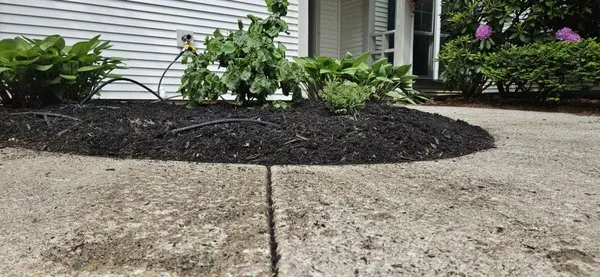
Wolfe Landscaping is your reliable, locally-owned landscaping partner in Burlington, VT. We provide professional lawn care, including mowing, trimming, and seasonal cleanups, along with comprehensive ...
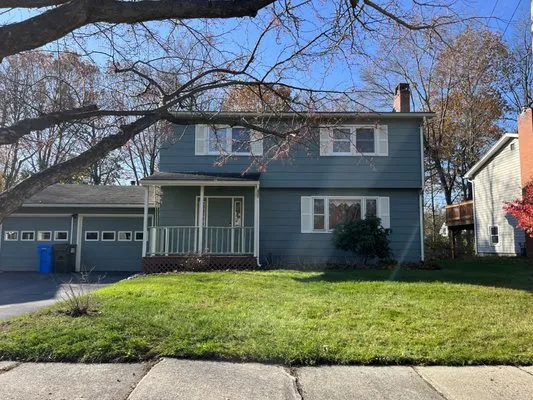
M & T Properties LLC is a locally-owned Burlington landscaping and property care company dedicated to meticulous, reliable service. We understand that your outdoor space is an extension of your home, ...
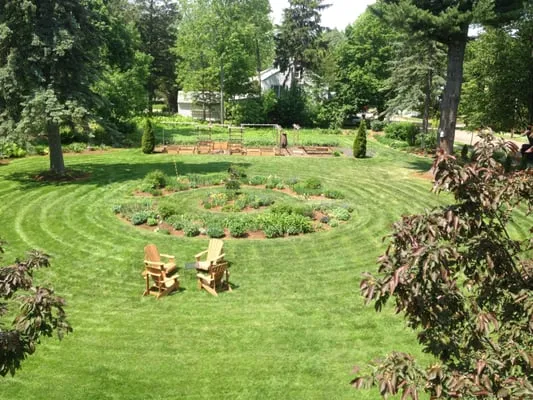
Scott Butts, owner of The Green Side, brings a unique blend of business acumen and environmental stewardship to South Burlington. A Pennsylvania native, Scott moved to Burlington in 2004 and was capti...
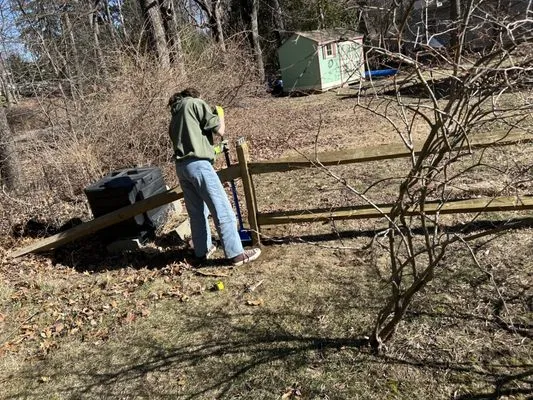
The Vermont Handy Helpers is a Burlington-based home services provider dedicated to giving residents the time and support they need to focus on what matters most. Our team of young adults brings true ...
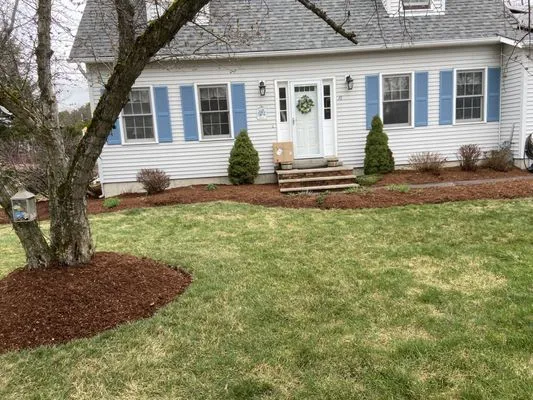
Lavalley Landscaping is a locally owned and operated business serving Colchester, VT, with over 15 years of hands-on experience. As a sole proprietor, I bring a personal touch to every project, driven...
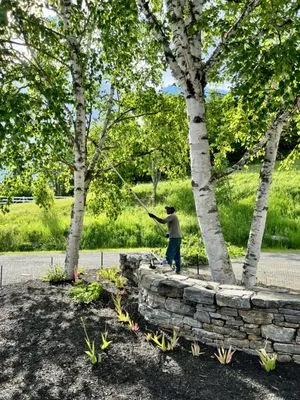
Regenerative Gardenworks
Regenerative Gardenworks is a Saint Johnsbury landscaping company founded in 2016 by Aubrey Case. After moving to Vermont from Colorado, Aubrey turned his passion for nature and gardening into a dream...
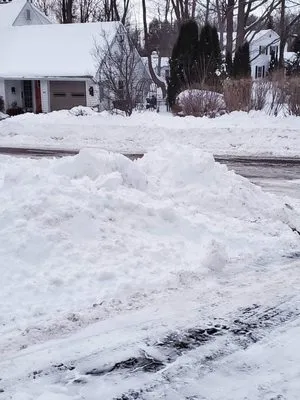
Minor's Property Maintenance LLC is a Williston-based company dedicated to enhancing and maintaining residential and commercial properties through reliable, detailed services. We specialize in landsca...

A Woman's Touch is a female-owned local business in Colchester, VT, established in 2009 and refined through years of dedicated service. We specialize in landscaping, home cleaning, and painting, offer...
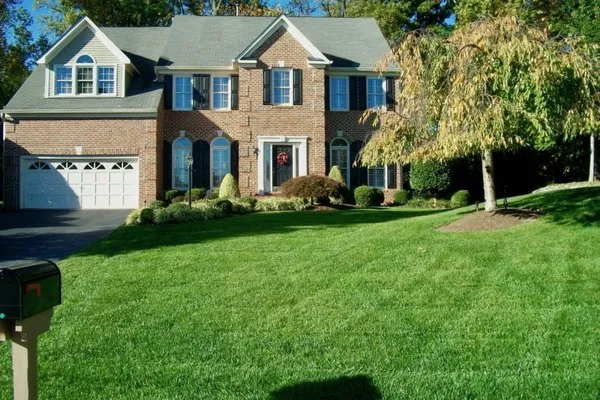
At VT Basic Mowing in South Burlington, we provide straightforward, reliable lawn mowing services to keep your yard looking its best. Our core service includes regular mowing to your preferred height,...
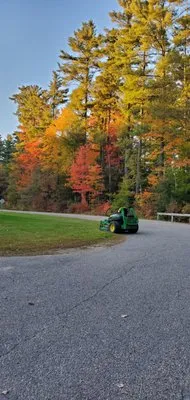
Precision Property Maintenance is your Colchester neighbor for professional property upkeep. We specialize in lawn services, dumpster rentals, and comprehensive tree care, helping homeowners tackle co...
Estimated Landscaping Service Costs in Lincoln, VT
Q&A
I'm tired of constant mowing and noisy gas equipment. Are there lower-maintenance, quieter alternatives?
Yes. Transitioning areas of high-maintenance turf to a climate-adaptive xeriscape with native plants is a forward-looking solution. Species like Serviceberry, New England Aster, and Joe-Pye Weed are adapted to our Zone 4b conditions, require minimal supplemental water once established, and provide critical habitat. This reduces mowing frequency and aligns with the shift toward electric, quiet maintenance fleets, helping you stay ahead of evolving noise ordinances.
I see an invasive vine taking over my hedge. How can I manage it without harming my lawn or breaking local rules?
Common invasives here include Oriental Bittersweet and Buckthorn. Manual removal is most effective for young plants. For established vines, targeted cut-stump treatment with an approved herbicide in late summer is often necessary. Crucially, any application must avoid established lawn areas to comply with Vermont's Phosphorus Fertilizer Law. We adhere to a seasonal management calendar to ensure treatments are safe and effective within regulatory frameworks.
A storm brought down branches all over my yard. How quickly can a crew get here for an emergency cleanup?
For emergency storm response, our primary dispatch route is from the Lincoln General Store via VT-116 to your location. During peak conditions, this transit typically requires 45-60 minutes. We coordinate with local utilities to ensure safe access. Our crews are equipped to handle debris removal, prioritize safety hazards, and can provide documentation for insurance purposes upon request.
Do I need a permit to regrade part of my 2.5-acre lot, and what kind of contractor should I hire?
Significant regrading that alters stormwater runoff patterns likely requires review by the Lincoln Town Planning Commission. For a lot of this size, engineering may be necessary. You must hire a licensed Sitework Contractor or Professional Engineer registered with the Vermont Office of Professional Regulation. This ensures the work complies with state erosion control and permitting standards, protecting you from liability and future drainage issues with neighboring properties.
My yard becomes a swamp every spring after snowmelt. What are my options for fixing the drainage?
Spring saturation is a common issue due to Lincoln's poorly drained glacial till subsoil. Solutions begin with assessing surface grading to direct water away from foundations. For persistent issues, installing a French drain system or dry creek bed using local granite aggregate can move subsurface water. When adding patios or walkways, specify permeable jointing for bluestone flagstone installations to increase ground infiltration and meet town runoff management standards.
Why is my Lincoln Village Center lawn so thin and acidic, and what can I do about it?
Properties in this area, developed around 1938, have nearly 90 years of soil development on acidic glacial till. This has resulted in a mature Spodosol with a pH of 5.5-6.2, which inhibits nutrient availability for turf grasses. The dense, poorly drained subsoil also restricts root growth. Core aeration combined with a light application of composted organic matter, not lime, is the recommended first step to improve soil structure and biological activity without drastically altering the native pH.
With no water restrictions, what's the most efficient way to keep my Kentucky Bluegrass lawn healthy?
Even with abundant water, efficient practices conserve resources and promote deeper roots. We recommend a manual drip irrigation system or soaker hoses for planted beds, supplemented by rain barrel collection. For turf, infrequent, deep watering early in the morning is superior to frequent shallow sprinkling. This method aligns with evapotranspiration (ET) principles, encouraging drought tolerance and reducing the risk of fungal diseases common in our humid springs.
Should I use wood or stone for a new patio, considering Lincoln's weather and fire risk?
Local granite and bluestone are superior for longevity and fire resilience. Wood requires regular sealing and deteriorates in our freeze-thaw cycles, while stone withstands decades with minimal maintenance. For properties in the Wildland-Urban Interface with a Moderate Fire Wise rating, stone patios and pathways also create essential non-combustible defensible space, a key safety consideration that can be integrated into your landscape design.
