Top Landscaping Services in Georgia, VT, 05454 | Compare & Call
There are 84 landscaping companies server in Georgia VT
JJ Daughters Lawn & Home Care is a trusted, family-run service provider in Milton, VT, dedicated to keeping local properties beautiful and functional year-round. We understand the common Vermont lands...
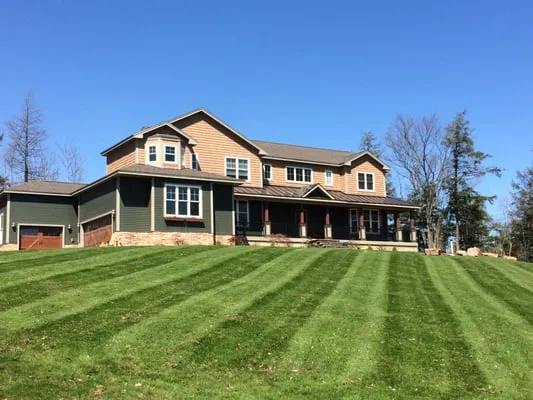
Four Leaf Landscaping is a fully insured, Saint Albans City-based landscaping company with over 15 years of dedicated experience serving Franklin County and the surrounding Vermont communities. We spe...
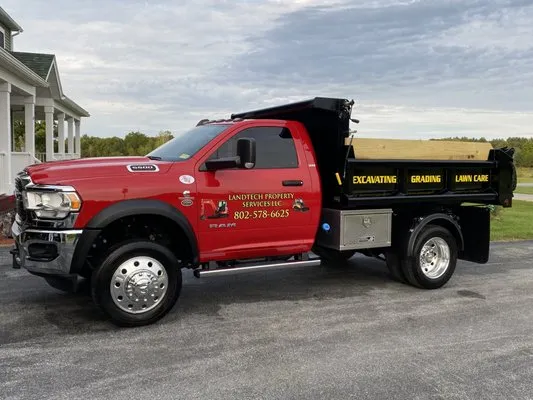
Landtech Excavation is a trusted, local excavation and property service company serving Georgia, VT, and the surrounding communities. We provide essential groundwork to keep properties functional and ...
CNB Lawn Care & Snow Plowing is your trusted, year-round partner for property maintenance in Saint Albans City, VT. We provide meticulous lawn care and reliable snow removal to keep your property look...
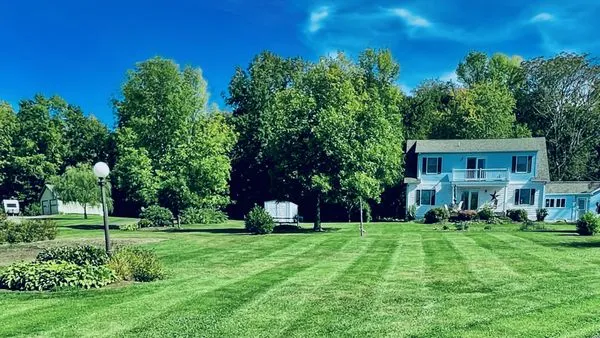
Joe’s Lawn Care in Isle LaMotte, VT, is a locally owned lawn service business run by Joe, who brings a lifelong passion and expertise to every job. His journey began at age six, when neighbors let him...
Nolan’s Inside Out Property Management
Nolan's Inside Out Property Management is a trusted Saint Albans City, VT partner for homeowners seeking reliable, year-round property care. We specialize in landscaping, snow removal, and tree servic...
JMH Labor is a trusted Saint Albans City business providing essential moving, painting, and landscaping services to local homeowners. Specializing in addressing common Vermont landscaping challenges l...
Hi, I'm Cory, the owner of Suds and Shrubs. I love what I do—caring for your home and yard is my passion. When my own home is clean and my yard is well kept, I can truly relax and enjoy it. Life is ab...

VT Terrain is a Saint Albans-based masonry, concrete, snow removal, and landscaping company with over 30 years of combined experience serving homeowners in Franklin County and surrounding areas. We sp...
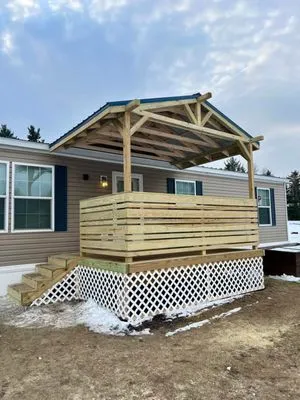
Bishops Property Maintenance LLC is a locally owned and operated business serving Franklin, VT, and the surrounding areas. With over 15 years of hands-on experience in the property management field, w...
Estimated Landscaping Service Costs in Georgia, VT
Questions and Answers
What permits are needed for landscape grading work?
Grading on 1.2-acre lots requires review by Georgia's Development Review Board for erosion control and drainage compliance. Vermont Secretary of State licensing ensures contractors understand frost heave mitigation in Zone 4b conditions. Professional regulation covers proper slope calculations to prevent foundation water issues. Unlicensed grading can violate municipal codes and create long-term drainage liabilities on larger properties.
What solutions address seasonal flooding in my yard?
High water tables and frost heave susceptibility in acidic fine sandy loam require subsurface drainage systems with proper grading. Dry-laid fieldstone and crushed granite hardscapes provide permeability that meets Georgia Zoning Administrator runoff standards. French drains connected to rain gardens with New England Aster and Joe-Pye Weed manage excess water while supporting local ecology. These systems prevent soil saturation that damages turf and foundation structures.
Should I reduce lawn area for lower maintenance?
Replacing high-maintenance turf with Serviceberry and Sugar Maple groves creates habitat while reducing mowing frequency. New England Aster and Joe-Pye Weed plantings require no gas-powered equipment once established, aligning with evolving noise ordinance trends. This xeriscaping approach cuts water use 50-70% and supports 2026 biodiversity standards. Electric maintenance tools handle any required care without combustion engine restrictions.
How quickly can you respond to storm damage for HOA compliance?
Emergency cleanup crews dispatch from Georgia Town Common and take I-89 to reach Georgia Center properties within 20-30 minutes during peak response times. We prioritize safety hazards like downed limbs blocking driveways or damaged trees threatening structures. Our electric maintenance fleet operates within standard noise limits while providing efficient debris removal. Documentation for HOA compliance is provided with each service visit.
How do I maintain my Kentucky Bluegrass lawn during dry periods?
Soil moisture sensor controllers optimize irrigation by applying water only when root zones reach specific dryness thresholds, typically 40-50% depletion. This ET-based approach reduces water use 20-30% compared to timer systems while preserving turf health. Even with voluntary conservation measures, these controllers help stay within municipal water limits. Fine fescue in the mix provides additional drought tolerance during seasonal dry spells.
How do I control invasive plants without chemicals?
Manual removal of invasive species like Japanese knotweed requires precise timing before seed set in early summer. Smothering with cardboard and mulch layers prevents regrowth without violating statewide phosphorus restrictions. Planting competitive natives such as Serviceberry creates shade barriers against reinvasion. This integrated approach maintains soil health while meeting Vermont's fertilizer ordinance requirements for residential properties.
Are stone patios better than wood decks for longevity?
Crushed granite and dry-laid fieldstone provide 50+ year durability with minimal maintenance compared to wood's 15-25 year lifespan. These materials create defensible space meeting Moderate Fire Wise ratings by eliminating combustible materials near structures. Permeable stone installations manage runoff without additional drainage systems. Their thermal mass moderates temperature extremes better than wood in Vermont's climate.
Why does my Georgia Center lawn struggle despite regular care?
Properties built around 1988 have 38-year-old soil that has become compacted from decades of foot traffic and equipment use. Georgia Center's acidic fine sandy loam naturally tends to compaction, reducing permeability and oxygen availability to roots. Core aeration every 2-3 years with organic amendments like composted leaf mold addresses this by improving soil structure and microbial activity. This approach is more effective than surface treatments alone for mature landscapes.
