Top Landscaping Services in Franklin, VT, 05457 | Compare & Call
There are 36 landscaping companies server in Franklin VT
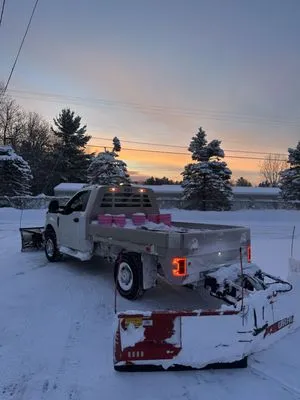
At Cedar’s Land & Stone in Milton, VT, owner-operator Kyle combines over a decade of industry expertise with a genuine passion for the craft. As a small, locally owned business, we focus on delivering...
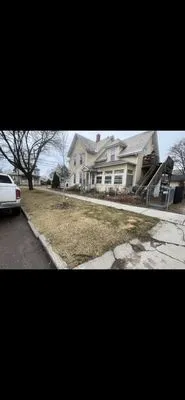
Meticulous Landscaping is a trusted, full-service provider serving the Colchester, VT community. We specialize in comprehensive lawn care and efficient junk removal, offering property cleanouts, junk ...
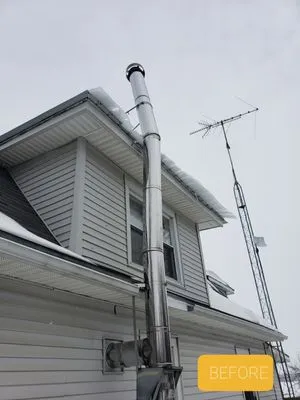
Northern Lights Masonry & Brickwork
Northern Lights Masonry & Brickwork is a locally owned and operated business deeply rooted in Alburgh and the surrounding islands. We understand the unique character and challenges of homes in this be...
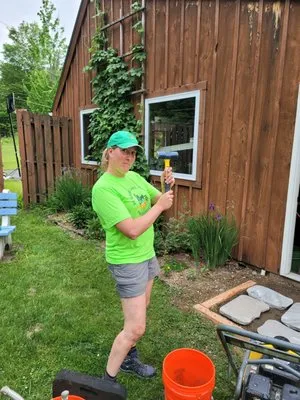
No Worries Lawn and Plow is a licensed, insured, and family-operated lawn care service in Williston, Vermont. We combine professional expertise with a seamless, tech-enabled experience to ensure your ...
ELM Property Maintenance is your trusted local partner for home and property care in South Burlington, VT. As a full-service handyman, landscaping, and cleaning company, we provide comprehensive solut...

Cutting Edge VT has been a trusted fixture in Saint Albans City since 2005. While much has changed over the years, our commitment to reliable, quality work has not. We operate with an old-fashioned be...
Summit Property Management
Summit Property Management is a trusted local provider in Colchester, VT, offering comprehensive property care, lawn services, and junk removal. We help homeowners, landlords, and businesses keep thei...
Bevins Property Maintenance provides comprehensive lawn care, snow removal, and general landscaping services to keep properties in Saint Albans, Franklin County, and Grand Isle County looking their be...
24K Junk Removal is a locally owned and operated business serving Franklin, Vermont, and surrounding communities since 2022. We provide a comprehensive range of services to help with junk removal, mov...
Vermont GreenScapes LLC is a family-owned business proudly serving Swanton and the surrounding communities. As the owner, Alex brings an old-school work ethic and a commitment to exceptional customer ...
Estimated Landscaping Service Costs in Franklin, VT
Question Answers
We want to regrade part of our half-acre lot. What permits and contractor credentials should we look for?
Regrading a 0.50-acre property in Franklin typically requires an earth disturbance permit from the Franklin Planning Commission to ensure proper erosion control and drainage. You must hire a contractor licensed by the Vermont Office of Professional Regulation, which ensures they carry the required insurance and adhere to state standards. This is crucial as improper grading can create off-site water issues, leading to significant liability on sloped or sensitive lots.
How do we keep our Kentucky Bluegrass lawn green without wasting water or violating any town rules?
Franklin has voluntary conservation, making smart irrigation critical. We install soil-moisture sensor controllers that water only when the root zone moisture drops below a set threshold, eliminating guesswork and overwatering. This ET-based system delivers precise hydration to your bluegrass-fescue mix, promoting deeper roots and drought resilience. It directly integrates with municipal water conservation goals by reducing usage by 20-40% compared to traditional timers.
We want a new patio. Is Vermont slate a better choice than composite or pressure-treated wood?
For longevity and ecological fit, Vermont slate and native fieldstone are superior. They offer a permanent, low-maintenance surface with exceptional freeze-thaw durability in Zone 4b. Unlike wood, they do not require chemical treatments, warp, or rot. From a Firewise perspective, stone provides critical non-combustible defensible space in Franklin's Wildland-Urban Interface, a key consideration for property hardening in a moderate-risk zone.
We're tired of weekly mowing and gas equipment noise. Is there a quieter, lower-maintenance alternative?
Yes, transitioning perimeter turf areas to a native plant community is a forward-looking solution. Planting Sugar Maple, Serviceberry, and layers of New England Aster and Wild Bergamot creates a resilient, biodiverse landscape that requires no mowing and minimal watering once established. This approach aligns with evolving noise ordinances restricting gas blowers and supports Franklin's moderate Firewise rating by using less flammable, deep-rooted vegetation.
A storm knocked a large limb onto our driveway. How quickly can a crew get here for emergency cleanup?
Our standard emergency response protocol for Franklin is a 45-60 minute arrival during peak hours. We dispatch from a central staging area near the Franklin Town Common and route via VT-120 to your neighborhood. This timing allows for safe travel and equipment mobilization to clear hazards, secure the site, and initiate debris removal while adhering to all traffic and safety regulations.
Our yard is a soggy mess every spring. What's the best long-term solution for drainage here?
Spring saturation from a high water table is typical in Franklin's acidic sandy loam, where permeability decreases with depth. The solution involves creating positive drainage away from foundations using French drains and dry creek beds lined with native fieldstone. For patios or walkways, specifying permeable Vermont slate setts allows stormwater to infiltrate naturally, which often meets Franklin Planning Commission runoff management standards for new hardscape installations.
Our lawn has never been great, and our house was built around 1978. Is there something in the soil?
Homes in Franklin Village Center built in the late 1970s have acidic sandy loam soils that are now nearly 50 years old. This age means the soil is likely compacted and depleted of organic matter, a common issue in older neighborhoods. The native pH of 5.5-6.2 can inhibit nutrient uptake for standard turf. To restore health, core aeration followed by amending with compost is essential to improve soil structure, water retention, and microbial activity.
We see a lot of Japanese Knotweed along VT-120. How do we stop it from invading our yard safely?
Japanese Knotweed is a high-priority invasive in our area. Effective control requires a multi-year, integrated strategy starting with careful foliar herbicide application during its late summer flowering stage, performed by licensed applicators. Critically, this treatment plan must avoid Vermont's blackout dates under the Phosphorus Fertilizer Law and never involve phosphorus-containing products. For small infestations, repeated cutting and smothering with heavy geotextile can provide suppression.
