Top Landscaping Services in Charlotte, VT, 05445 | Compare & Call
There are 84 landscaping companies server in Charlotte VT
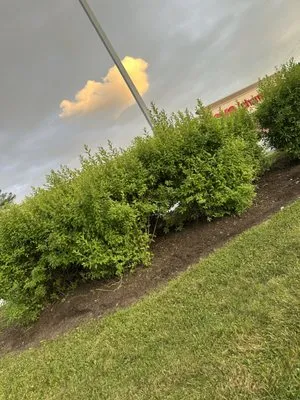
VT Property Maintenance is a full-service landscaping, excavation, and general contracting company serving homeowners in Georgia, Vermont. We specialize in solving common local property challenges, in...
D&B Mowing, a locally-owned lawn care service in Richmond, VT, is built on a foundation of dedication and community values. Founded by two Eagle Scouts, the company operates with a commitment to relia...
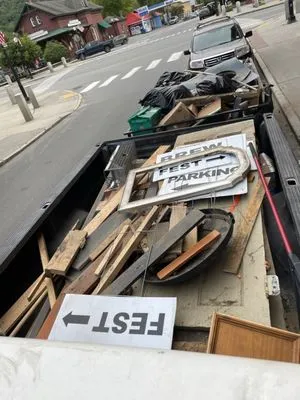
Rich’s Removals and Property Maintenance
Rich's Removals and Property Maintenance is your local, full-service partner for maintaining and improving your Randolph, VT property. We provide a comprehensive range of services designed to handle b...
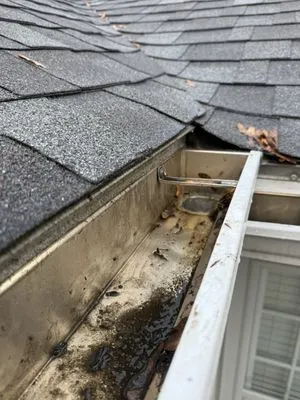
Champlain Landscaping is your local, reliable partner for maintaining a healthy and attractive property in Milton and throughout Chittenden County. As a locally owned company, we understand the specif...
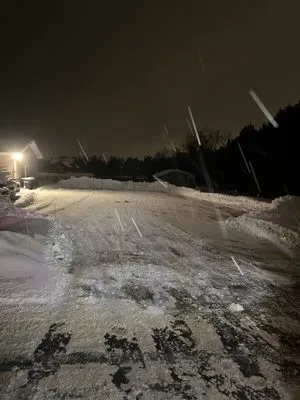
With over ten years of hands-on experience caring for Vermont landscapes, Zeb leads The Yard Barbers LLC in Williston. The business is built on a straightforward philosophy: outstanding outdoor spaces...

For over 15 years, S & D Landscapes LLC has been a trusted, family-owned and operated landscaping partner serving Essex Junction, Williston, Jericho, Shelburne, Colchester, Winooski, Burlington, and S...
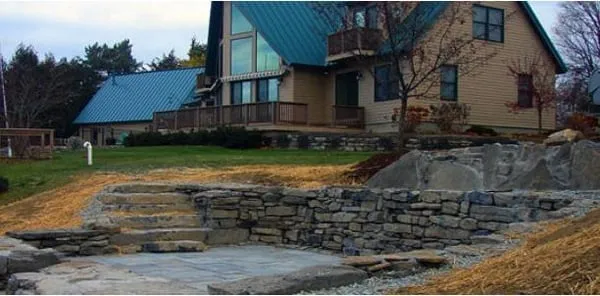
Rainbow Acres Landscape
Rainbow Acres Landscape began over two decades ago on the side of the road in Addison, VT, growing plants and selling them from a small greenhouse. Our passion for building lasting beauty took root in...
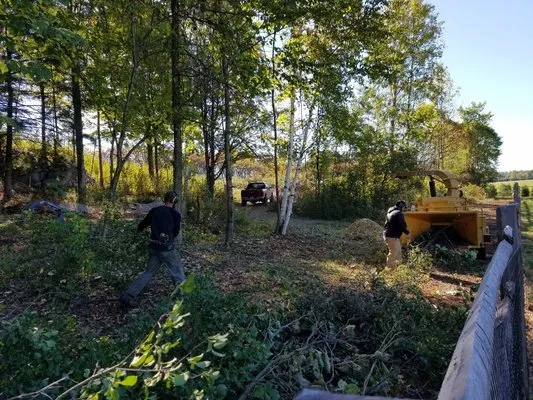
J&L Landcare is a trusted, full-service landscaping company serving Bristol, VT, and the surrounding communities. We specialize in comprehensive tree care, reliable snow removal, and meticulous lawn s...
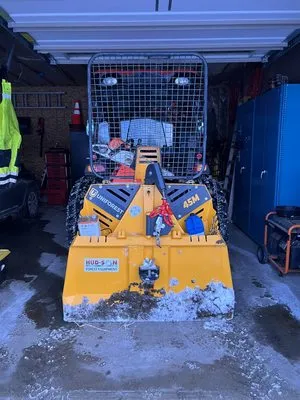
Pleasant Valley Landshaping
Pleasant Valley Landshaping is a Cambridge, VT-based excavation and landscaping company specializing in small to medium-sized projects for local homeowners and property owners. We offer a comprehensiv...
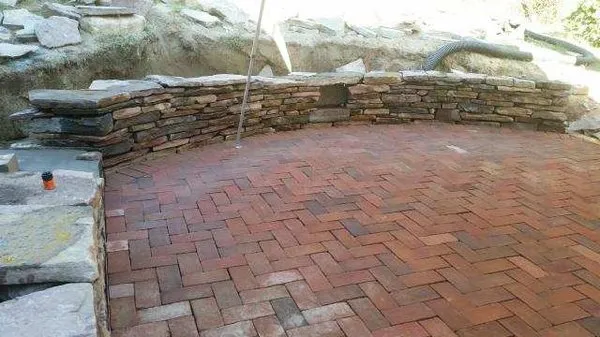
Top Dog Landscaping has been a trusted part of the St. George, VT community since 2001. We're a dedicated, local team providing comprehensive year-round care for your property. Our long-term crew ensu...
Estimated Landscaping Service Costs in Charlotte, VT
Q&A
How quickly can you respond to an emergency tree cleanup after a storm in Charlotte?
Our regional service response from Charlotte Town Beach via US Route 7 typically requires 45-60 minutes for emergency dispatch. We maintain electric-powered equipment to comply with Charlotte's noise regulations restricting operation between 9 PM and 7 AM. For HOA compliance issues requiring immediate attention, we prioritize same-day assessment with documentation of necessary corrective actions to meet neighborhood standards.
What permits and licenses are required for regrading my 2.5-acre property in Charlotte?
The Charlotte Zoning and Planning Department requires erosion control permits for any grading disturbing over 1,000 square feet. Contractors must hold Vermont Secretary of State Office of Professional Regulation landscaping licenses for projects exceeding $10,000 in value. On lots this size, certified professionals should design drainage systems to prevent off-site runoff impacts. These regulations ensure proper stormwater management and protect adjacent properties from grading-related damage.
What solutions address seasonal high water tables and frost heave in Charlotte's acidic soils?
Seasonal saturation in fine sandy loam requires French drains or dry wells to intercept subsurface flow before it causes frost heave damage. Permeable Vermont slate installations allow surface water infiltration while meeting Charlotte Zoning and Planning Department runoff standards. Grading adjustments that direct water away from foundations should maintain minimum 2% slope. These interventions prevent root rot in landscape plants during spring thaw periods.
How should I manage invasive species like Japanese knotweed without violating Vermont's phosphorus regulations?
Targeted glyphosate applications during active growth periods provide effective control without triggering phosphorus ordinance violations. For organic approaches, repeated cutting combined with solarization suppresses invasive spread. Always conduct soil testing before any amendment application to document phosphorus deficiency exceptions. Proper disposal of invasive plant material at designated facilities prevents reinfestation across Charlotte's 2.5-acre average properties.
How can I maintain my Kentucky Bluegrass and Fine Fescue blend during dry periods without violating water restrictions?
Charlotte's voluntary conservation status allows flexibility, but soil moisture sensor controllers optimize irrigation by applying water only when ET rates exceed soil moisture levels. These systems prevent overwatering while maintaining turf health during peak demand months. Programming deep, infrequent watering cycles encourages deeper root growth and drought tolerance. This approach typically reduces municipal water usage by 20-30% compared to traditional timer-based systems.
Why does my Charlotte Village lawn struggle with compaction and poor drainage despite regular care?
Charlotte properties built around 1948 have 78-year-old soil profiles where decades of foot traffic and traditional maintenance have degraded soil structure. Acidic fine sandy loam soils in this neighborhood naturally compact over time, reducing permeability and oxygen availability to roots. Core aeration every 1-2 years is essential to break up compaction layers and incorporate organic amendments like compost. This improves water infiltration and supports healthy microbial activity in the root zone.
Why choose Vermont slate over wood for patio surfaces in Charlotte's moderate fire risk areas?
Vermont slate offers superior longevity with 50+ year lifespans versus wood's 15-20 year replacement cycle. Its non-combustible nature supports defensible space requirements in Charlotte's Wildland-Urban Interface moderate rating zones. Local fieldstone edges provide natural firebreaks while maintaining permeability for stormwater management. These materials withstand freeze-thaw cycles better than imported options, reducing maintenance costs over time.
What low-maintenance alternatives reduce mowing frequency and equipment noise in my landscape?
Replacing high-maintenance turf areas with native plantings like serviceberry, New England aster, and wild bergamot creates biodiverse habitats requiring minimal intervention. These species thrive in USDA Zone 5b conditions without supplemental irrigation once established. Transitioning to electric maintenance equipment addresses evolving noise ordinance concerns while providing equivalent performance. This approach aligns with 2026 biodiversity standards and reduces seasonal maintenance by 40-60%.
