Top Landscaping Services in Cambridge, VT, 05444 | Compare & Call

There are 50 landscaping companies server in Cambridge VT
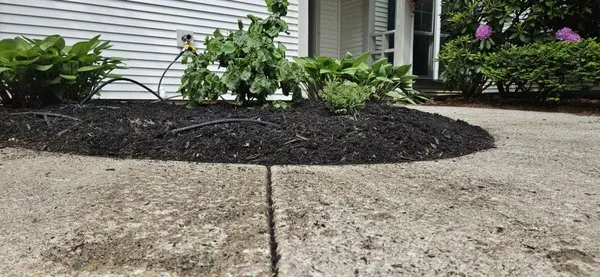
Wolfe Landscaping is your reliable, locally-owned landscaping partner in Burlington, VT. We provide professional lawn care, including mowing, trimming, and seasonal cleanups, along with comprehensive ...
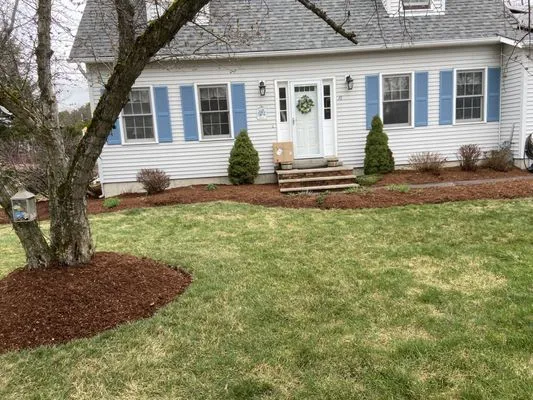
Lavalley Landscaping is a locally owned and operated business serving Colchester, VT, with over 15 years of hands-on experience. As a sole proprietor, I bring a personal touch to every project, driven...
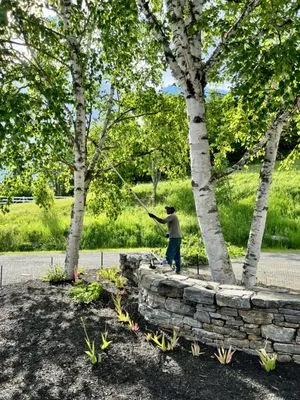
Regenerative Gardenworks
Regenerative Gardenworks is a Saint Johnsbury landscaping company founded in 2016 by Aubrey Case. After moving to Vermont from Colorado, Aubrey turned his passion for nature and gardening into a dream...

Three Fold Landscaping is a locally-owned and operated property care company serving Essex Junction and the surrounding Vermont communities. We provide comprehensive, year-round support to keep your o...
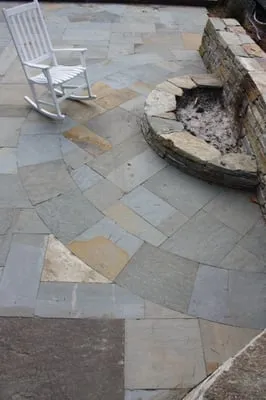
Morning Dew Landscaping & Stonework
Morning Dew Landscaping & Stonework, founded in 2004 by Vermont Certified Horticulturist Matt Leonetti, brings a deep-rooted expertise to Richmond's outdoor spaces. Matt's career began in Ohio with la...
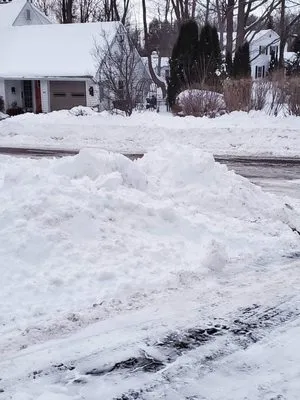
Minor's Property Maintenance LLC is a Williston-based company dedicated to enhancing and maintaining residential and commercial properties through reliable, detailed services. We specialize in landsca...
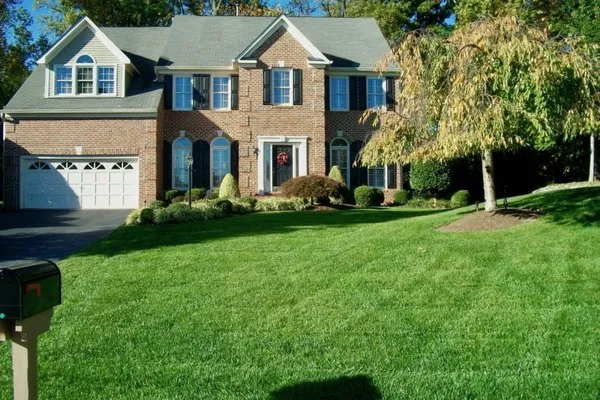
At VT Basic Mowing in South Burlington, we provide straightforward, reliable lawn mowing services to keep your yard looking its best. Our core service includes regular mowing to your preferred height,...
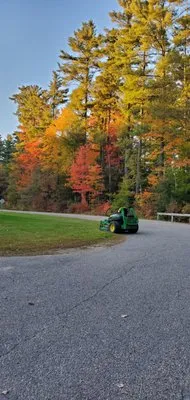
Precision Property Maintenance is your Colchester neighbor for professional property upkeep. We specialize in lawn services, dumpster rentals, and comprehensive tree care, helping homeowners tackle co...
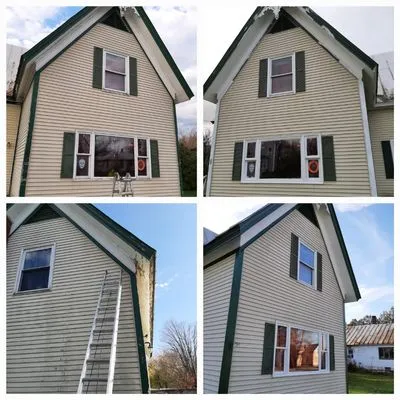
Fresh Look Property Maintenance
Travis at Fresh Look Property Maintenance is your local Saint Albans City specialist for painting and pressure washing. With a strong track record of positive recommendations on Google, he brings reli...

Top Tier Property Maintenance is your full-service solution for property upkeep, junk removal, and moving in Swanton, Vermont. We operate 24/7 across the entire state, ready to handle everything from ...
Estimated Landscaping Service Costs in Cambridge, VT
Questions and Answers
How quickly can you respond to an emergency storm cleanup to meet HOA compliance deadlines?
For urgent storm response in Cambridge, our dispatch from near Cambridge Elementary School utilizes VT-15 for efficient access, targeting a 20-30 minute arrival during peak incidents. We prioritize debris clearing that impacts safety or violates covenants, coordinating with local utilities for downed line hazards. Our electric-powered maintenance fleet operates within the standard 7:00 AM to 9:00 PM noise ordinance window to ensure compliant and immediate service.
Why does my half-acre property need a licensed professional for regrading work?
Vermont law requires any significant alteration of drainage patterns or soil disturbance to be performed by a landscape professional licensed through the Vermont Office of Professional Regulation. On a 0.50-acre lot in Cambridge, improper grading can create off-site runoff issues, violating local ordinances and potentially damaging neighboring properties. The Cambridge Zoning Administrator may also require a permit to ensure the work complies with setback and environmental protection standards, making professional oversight non-negotiable.
I want to reduce mowing and gas equipment noise. What are my best planting options?
Transitioning to a climate-adaptive landscape with Vermont natives like Serviceberry, Wild Columbine, and Bee Balm significantly reduces maintenance inputs. These deep-rooted plants stabilize soil, support local pollinators, and eliminate weekly mowing, aligning with evolving noise ordinances that restrict gas-powered blowers. Incorporating New England Aster provides late-season color, creating a resilient, low-input garden that meets 2026 biodiversity standards for the Wildland-Urban Interface.
How can I maintain a healthy Kentucky Bluegrass lawn with Cambridge's voluntary water conservation?
Effective irrigation here relies on precise technology rather than volume. We install soil moisture sensor-based drip systems that deliver water directly to root zones, preventing evaporation and runoff. This method aligns with municipal conservation goals by applying water only when the turf's evapotranspiration (ET) rate indicates need, preserving the fine fescue blend's drought tolerance. Proper scheduling based on real-time data typically reduces total water use by 30-50% compared to traditional sprinklers.
Why does the soil in my Cambridge Village yard feel so compacted and acidic?
With homes averaging 88 years of age, soil profiles here have matured under decades of standard maintenance, leading to significant compaction. Our native acidic fine sandy loam naturally trends toward a pH of 5.8-6.2, which can be exacerbated by routine activities and limit nutrient availability. Annual core aeration, timed with the peak mulching season in early May, and amendments with composted leaf litter are critical to improve soil structure and support healthy root systems for both turf and native plantings.
My yard becomes a saturated mess every spring with snowmelt. What's the best long-term fix?
Spring saturation is common due to poorly drained clay lenses beneath the sandy loam. A strategic solution involves installing French drains or dry wells to intercept subsurface water, coupled with regrading to direct surface flow away from foundations. Using permeable local granite or bluestone pavers for patios and walkways increases infiltration, helping projects meet Cambridge Zoning Administrator standards for stormwater management and reducing ponding.
Is local granite or pressure-treated wood better for a new patio that needs to last?
Local granite and bluestone offer superior longevity and permeability compared to wood, which requires chemical treatments and periodic replacement. In Cambridge's USDA Zone 4b, freeze-thaw cycles make durable, non-porous stone essential for preventing heaving. From a Firewise perspective, stone patios and pathways also create critical defensible space in this Moderate-risk zone, as they are non-combustible and help slow wildfire spread near structures.
What invasive species should I watch for, and how do I treat them without chemical runoff?
In Cambridge's acidic soils, watch for aggressive invaders like Japanese Knotweed and Garlic Mustard, which outcompete natives. Manual removal and smothering with heavy cardboard mulch are effective first steps, avoiding the need for herbicides that could violate the statewide phosphorus ban on turf fertilizer. For persistent issues, targeted, professional-grade organic treatments can be applied outside of sensitive hydrological periods to protect local watersheds from contamination.
