Top Landscaping Services in Weber City, VA, 24290 | Compare & Call

There are 21 landscaping companies server in Weber City VA

Drapers Land and Home Services is a trusted, locally-owned landscaping company serving Bristol and the surrounding area. We specialize in comprehensive property care, from routine lawn mowing to compl...
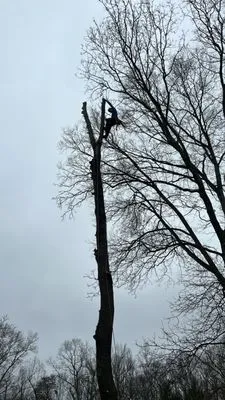
Halls Lawn and Tree is your trusted local lawn and tree care specialist serving Gate City, VA. We provide comprehensive services including lawn care, tree planting, pruning, removal, and stump removal...
Big L's Landscaping is a Gate City, VA-based company specializing in comprehensive landscaping and excavation services. We help homeowners and businesses transform their outdoor spaces with expert sol...
Done-Rite is your trusted local expert for handyman, plumbing, and landscaping needs in Weber City, VA, and the surrounding East Tennessee region. As a licensed and insured small business with over a ...

Apex Pest Control & Lawn Care, operating as BYPC Inc., has been a trusted local provider in Southwest Virginia since 2006. We offer a dual focus on eco-friendly pest control and comprehensive lawn car...
McGuire’s Lawn & Landscaping has been serving Duffield, VA, with reliable lawn care and landscaping services for years. Our mission is to create and maintain beautiful, healthy outdoor spaces that cli...

Branch Family Construction is a family-owned handyman and construction business serving Coeburn, VA, and the surrounding areas. We specialize in drywall installation and repair, landscaping, and a com...
K & J Lawn Care
K & J Lawn Care is a family-owned and operated business proudly serving Gate City, the Tri-Cities, and surrounding communities. We offer a comprehensive range of services designed to maintain and enha...
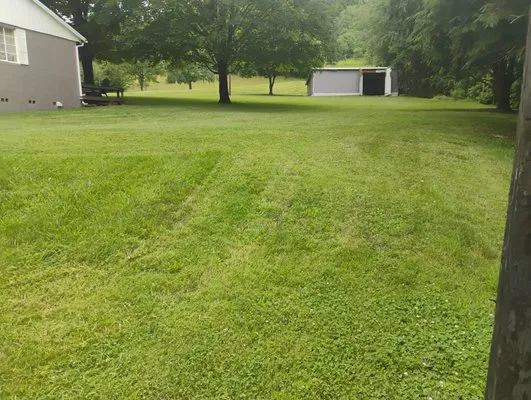
ATA Lawn Care is a dedicated lawn service provider based right here in Gate City, VA, helping homeowners maintain healthy, functional, and beautiful yards. We understand the specific challenges our co...
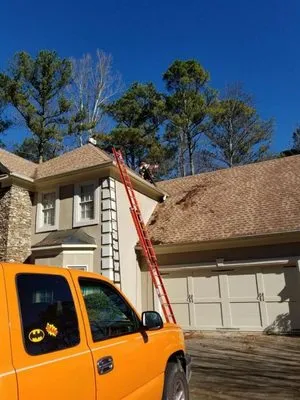
Home Maintenance Services
Based in Gate City, VA, we provide comprehensive home maintenance services focused on protecting your property from the region's common landscaping and water management challenges. Our gutter services...
Estimated Landscaping Service Costs in Weber City, VA
Frequently Asked Questions
Is Appalachian fieldstone a good choice for a new patio?
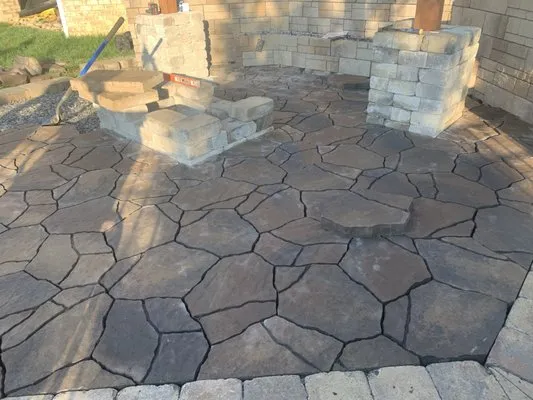
Appalachian fieldstone offers superior longevity and lower lifetime maintenance compared to wood, which decays and requires chemical treatment. Its natural thermal mass and non-combustible nature also support WUI Zone 2 Fire Wise compliance by creating a defensible space barrier. Properly installed on a compacted gravel base, a dry-laid fieldstone patio is a permanent, permeable, and ecologically integrated feature for our landscape.
What is your fastest service for storm damage or HOA compliance?
Our Emergency Cleanup dispatch prioritizes Weber City, routing from our base near Natural Tunnel State Park via US-23 for a 20-30 minute arrival during peak hours. We maintain electric equipment fleets ready for immediate debris removal and trimming to meet HOA standards, operating within the standard 7:00 AM to 9:00 PM noise ordinance window to ensure compliant, rapid response.
My lawn seems thin and compacted. Is this just from age?
Properties in the Weber City Historic District, averaging 60 years since construction, have mature but often degraded soil profiles. The prevalent acidic silty clay loam compacts over decades, restricting root growth and water infiltration. Core aeration in early spring or fall is critical to relieve compaction, followed by incorporating compost to improve structure and microbial activity, moving the pH toward a more neutral range for healthier turf.
How can I keep my Tall Fescue green without wasting water?
In our Zone 7a climate with normal water restrictions, smart irrigation is non-negotiable. Wi-Fi soil moisture sensor controllers prevent overwatering by scheduling based on actual ET rates and soil conditions, not just a timer. This technology applies water only when and where your Kentucky-31 Tall Fescue needs it, conserving municipal supply while maintaining turf health through summer stress periods.
What invasive species should I watch for, and how do I control them?
Monitor for Japanese stiltgrass, tree-of-heaven, and mimosa, which thrive in disturbed soils. Manual removal for young plants is effective. For established invasions, targeted herbicide application must follow the Chesapeake Bay Watershed Nutrient Management Regulations, avoiding blackout dates near waterways. Always pair removal with soil amendment and replanting with natives to prevent re-colonization and rebuild ecological function.
My yard has serious runoff issues on the slope. What's the solution?
High runoff on mountainous slopes is exacerbated by the low permeability of silty clay loam. A tiered approach using dry creek beds of local Appalachian fieldstone and French drains can redirect water. For new hardscapes, specify permeable setts or open-joint designs with gravel bases. These systems manage stormwater on-site, often meeting Scott County Building & Zoning Department runoff standards without requiring extensive underground piping.
Why does my contractor need a special license for regrading my yard?
Significant earthmoving on a 0.35-acre lot, especially on slopes, involves engineering for stability and drainage that impacts downstream properties. In Virginia, this work typically requires a contractor licensed by the DPOR. Furthermore, the Scott County Building & Zoning Department often requires a permit for grading that alters water flow, ensuring plans comply with erosion and sediment control laws designed to protect the Chesapeake Bay watershed.
I want a lower-maintenance, quieter yard. Where do I start?
Transitioning high-input turf areas to a native plant palette is a forward-looking strategy. Incorporating Eastern Redbud, Switchgrass, and Purple Coneflower reduces mowing, eliminates gas blower use ahead of tightening noise ordinances, and supports local pollinators. These deep-rooted natives are adapted to our acidic soil and climate, requiring minimal irrigation once established and contributing to 2026 biodiversity goals.
