Top Landscaping Services in Vienna, VA, 22180 | Compare & Call
There are 148 landscaping companies server in Vienna VA
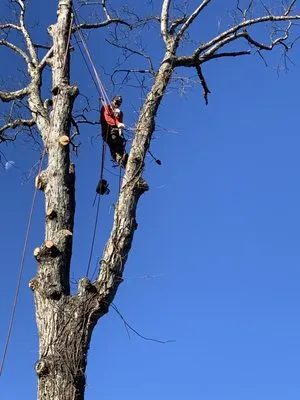
Edwin Tree Services Removal is a trusted local provider in Manassas Park, VA, specializing in comprehensive tree and shrub care. We help homeowners address common landscaping challenges like soil comp...
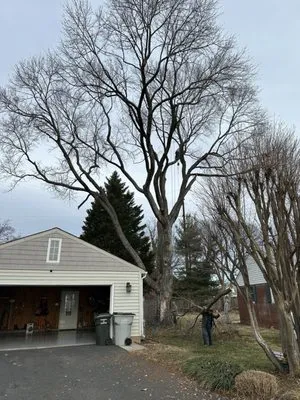
Gordon W Frazier Tree Service is a Fairfax, VA institution, providing reliable tree and shrub care to the community for over 30 years. Led by Gordon and his skilled team, the business is built on a fo...
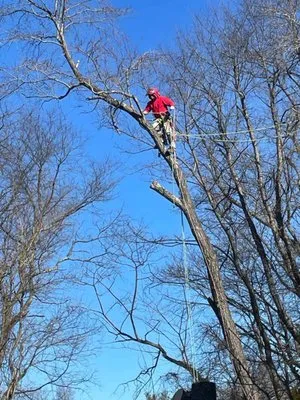
For over a decade, Eagles Landscaping LLC has been a trusted local partner for homeowners and businesses in Manassas Park, VA, and throughout Fairfax, Loudoun, and Prince William Counties. Led by owne...
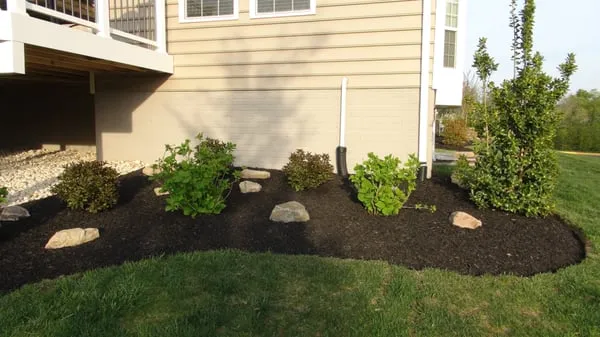
SVV Maintenance has been enhancing Leesburg properties since 2000. Founded by Santos, our team combines over two decades of hands-on experience with a commitment to ongoing education, including regula...
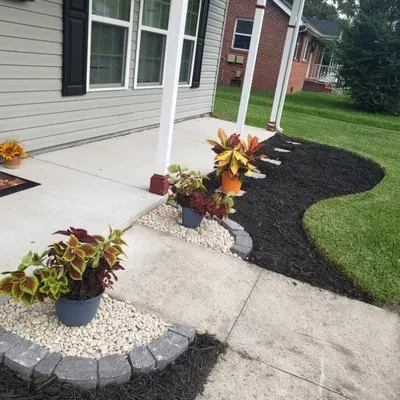
Jose Lara Landscaping Service is a Fairfax-based contractor providing comprehensive outdoor solutions for residential and commercial properties. We specialize in tree services, including safe removals...
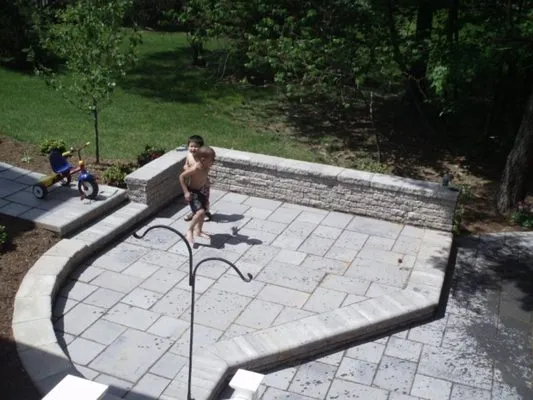
JBSC Services is a trusted Fairfax, VA contractor dedicated to building and enhancing outdoor living spaces for Northern Virginia homeowners. We specialize in custom deck and porch construction, durab...
Frog Landscape Services has been a trusted Arlington, VA, partner for homeowners since our founding. We specialize in transforming local properties with comprehensive landscaping, reliable snow remova...
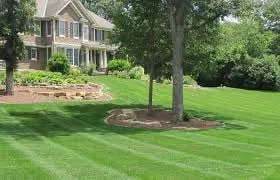
J & M Landscaping is a locally-owned and operated business serving Centreville, VA, and the surrounding communities. Founded by Jim Crossett, the company was born from a personal passion for lawn care...
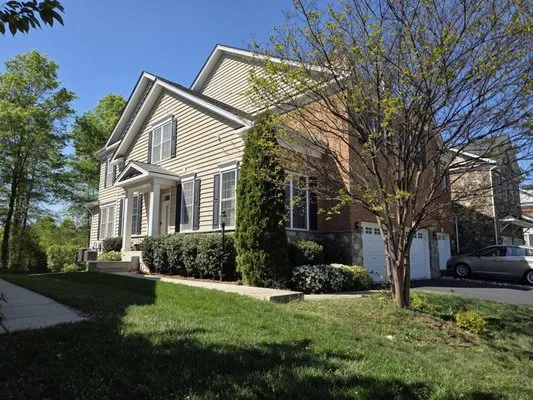
Amperdutch brings a thoughtful approach to landscaping, fencing, and outdoor care in Winchester, VA. Founded on the principle of making a positive difference, we combine years of professional experien...
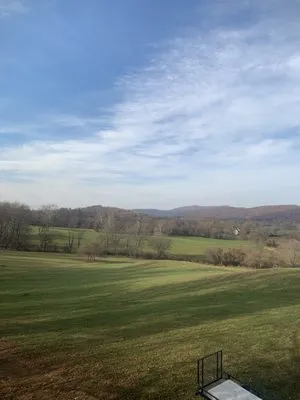
My connection to trees runs deep. Born and raised in Rotorua, New Zealand—a country with over 574 native species—I grew up in a culture that respects the land. That upbringing, combined with 40 years ...
Estimated Landscaping Service Costs in Vienna, VA
Question Answers
Are permeable clay pavers a better choice than composite decking for a new patio?
For longevity and ecology, clay pavers are superior. They offer exceptional durability without the weathering, warping, or splintering of wood products. Their permeability manages runoff directly at the source, a key advantage for local drainage. In a low Fire Wise rating urban setting, their non-combustible nature also provides a permanent defensible space compared to combustible decking materials.
My yard gets soggy after heavy rain. What's a lasting solution?
Seasonal saturation is typical for clay loam soils with moderate runoff. A graded French drain system can intercept subsurface water, while regrading swales directs surface flow away from foundations. Using permeable clay pavers for patios or walkways increases ground absorption, helping properties meet Town of Vienna Planning & Zoning Department standards for stormwater management by reducing impervious surface runoff.
What permits and qualifications should I verify for a grading and patio project?
Any significant grading or impervious surface installation on a 0.32-acre lot requires a permit from the Town of Vienna Planning & Zoning Department. The contractor must hold a valid Class A, B, or C license from the Virginia DPOR for landscaping. This licensing ensures they are bonded, insured, and knowledgeable about state sediment control and nutrient management laws, protecting you from liability and substandard work.
What are lower-maintenance alternatives to my high-input lawn?
Transitioning sections to a xeriscape of native plants like Purple Coneflower, Switchgrass, and Joe Pye Weed significantly reduces water, mowing, and chemical needs. These plants are adapted to local pH and climate, supporting pollinators and soil biology. This shift preempts tighter regulations on gas-powered equipment and aligns with biodiversity goals, creating a resilient landscape that thrives with minimal intervention.
How fast can you respond to an emergency like a storm-damaged tree blocking a driveway?
For urgent HOA compliance or safety issues, we dispatch a crew from our staging near the Vienna Town Green. Using I-495, we can typically reach a Vienna Woods address within the 20-30 minute window during peak congestion for initial assessment and hazard mitigation. Our electric fleet allows us to operate within the 8 AM to 6 PM commercial window without noise violations, ensuring immediate, code-compliant service.
Why is the soil in my Vienna Woods yard so dense and hard to work with?
Properties built around 1969, like many in this neighborhood, have had over 55 years of soil compaction from construction and foot traffic. Vienna's acidic clay loam (Ultisol) naturally becomes denser over time, reducing permeability and root penetration. Core aeration is critical to break up this compaction, followed by incorporating 2-3 inches of composted leaf mulch to improve soil structure and microbial activity. This addresses the inherent low pH and poor drainage common in established lots.
How do I deal with invasive weeds like Japanese Stiltgrass without harming the Chesapeake Bay?
Manual removal before seed set in late summer is most effective for small infestations. For larger areas, targeted post-emergent herbicide applications must follow the Virginia Chesapeake Bay Watershed Nutrient Management Regulations, which prohibit certain fertilizers and chemicals during blackout dates to protect water quality. A soil test informs any necessary amendments, ensuring treatments are precise and legally compliant.
Can I have a green lawn while following Vienna's water conservation guidelines?
Yes, using Wi-Fi ET-based weather-sensing irrigation is the standard for compliance. These systems adjust watering schedules daily based on local evapotranspiration data, preventing overwatering. For Tall Fescue turf in Zone 7b, this technology applies water only when needed, often reducing usage by 20-30% while maintaining plant health. This meets voluntary conservation goals by aligning irrigation precisely with soil moisture deficits.
