Top Landscaping Services in Union Hall, VA, 24176 | Compare & Call
There are 175 landscaping companies server in Union Hall VA
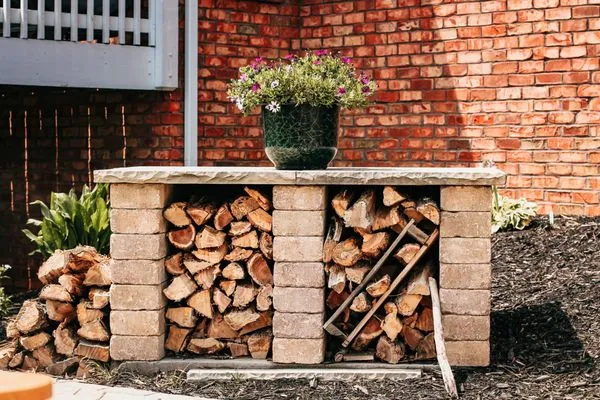
High Trail Lawn Care is a family-operated lawn care and landscaping provider based in Forest, VA, with over 8 years of experience serving the Greater Lynchburg area. Specializing in residential lawn m...
W&G Lawncare & Handyman is a trusted, full-service provider for homeowners in Chatham, VA. We specialize in both landscaping and handyman services, offering a comprehensive solution to maintain and im...

Sloan's Lawncare is a Bedford, VA-based, family-owned lawn service that began in 2017, founded by owner-operator Chris Sloan. Driven by a genuine passion for outdoor work and a commitment to his commu...
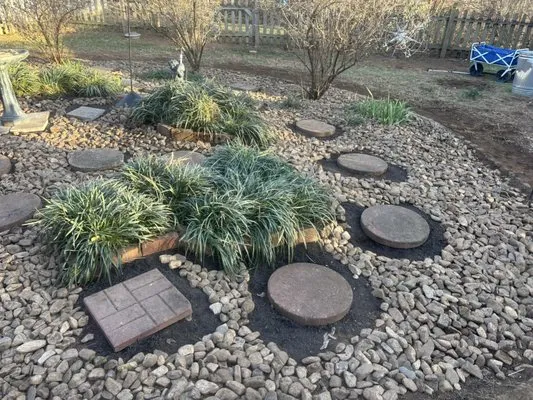
Dillion and Davis Landscaping is a Salem-based lawn and tree care company dedicated to helping local residents achieve and maintain beautiful, healthy outdoor spaces. We offer comprehensive services i...
Lawn Doctor in Clifford, VA, is your local expert for comprehensive landscaping, pest control, and tree services. We specialize in addressing common local issues like dying shrubs and moss growth in l...
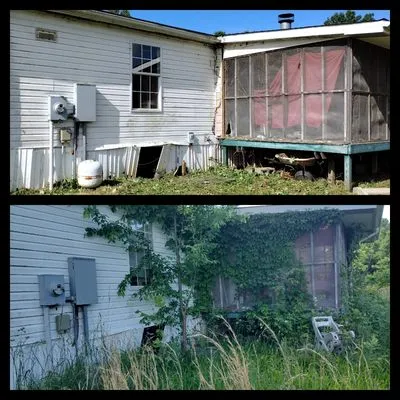
Just Chunkin' Junk
Just Chunkin' Junk is a family-owned junk removal and property services business serving South Boston, VA. We specialize in appliance, furniture, and mattress disposal, property cleanouts, junk pickup...
Butler's Services Inc. is a trusted, locally-owned exterior maintenance provider serving homeowners and businesses in Rustburg and the greater Lynchburg area. With over 20 years of experience, our tea...
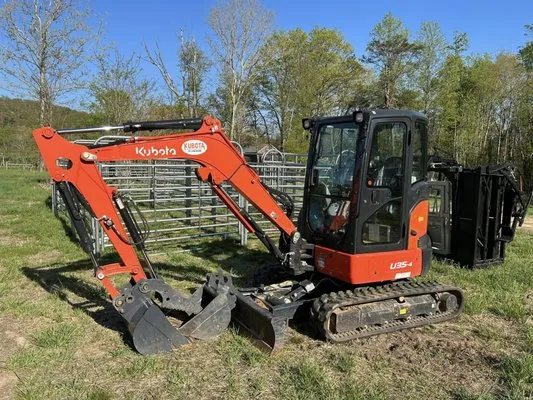
Key Landscaping and Excavation
Key Landscaping and Excavation is a family-owned business serving Bedford, VA, and Central Virginia since 2022. We specialize in comprehensive excavation, grading, and demolition services, along with ...
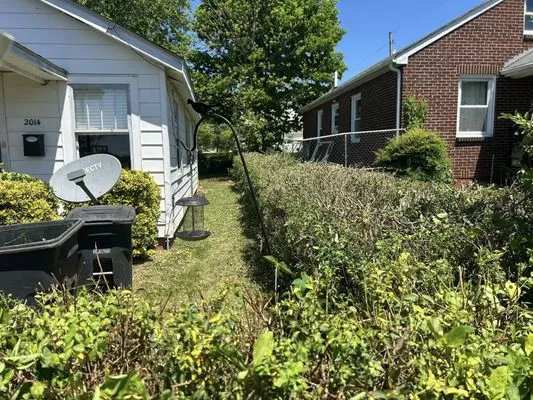
Five Blessings Property Care, founded by Ace Foldesi, is a trusted local service in Gladys, VA, built on a foundation of hands-on property management. As an extension of the popular Five Blessings Far...

Huffmans-N-Sons is a trusted, full-service landscaping company serving Norfolk, VA. We specialize in transforming outdoor spaces, from comprehensive landscape design and installation to detailed maint...
Estimated Landscaping Service Costs in Union Hall, VA
Q&A
What permits and licenses are needed for grading my 0.75-acre property?
Franklin County Building & Inspections requires grading permits for any earth movement exceeding 50 cubic yards on 0.75-acre lots. The Virginia Board for Contractors mandates Class A licensing for projects affecting drainage patterns or structural foundations. Unlicensed grading risks fines up to $5,000 plus restoration costs, as improper slope modification can trigger erosion violations under Bay TMDL regulations. Always verify contractor licensing before beginning significant earthwork.
Can I maintain Tall Fescue turf while following water conservation guidelines?
Yes, with smart Wi-Fi soil moisture sensor systems that adjust irrigation based on actual ET rates. These systems reduce water use 30-40% compared to traditional timers while preserving Kentucky-31 or turf-type Tall Fescue health. During normal voluntary conservation status, program sensors to maintain 0.5-0.75 inches weekly, applying water during early morning hours. This approach meets municipal water limits while preventing drought stress in Zone 7b conditions.
How quickly can you respond to emergency storm damage for HOA compliance?
Emergency cleanup dispatch originates from the Union Hall Fire Department, taking VA-40 to Smith Mountain Lake Estates. During peak conditions, expect 45-60 minutes travel time for initial assessment. Our electric fleet operates within standard noise control hours (7 AM-10 PM) for immediate debris removal. We prioritize safety hazards like downed limbs near structures while documenting conditions for insurance and HOA requirements.
Why does my soil seem so compacted and acidic in Smith Mountain Lake Estates?
Union Hall lots in this neighborhood, built around 1995, have 31-year-old Ultisols soil profiles. Acidic clay loam with pH 5.5-6.2 naturally compacts over decades, restricting root growth and water infiltration. Core aeration every 2-3 years and adding organic compost (3-4 cubic yards per 1000 sq ft) will improve soil structure and microbial activity. This addresses the inherent low permeability of Virginia Piedmont soils while maintaining proper drainage for foundation health.
How do I control invasive species without violating fertilizer regulations?
Identify common invasives like Japanese stiltgrass or tree-of-heaven early, when manual removal is most effective. For established infestations, use targeted herbicide applications outside Virginia's Nutrient Management Regulation blackout dates (typically November-February). Always follow Bay TMDL compliance guidelines for phosphorus-free products. Integrate treatment with soil testing to address underlying acidity issues that often favor invasive establishment over native species.
What's the best solution for erosion on sloped properties with clay soil?
Moderate to high slope erosion in acidic clay loam requires graded swales and French drains directing water away from foundations. Permeable flagstone or local slate hardscapes meet Franklin County Building & Inspections runoff standards by allowing 40-60% water infiltration versus impervious surfaces. Install these with 2% minimum slope and gravel bases to prevent washouts while managing the 25-35% permeability typical of Union Hall Ultisols.
Is flagstone better than wood for durable, fire-resistant landscaping?
Flagstone and local slate offer superior longevity (50+ years versus 10-15 for wood) with minimal maintenance. These materials support Moderate Fire Wise Rating (WUI Zone 2) compliance by creating defensible space without combustible organic matter. Unlike wood decks or mulch, stone surfaces don't require chemical treatments that could leach into Smith Mountain Lake watersheds. Their thermal mass also moderates microclimate temperatures around structures.
Should I replace some lawn with native plants to reduce maintenance?
Transitioning high-maintenance turf to Eastern Redbud, Flowering Dogwood, and Switchgrass stands reduces mowing frequency and supports 2026 biodiversity standards. Native plantings require 80% less water than turf while providing habitat for pollinators. This approach anticipates stricter gas-blower restrictions under noise ordinances, as electric maintenance equipment handles native beds quietly. Purple Coneflower and Joe-Pye Weed establish deep root systems that stabilize slopes better than shallow turf grass.
