Top Landscaping Services in Tysons, VA, 22102 | Compare & Call
There are 137 landscaping companies server in Tysons VA
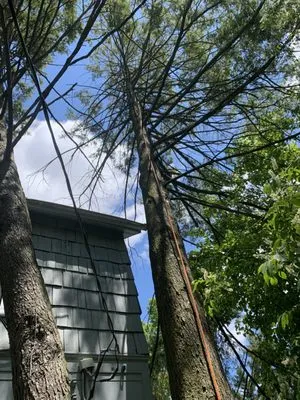
Stringfellow's Tree Service is a family-owned and operated business based in Amissville, serving the Washington, DC metropolitan area since 1997. Led by a certified arborist, our experienced team spec...
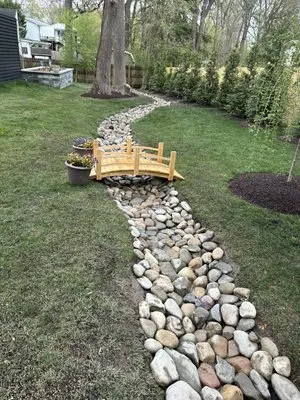
Hercules & Sons Landscaping is a trusted, family-owned business serving Manassas Park, VA, and the surrounding communities. Founded in 2015 with a deep foundation of over 18 years of industry experien...
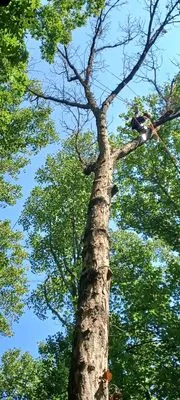
Ellis Outdoor Services, serving Culpeper, VA, for over 25 years, is a trusted, locally-owned business specializing in comprehensive tree and shrub care. Founded by an expert with hands-on experience i...
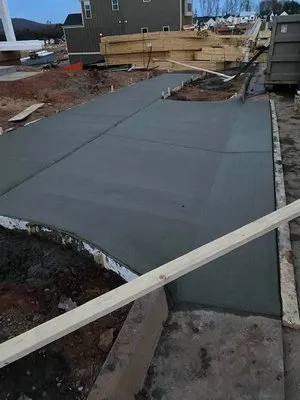
A.D Landscaping is a Tysons-based full-service landscaping company dedicated to building and maintaining beautiful, healthy outdoor spaces for Northern Virginia homes and businesses. We specialize in ...

Ace Landscaping is a locally owned and operated Fairfax company dedicated to transforming Northern Virginia properties into beautiful, functional outdoor spaces. Our team combines genuine passion with...
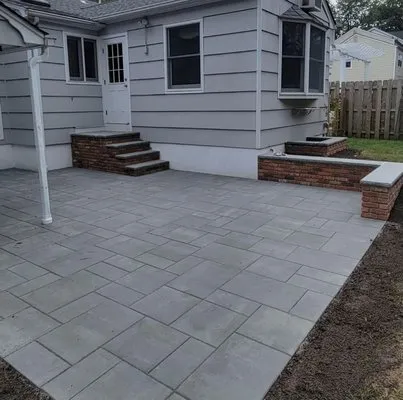
Joselara Landscaping, led by owner-operator Jose Lara, provides dependable lawn care and landscaping services to homeowners and businesses throughout Fairfax, VA. Our focus is on practical, lasting so...
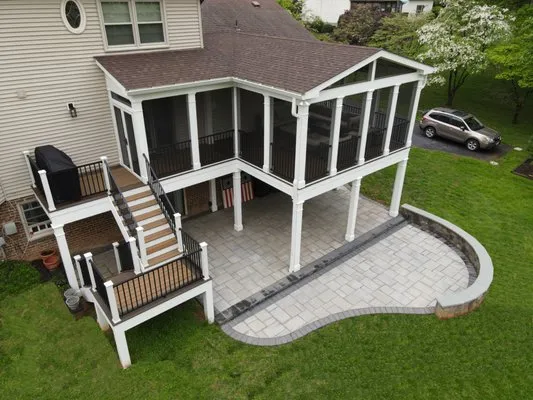
Deckscapes of Virginia
Deckscapes of Virginia is a licensed, family-owned outdoor living contractor serving Catharpin and Northern Virginia since 2006. We specialize in turning your backyard dreams into reality, offering a ...
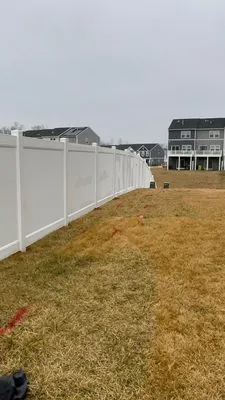
Universal Fence in Herndon, VA, is a locally owned and operated fencing contractor with over 15 years of experience serving Northern Virginia. Founded in the early 2000s by Jose, the company specializ...
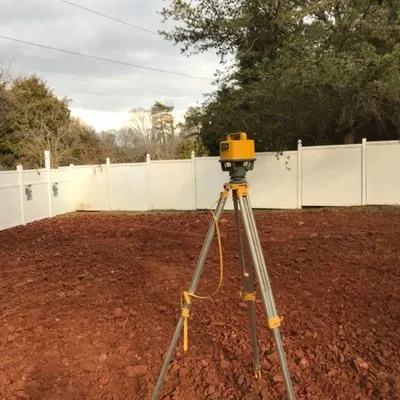
Founded in 2001, G & G Landscaping is a locally-owned and operated company serving Falls Church, VA, and the surrounding area. Our commitment is straightforward: to do the best work for every customer...
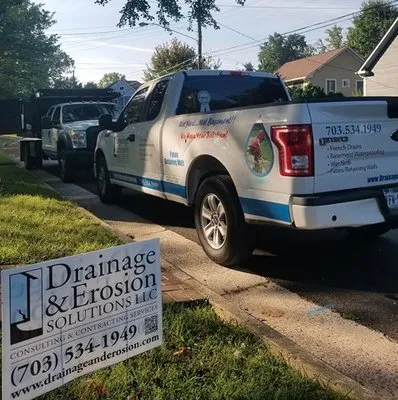
Drainage & Erosion Solutions
Drainage & Erosion Solutions (DES) is an award-winning design-build firm in Falls Church, VA, dedicated to resolving drainage and erosion problems for both homes and businesses. As a fully integrated ...
Estimated Landscaping Service Costs in Tysons, VA
Frequently Asked Questions
Can I maintain tall fescue turf during Stage 1 water restrictions?
Wi-Fi ET-based weather sensing irrigation systems optimize tall fescue health while respecting voluntary conservation measures. These controllers adjust runtime based on evapotranspiration data, reducing water use 20-30% compared to traditional schedules. Deep, infrequent watering encourages deeper root systems that better withstand drought stress. Municipal water limits prioritize early morning cycles when evaporation losses are minimal.
Are permeable pavers better than wood for patio longevity?
Permeable concrete pavers offer 25+ year lifespans versus wood's 10-15 years with regular maintenance. Their non-combustible nature supports Low Fire Wise ratings in urban-suburban interfaces by creating defensible space. Interlocking designs accommodate freeze-thaw cycles without heaving, crucial in USDA Zone 7b. Unlike wood, they resist insect damage and require only occasional joint sand replenishment for stability.
What solutions exist for persistent runoff issues in my yard?
Clay compaction in Tysons' acidic soils creates high runoff conditions that overwhelm conventional drainage. Permeable concrete pavers installed with 6-8 inches of open-graded aggregate base achieve 5-10 inches per hour infiltration rates. This approach meets Fairfax County Land Development Services' runoff reduction standards while preventing erosion. French drains connected to dry wells provide secondary capacity for extreme precipitation events.
What permits and licenses are needed for grading my 0.25-acre lot?
Grading exceeding 2,500 square feet on Tysons properties requires Fairfax County Land Development Services permits for erosion control and drainage plans. Virginia DPOR licensing mandates contractors hold Class A, B, or C licenses depending on project value, with specific endorsements for excavation work. Bonding requirements protect against improper slope creation that could affect neighboring properties. Inspections verify compliance with Chesapeake Bay Preservation Act sediment controls.
Should I replace traditional turf with native plantings?
Transitioning to Eastern Redbud, Purple Coneflower, Switchgrass, and Swamp Milkweed reduces maintenance frequency ahead of electric equipment mandates. These natives require no gas-powered blowers while supporting 2026 biodiversity targets through pollinator habitat. Established native plantings need only seasonal pruning and eliminate weekly mowing cycles. Their deep root systems improve soil structure and drought resilience compared to turf grasses.
How do I control invasive species without violating fertilizer rules?
Japanese stiltgrass and garlic mustard pose significant threats in Tysons' disturbed soils. Manual removal before seed set combined with targeted glyphosate applications during dry periods prevents spread. These methods avoid phosphorus-containing treatments restricted under the Chesapeake Bay Preservation Act. Fall applications of pre-emergent herbicides like mesotrione create barriers without impacting established natives' growth cycles.
How quickly can you respond to storm damage for HOA compliance?
Emergency cleanup crews dispatch from Tysons Corner Center via I-495, reaching Tysons West properties within 20-30 minutes during peak traffic. This response window accommodates immediate debris removal to meet HOA aesthetic standards. Electric chainsaws and chippers operate within Fairfax County's 7 AM-9 PM noise ordinance while processing fallen limbs. Documentation for insurance claims includes timestamped arrival photos and debris volume estimates.
Why does my Tysons West lawn struggle despite regular care?
Tysons West properties built around 1992 have 34-year-old soil profiles with acidic clay loam (pH 5.8-6.5) that has compacted over decades. This soil type restricts root penetration and water infiltration, creating anaerobic conditions. Core aeration combined with organic amendments like composted leaf mold addresses compaction while gradually adjusting pH. Soil testing every 3-5 years tracks nutrient availability changes in this mature landscape.
