Top Landscaping Services in Sterling, VA, 20163 | Compare & Call

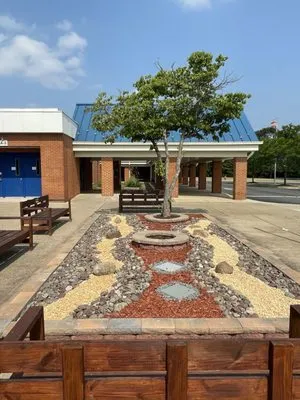
Ventura Landscaping is your trusted local partner for enhancing and maintaining your Sterling, VA property. We provide a full suite of professional landscaping and arborist services, from comprehensiv...
California Concrete
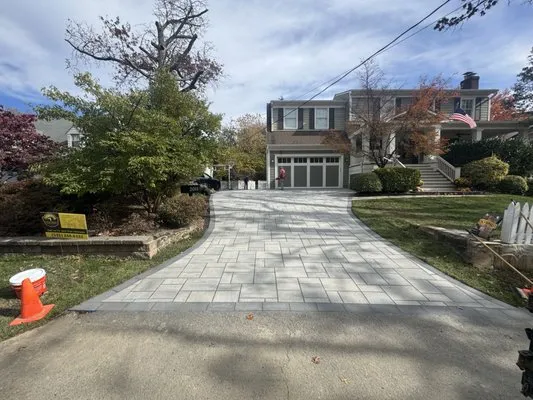
California Concrete is a family-owned masonry and landscaping company based in Sterling, VA, founded in 2019. We specialize in transforming Northern Virginia properties with durable concrete work, fun...
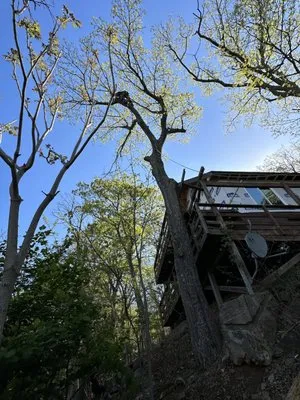
Bautista Landscaping is a trusted, family-owned lawn and tree service provider based in Sterling, Virginia, with over 15 years of dedicated service to the local community. We specialize in comprehensi...
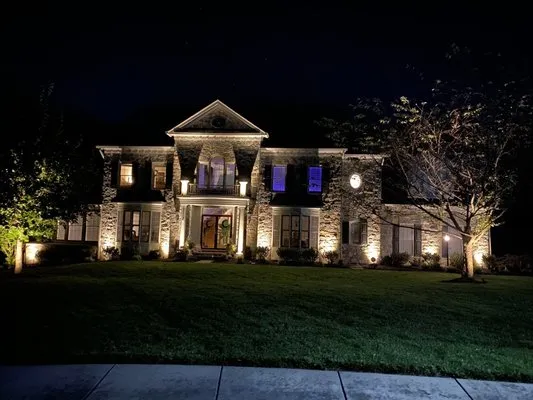
A's Irrigation System is a family-owned and operated business in Sterling, VA, founded seven years ago by Pamela and her husband. Built on honesty, fairness, and a genuine commitment to treating every...
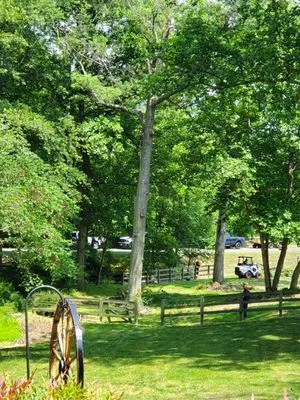
ADM Tree Services & Landscaping
ADM Tree Services & Landscaping is a fully licensed and insured Sterling, VA company with over 15 years of experience serving the Northern Virginia, Maryland, and Washington D.C. areas. We provide com...
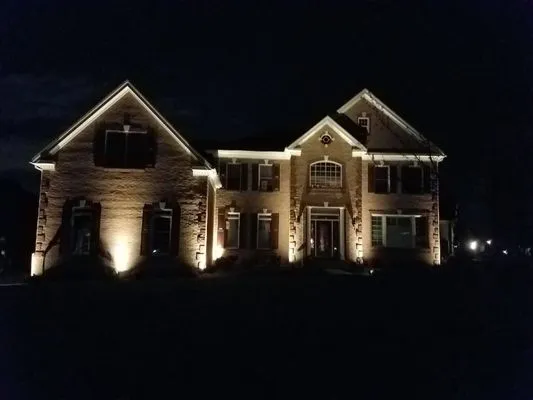
Community Landscape Services is a Sterling-based, family-founded company that has been a trusted part of the local landscape since 1993. Owner Bill DeWitt, with over 28 years of hands-on experience in...
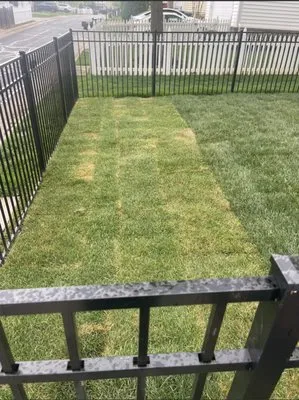
Campbell Lawn & Irrigation
Founded in 2009 as a family-operated lawn mowing service, Campbell Lawn & Irrigation has grown into a trusted, full-service provider for Sterling and the surrounding Fairfax and Loudoun County communi...
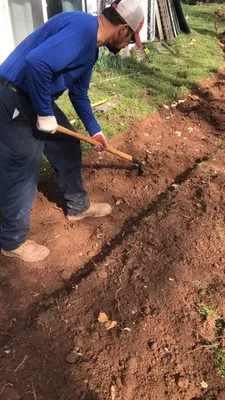
Centeno Landscaping is a family-owned and operated business proudly serving Sterling and the greater Northern Virginia area. Founded by Kevin and his father, we combine over a decade of hands-on exper...
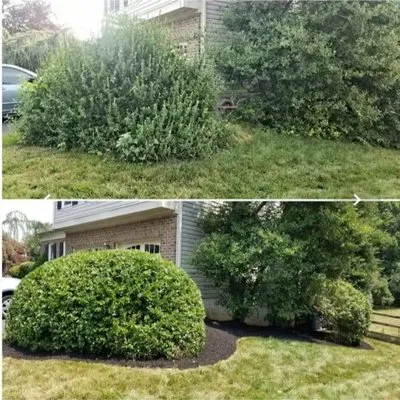
For over a decade, Bello Garcia Landscaping has been a trusted name for Sterling homeowners. Founded by Marcos Garcia, our work is driven by a genuine passion for horticulture and a commitment to trea...
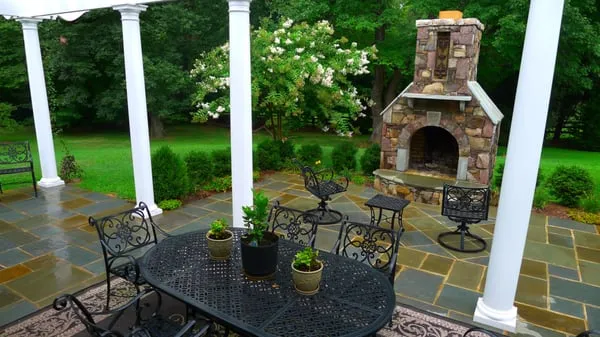
Great Falls Landscapes
Great Falls Landscapes is a landscape architecture firm serving Sterling, Virginia, and the broader Northern Virginia region for over 25 years. We specialize in creating complete outdoor environments,...
Questions and Answers
Our yard seems compacted and struggles to hold plants. Is this a Cascades neighborhood issue?
Properties in the Cascades, built around 1981, are now 45 years old. The soil profile has reached a state of maturity where the original construction-grade acidic clay loam has become heavily compacted from decades of foot traffic and standard maintenance. This compaction severely reduces soil percolation and root penetration. To restore soil health, core aeration followed by the incorporation of composted organic matter is essential to rebuild soil structure and improve water infiltration.
Our patio floods after every rain. What's the best long-term solution?
Persistent ponding indicates low infiltration rates inherent to Sterling's acidic clay loam. The engineered solution involves replacing impervious surfaces with permeable clay pavers over a graded aggregate base. This system captures and slowly infiltrates runoff, meeting Loudoun County's stormwater management standards. For severe cases, a subsurface French drain tied to a dry well may be required to manage water from the entire 0.22-acre lot effectively.
If a storm downs a tree, how quickly can a crew arrive for emergency cleanup?
An emergency dispatch for storm debris can typically be on-site within 25-35 minutes during peak hours. Crews routed from the Claude Moore Park area will take VA-28 directly into the Cascades community. This response window accounts for traffic and the time required to secure necessary safety equipment for a hazardous tree removal, ensuring a swift and compliant resolution for HOA or safety-critical situations.
How can I keep my Tall Fescue lawn green during summer without violating water restrictions?
An ET-based, Wi-Fi-enabled weather-sensing irrigation controller is the standard for Sterling. It calculates evapotranspiration (ET) rates, applying water only when needed, which aligns with municipal demand monitoring. This technology, combined with a deep-and-infrequent watering schedule, trains turf roots to grow deeper, increasing drought resilience. This system is designed to maintain Tall Fescue health while staying well within permitted water usage limits.
Are permeable clay pavers a better choice than composite decking for a new patio?
For longevity and stormwater compliance, permeable clay pavers are superior. They have a centuries-long lifespan, require no sealing or staining, and their inherent permeability directly addresses local drainage hazards. While composite decking is low-maintenance, it does not contribute to site infiltration. In Sterling's low Fire Wise rating context, non-combustible pavers also provide superior defensible space compared to wooden structures.
I want a lower-maintenance yard that's better for the environment. What should I plant?
Transitioning high-input turf to a landscape of Virginia natives like Eastern Redbud, Purple Coneflower, and Little Bluestem significantly reduces water, fertilizer, and maintenance needs. These plants are adapted to Zone 7b and the local clay soil, supporting pollinators and increasing biodiversity. This shift also future-proofs your property against potential tightening of noise ordinances, as electric equipment is quieter and often sufficient for native plant care.
Do I need a permit to regrade my backyard for better drainage?
Yes, significant grading on a 0.22-acre lot typically requires a permit from the Loudoun County Department of Building and Development to ensure compliance with erosion and sediment control regulations. Furthermore, this work must be performed by a contractor licensed by the Virginia DPOR. This licensing ensures the contractor carries required insurance and understands the local soil and watershed protections mandated by the Chesapeake Bay Act.
What are the most common invasive weeds here, and how do I treat them safely?
In Sterling, watch for invasive species like Japanese Stiltgrass and Mile-a-Minute vine. Manual removal before seed set is most effective. For chemical control, select herbicides must be applied according to the label and never during the blackout dates specified under the Chesapeake Bay Watershed Nutrient Management Act. A soil test is recommended first, as improving turf density through proper fertilization is the best defense against weed establishment.
