Top Landscaping Services in Stanleytown, VA, 24168 | Compare & Call
There are 52 landscaping companies server in Stanleytown VA
Ruben's Lawn Care in Collinsville, VA, is a dedicated local provider of lawn care and junk removal services. We understand the common landscaping challenges faced by homeowners in our community, such ...
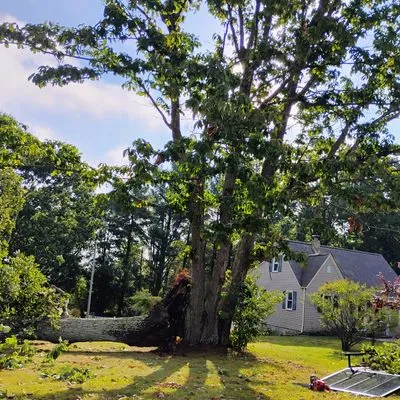
Scalla is your trusted partner for comprehensive tree and lawn care in Chatham, VA. We provide a full range of services, from routine lawn maintenance and tree planting to specialized care like diseas...
Perfect Touch Lawn Care is your Collinsville, VA neighbor for a healthier, more resilient lawn. We understand the common local challenges of tree root damage and uneven sprinkler coverage that can lea...

Don't Sweat It Lawn Care is a dedicated local lawn service provider in Bassett, Virginia, focused on creating and maintaining healthy, resilient lawns. We understand the common challenges Bassett home...
Hurleys Landscape is a trusted, family-owned landscaping company serving Bassett, VA, and the surrounding Henry County area. Specializing in comprehensive landscape maintenance and professional tree c...
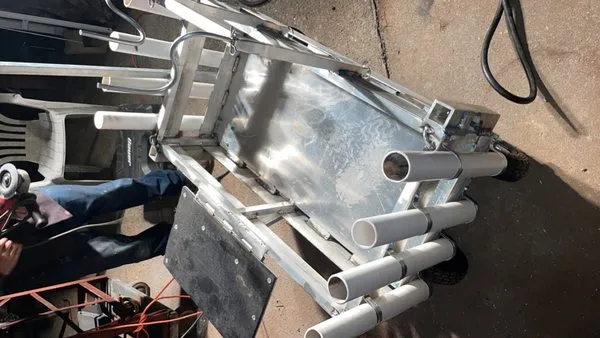
B&H Enterprise is a versatile, locally-owned business in Martinsville, VA, serving the community with expertise in landscaping, tree services, and metal fabrication. We understand that common issues l...
Coopers Restoration and Landscape Design is a trusted, full-service company serving Bassett and the surrounding Henry County area. We specialize in helping homeowners recover their outdoor spaces from...
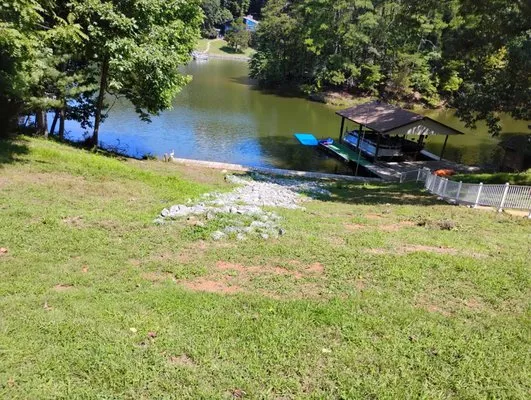
Jay Day Lawncare is your trusted local partner for maintaining a healthy, beautiful lawn in Penhook, Virginia. We specialize in comprehensive lawn care services designed to tackle the specific challen...
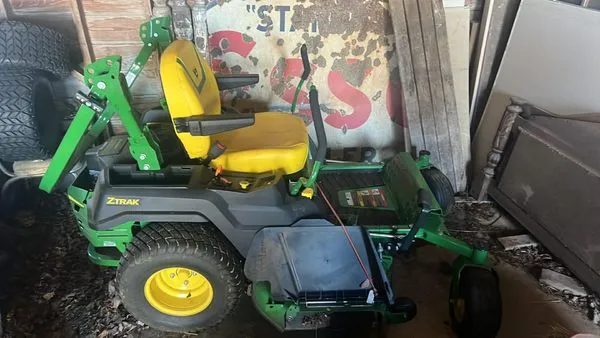
Forcier’s Lawn & Landscape
Forcier's Lawn & Landscape LLC is a locally owned and operated business serving the Stuart, Virginia community. We specialize in comprehensive outdoor solutions, including professional landscape and i...
Parsons General Services LLC is a locally owned and operated business in Stuart, ready to tackle your property projects. Founded by an owner with an Associate's degree in industrial welding and extens...
Estimated Landscaping Service Costs in Stanleytown, VA
Question Answers
My yard holds water for days after a rain. What's the best long-term fix for this soggy clay?
Seasonal saturation is characteristic of our acidic clay loam. The solution combines subsurface and surface strategies. Installing French drains or dry wells addresses subsurface flow, while regrading to create subtle swales directs surface runoff. Replacing solid concrete walkways with permeable concrete pavers or local fieldstone can significantly increase infiltration, helping your property meet Henry County Planning and Zoning Department's runoff management standards.
We want to regrade a sloped portion of our .45-acre lot. What permits and contractor qualifications should we look for?
Regrading that alters water flow typically requires an Erosion and Sediment Control plan approved by the Henry County Planning and Zoning Department. For a lot of this size, the earthmoving and potential impact on stormwater infrastructure mean the contractor must hold a valid Class A or Class B license from the Virginia DPOR. Always verify this license and request a certificate of insurance; it ensures the work meets state engineering and environmental standards.
How can I keep my Tall Fescue healthy during dry spells without violating water conservation guidelines?
Under normal voluntary conservation status, the key is precision watering. Smart Wi-Fi controllers paired with in-ground soil moisture sensors prevent irrigation cycles when the Ultisol clay is already saturated. This ET-based system applies water only when the Tall Fescue needs it, often in the early morning, minimizing runoff and staying well within municipal expectations. Deep, infrequent watering encourages deeper root growth, improving drought tolerance.
I'm tired of weekly mowing. Are there lower-maintenance, attractive alternatives to grass?
Transitioning high-input turf areas to a xeriscape with Virginia natives drastically reduces maintenance. A matrix of Switchgrass and Butterfly Milkweed, underplanted with Eastern Redbud and Flowering Dogwood trees, creates year-round interest with minimal water. This shift aligns with evolving noise ordinances restricting gas-powered blowers and mowers, as these plant communities require no mowing and little seasonal cleanup, supporting 2026 biodiversity goals.
I've spotted what looks like Japanese Stiltgrass. How should I handle invasive weeds here?
Japanese Stiltgrass is a high-priority invasive in Zone 7a. Manual removal before seed set in late summer is effective for small patches. For larger infestations, a targeted, professional-grade herbicide application may be necessary, but it must be scheduled outside of any blackout dates mandated by Virginia's Phosphorus Application Regulations (VA Code § 3.2-3600). Always pair removal with seeding native Switchgrass to outcompete future invaders.
A storm knocked down a large limb. What's your typical response time for emergency cleanup in my neighborhood?
For emergency HOA compliance or hazard removal in Stanleytown Heights, we dispatch from our central yard near Philpott Lake Dam. Using US-220, we can typically be on-site within 20-30 minutes during peak hours. Our fleet includes electric chippers and hauling vehicles designed to operate within the standard noise ordinance quiet hours (10 PM - 7 AM), allowing for extended work windows if needed.
My lawn seems thin and struggles every summer. Given the age of the homes here, is this a common issue with the soil?
Properties in Stanleytown Heights, with an average construction year of 1964, have 62-year-old landscaping soil. This Ultisol clay loam has likely become severely compacted over decades, reducing oxygen and water infiltration to roots. The natural acidic pH (5.5-6.2) is suitable for natives but can lock up nutrients for turf. Correcting this requires core aeration and incorporating composted organic matter to rebuild soil structure and biology.
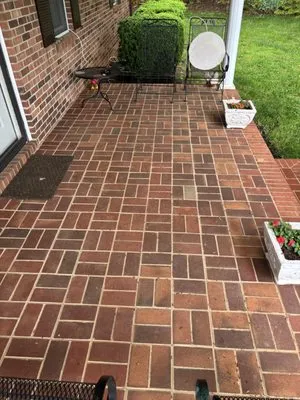
We're adding a patio. Is wood or stone a better choice for longevity and safety in our area?
Local fieldstone or concrete pavers are superior to wood for our climate. They offer permanence, require no chemical treatments, and won't rot or splinter. From a fire safety perspective, these non-combustible materials are critical for creating the defensible space recommended under Moderate Firewise USA Community Standards. A stone patio provides a durable, fire-resistant zone adjacent to the home, an important consideration for woodland-interface communities.
