Top Landscaping Services in Smithfield, VA, 23304 | Compare & Call
There are 215 landscaping companies server in Smithfield VA
Lefont Solutions LLC is a full-service design and construction company based in Portsmouth, VA. We specialize in creating and enhancing both indoor and outdoor living spaces, offering a comprehensive ...
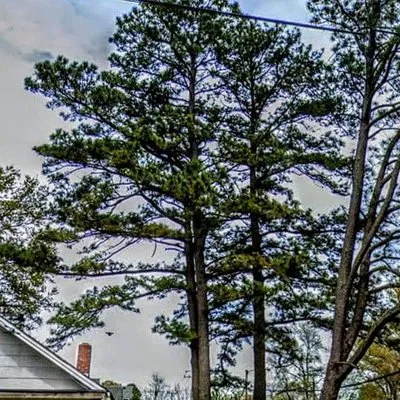
J&J Tree and Lawn is a full-service landscaping company proudly serving the Portsmouth, VA community. We specialize in both comprehensive tree care and expert lawn maintenance, offering a one-stop sol...
Dunndeal Landscaping Services is a Portsmouth-based company dedicated to enhancing and maintaining local outdoor spaces. We specialize in addressing common regional landscaping challenges, particularl...
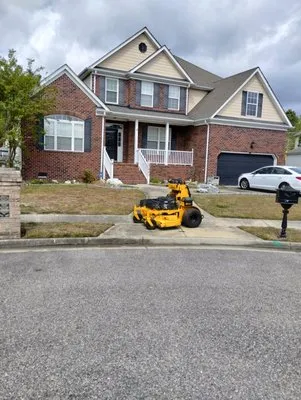
Extravagant Landscaping is a full-service landscaping company serving Portsmouth, VA. We specialize in solving common local yard problems, including standing water from poor drainage and overgrown, un...
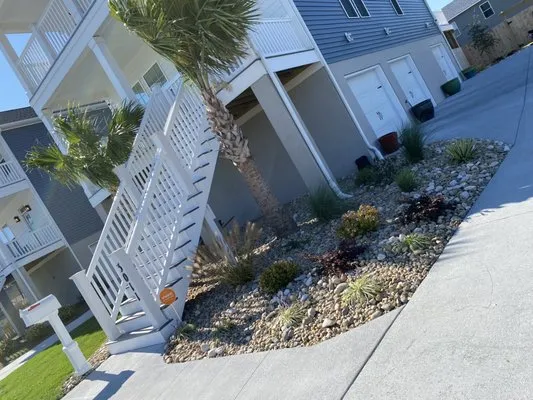
Gardenia Landscaping is a full-service landscaping company serving Norfolk, VA, specializing in transforming outdoor spaces with expertise in design, construction, and maintenance. We address common l...
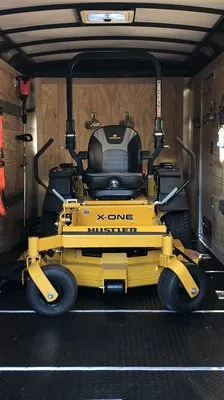
Chase N' Grass is your trusted, full-service property care provider in Portsmouth, VA. We offer comprehensive solutions that go beyond basic lawn maintenance to protect and improve your home inside an...
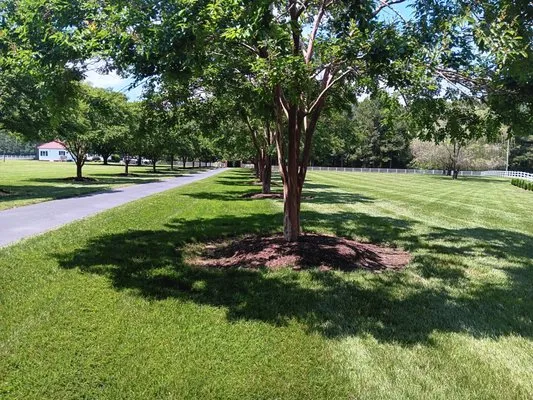
LW Lawn Service, owned and operated by Leotis Williams in Suffolk, VA, is a locally-focused lawn care provider built on reliability and personal attention. We believe in taking the time to understand ...
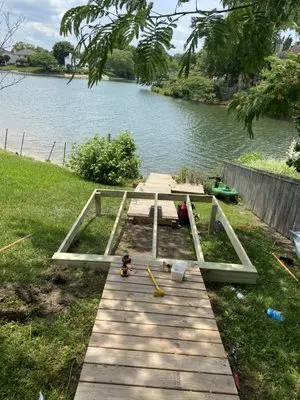
H&H Handyman Services is a trusted, locally-owned business in Suffolk, VA, with deep roots in the community. What began as a dedicated lawn and landscaping operation has naturally evolved into a compr...
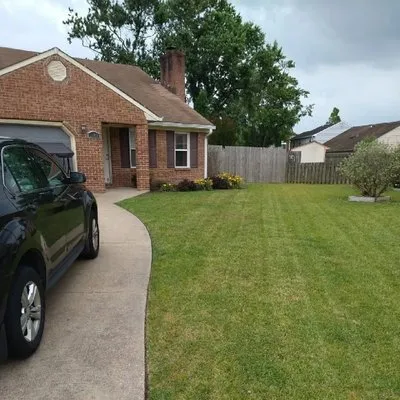
Blue Leaf Landscaping is a trusted local landscaping company serving homeowners throughout Chesapeake, VA. We specialize in comprehensive lawn care services designed to address the common local issue ...
ACME Restoration is your Suffolk, VA partner for creating beautiful, resilient outdoor spaces. We understand the local challenges homeowners face, like stubborn weeds in mulch beds and unsightly dead ...
Estimated Landscaping Service Costs in Smithfield, VA
Common Questions
Are permeable clay pavers a better long-term choice than wood for a new patio, considering fire safety?
Yes, permeable clay pavers offer superior longevity, stability, and fire resistance compared to wood. They are a non-combustible material, which contributes directly to creating defensible space as recommended for a Moderate Firewise USA Community rating. Their permeability also manages stormwater runoff. While the initial investment is higher, their lifespan of 50+ years with minimal maintenance offers a better lifecycle cost than wood, which requires regular sealing and replacement.
I want to reduce mowing and gas equipment noise. What are some lower-maintenance, native alternatives to grass?
Transitioning to a climate-adaptive xeriscape with regional natives is a forward-thinking strategy. Incorporate layers like Eastern Redbud and Sweetbay Magnolia for structure, with underplantings of Switchgrass, Purple Coneflower, and Swamp Milkweed. This diverse planting supports 2026 biodiversity standards, requires no weekly mowing, and minimizes irrigation. It also future-proofs your property against increasing restrictions on gas-powered blowers and mowers.
I want to regrade part of my 0.35-acre lot. What permits and contractor qualifications are required?
Any significant grading that alters water flow or involves cut/fill exceeding 18 inches typically requires a permit from the Isle of Wight County Planning & Zoning office. For the work itself, you must hire a contractor licensed by the Virginia DPOR for landscaping or land grading. This licensing ensures they understand soil mechanics, erosion control, and sediment barriers, which are legally mandated to prevent runoff into the Chesapeake Bay watershed from a property of this size.
How can I maintain a healthy Tall Fescue lawn while following the Stage 1 voluntary water conservation guidelines?
Wi-Fi ET-based weather-sensing irrigation is the key technology for compliance. These systems automatically adjust watering schedules based on real-time evapotranspiration data, applying water only when and where the turfgrass needs it. This method can reduce potable water use by 20-40% compared to traditional timers. For Tall Fescue in Zone 8a, deep, infrequent watering that encourages deep root growth is most effective and conserves the most water.
My lawn has compacted, thin soil. Is this a common issue for homes in the Historic District built in the early 90s?
Yes, this is a predictable soil condition. Lots developed around 1992 have approximately 34-year-old, immature soil profiles. Construction compaction and decades of standard lawn care have degraded the native Fine Sandy Loam structure. This soil type becomes dense over time, reducing percolation and root penetration. To restore health, we recommend core aeration and incorporating 1-2 inches of composted organic matter to rebuild porosity and microbial activity.
A major storm knocked down a large limb. How quickly can a crew arrive for emergency cleanup in the Historic District?
Our standard emergency dispatch targets a 20-30 minute arrival during peak response times. Crews are staged near the Smithfield Times Building and route via US-258 to access the district efficiently. This protocol ensures immediate hazard mitigation for wind or ice events, aligning with HOA compliance timelines for debris removal. All equipment is electric-compliant for operation within the 7 AM to 9 PM noise ordinance window.
My yard stays soggy for days after rain. What's the best long-term solution for poor drainage here?
A high water table combined with poor infiltration in Fine Sandy Loam is a common Smithfield drainage hazard. The primary solution is to improve subsurface permeability. Installing a French drain system tied to a dry well is effective. For hardscape areas, using permeable clay pavers instead of solid concrete meets Isle of Wight County Planning & Zoning runoff standards by allowing water to infiltrate on-site, reducing surface water pooling.
What invasive species should I watch for, and how do I remove them without harming the Chesapeake Bay?
Primary invasive alerts for this area include Japanese Stiltgrass, Chinese Privet, and English Ivy. Manual removal is always the first line of defense. For chemical treatment, you must use products with zero phosphorus and adhere to the Chesapeake Bay Watershed Nutrient Management Regulations. Application timing is critical to avoid blackout dates designed to protect water quality. Always confirm product labels and local ordinance dates before proceeding.
