Top Landscaping Services in Salem, VA, 24153 | Compare & Call
There are 202 landscaping companies server in Salem VA
Bryan Hoos Landscaping is a trusted, locally-owned landscaping company serving Vinton, VA, and the surrounding Roanoke Valley. We specialize in diagnosing and solving common local lawn problems, parti...

Samuel’s Property Services is your trusted local team in Salem, VA, dedicated to making your property cleaner and more inviting. We provide reliable landscaping, lawn care, and comprehensive junk remo...
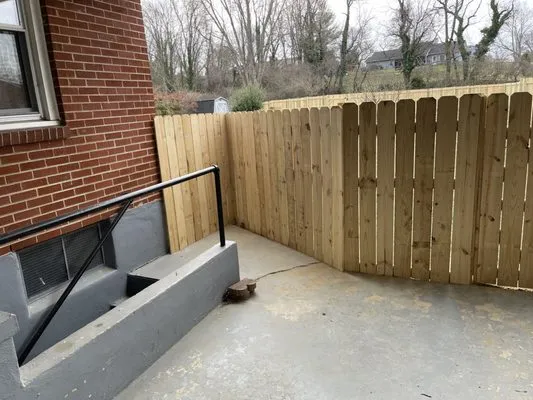
K9 Landscape in Vinton, VA, is your trusted local partner for landscaping, fencing, and gate solutions. We understand the common challenges Vinton property owners face, like persistent lawn fungus and...
Quality Landscaping And Maintenance is a Vinton-based landscaping company dedicated to solving common local homeowner challenges. We specialize in addressing lawn insect damage and sprinkler leaks—two...

Lawn Doctor of the Roanoke Valley
At Lawn Doctor of the Roanoke Valley, we're your neighbors in lawn care, dedicated to helping Roanoke, VA homes achieve a healthy, vibrant outdoor space. We understand the specific challenges of our a...
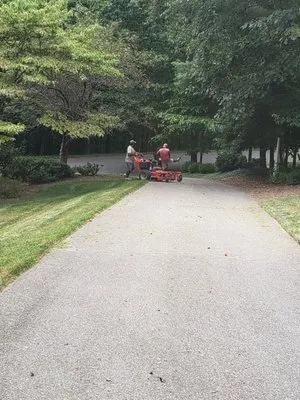
Verde Landscaping is a dedicated, locally-owned landscaping company serving the Vinton, VA community. We specialize in diagnosing and solving common local lawn challenges, particularly patchy grass an...
Spivey's Outdoor Solutions is a trusted, full-service outdoor maintenance company serving Roanoke, VA. We specialize in pressure washing, gutter services, and comprehensive lawn care to keep your prop...
Lawn Foster LLC is a Roanoke-based lawn care company built on a genuine passion for cultivating healthy, vibrant outdoor spaces. We view our work as more than just a service—it's a commitment to the w...
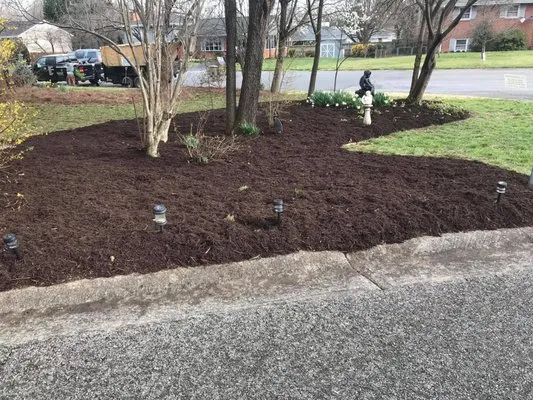
TS Landscaping is a locally owned Salem, VA company established in 2016, bringing over 15 years of combined experience to residential and commercial properties throughout the Roanoke area. We speciali...
Hallz Landscaping is a trusted local landscaping company serving Salem, VA, and the surrounding Roanoke Valley. We specialize in diagnosing and fixing common area lawn problems like bare patches and p...
Estimated Landscaping Service Costs in Salem, VA
Questions and Answers
Do I need a permit to regrade my backyard, and who is legally allowed to do the work?
Yes. Significant regrading on a 0.25-acre lot that alters stormwater flow requires review and likely a permit from Salem Planning and Development. The work must be performed by a contractor licensed by the Virginia DPOR for landscaping or building. This ensures compliance with state sediment and erosion control standards, protects you from liability, and guarantees the work meets professional codes for long-term stability and drainage function.
Are concrete pavers or a wooden deck better for my patio?
Concrete pavers or natural fieldstone offer superior longevity and lower lifetime maintenance than wood in our climate. They are non-combustible, which directly supports creating the defensible space required in Salem's Moderate Wildland-Urban Interface (Fire Wise) rating. A properly installed paver patio also maintains soil permeability for drainage and will not rot, warp, or require frequent sealing like timber structures.
Why is my lawn always compacted and thin, even with regular care?
South Salem properties established around 1972 have soils with over 50 years of maturation. The native acidic clay loam ultisol, with its fine particles, is prone to severe compaction from decades of foot traffic and standard maintenance. This reduces soil percolation and oxygen for roots. Core aeration and incorporating composted organic matter are necessary annual amendments to improve structure and biological activity in this aged soil profile.
My yard gets soggy and stays wet for days after rain. What's the fix?
Seasonal saturation is typical for our clay loam soils with moderate runoff. The solution integrates grading and permeable hardscape. Installing a dry creek bed with natural fieldstone or using permeable concrete pavers for patios creates channels for surface water to infiltrate. These features, when designed to meet Salem Planning and Development runoff standards, redirect water away from foundations and reduce long-term soil saturation.
What are the biggest weed threats and how do I deal with them safely?
Invasive species like Japanese stiltgrass and mile-a-minute vine are primary alerts. Manual removal before seed set is most effective. For persistent issues, targeted spot treatments with EPA-registered herbicides must be applied strictly according to the Virginia Nutrient Management Regulations, avoiding blackout dates near waterways. Promoting dense native plantings is the best long-term defense, as they outcompete invaders and build resilient soil biology.
Can you respond quickly for an urgent HOA violation notice?
Yes. For emergency cleanup or compliance in South Salem, our dispatch from the Salem Civic Center uses I-81 for direct access. This routing allows a confirmed 15-25 minute peak response time. We coordinate en route to ensure crews arrive with appropriate equipment—including battery-powered units for early morning work—to address the notice immediately and within local ordinance windows.
How can I keep my Tall Fescue healthy if summer water restrictions come back?
A Wi-Fi ET-based irrigation system is the precise solution. It automatically adjusts runtime by calculating daily evapotranspiration using local weather data, applying only the water your fescue actually uses. This prevents overwatering, encourages deeper drought-tolerant roots, and keeps you well within any future municipal limits. Properly managed, this technology can reduce outdoor water use by 20-30% while maintaining turf viability.
I want a beautiful yard that needs less mowing and gas-powered upkeep.
Transitioning high-maintenance turf to a landscape anchored by Virginia natives like Eastern Redbud, Switchgrass, and Purple Coneflower is the forward-looking strategy. These plants are adapted to our zone 7a climate and acidic soil, requiring no fertilizer, minimal water once established, and little to no mowing. This shift preemptively complies with tightening noise ordinances by eliminating weekly gas mower use and supports 2026 biodiversity targets.
