Top Landscaping Services in Plum Creek, VA, 24073 | Compare & Call
There are 179 landscaping companies server in Plum Creek VA
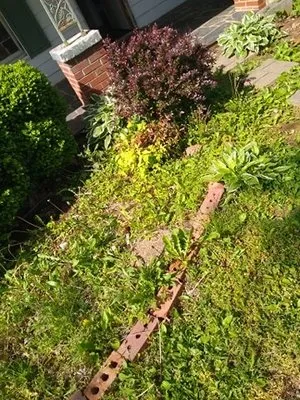
Hamlett's Landscaping provides professional lawn care and property maintenance services for homeowners in Elliston, VA. We understand the common local challenges of weed infestation and lawn fungus di...
Tyler Dickerson Hauling and Landscaping is a trusted, locally-owned service in Christiansburg, VA, providing essential junk removal and yard care solutions. Many area homes face specific challenges li...
5T Lawncare provides professional lawn care services in Floyd, VA. We understand that many local properties face challenges with standing water and poor drainage, which can lead to lawn damage and mos...
Hoover's Landscaping has been a trusted name in Christiansburg, VA, for professional landscaping and tree care. We specialize in comprehensive landscape maintenance and expert tree services designed t...
Highrock Hill Lawn and Landscape, LLC is a locally owned and operated landscaping company serving Pilot, VA, and the surrounding communities. We specialize in comprehensive lawn care and property main...
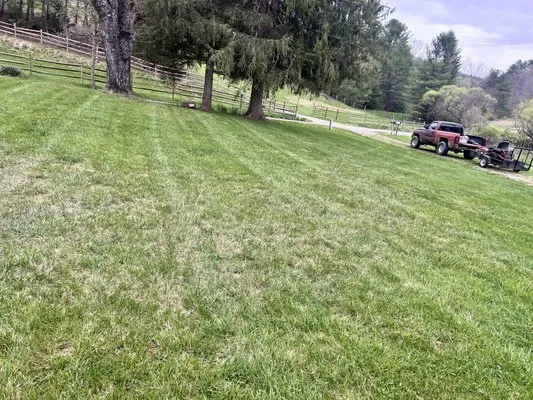
Akers Lawns is a trusted, local lawn care provider serving the Riner, VA community. We specialize in addressing common local landscaping challenges, such as overgrown shrubs that block walkways and tr...
Go-Green Handyman Services is a trusted local provider in Christiansburg, VA, specializing in landscaping and general handyman solutions. We focus on practical, eco-friendly approaches to common yard ...
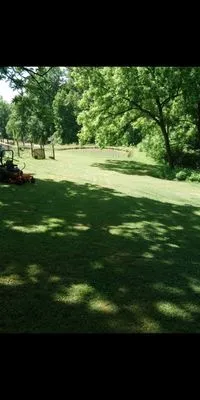
Rigneys Lawncare is a trusted local lawn service provider serving Cana, VA, and surrounding areas. We specialize in comprehensive lawn care solutions designed to address common landscaping challenges ...
Holt's Landscaping has been a trusted provider for Vinton, Roanoke, Salem, and surrounding communities for many years. We focus on delivering reliable, high-quality landscaping services that prioritiz...
Estimated Landscaping Service Costs in Plum Creek, VA
Frequently Asked Questions
How can I maintain healthy Tall Fescue turf while respecting Plum Creek's water conservation measures?
Stage 1 voluntary conservation in Plum Creek requires efficient water use. Smart Wi-Fi weather-based controllers using ET (evapotranspiration) data automatically adjust irrigation schedules based on local weather conditions. This technology delivers precise watering to Kentucky-31 or Turf-Type Tall Fescue, typically reducing water usage 20-30% while maintaining turf health. Programming deep, infrequent watering during early morning hours maximizes absorption and minimizes evaporation losses.
What solutions work best for the spring runoff and saturated subsoil problems in my yard?
Acidic clay loam soils in Plum Creek have slow permeability, creating high runoff during spring saturation. Installing French drains or dry creek beds directs water away from structures. Permeable concrete pavers for patios or walkways allow 30-50% of rainfall to infiltrate naturally, reducing runoff volume. These solutions often meet Plum Creek Department of Planning and Community Development runoff standards while improving yard usability during wet periods.
Why does my Old Town Plum Creek yard have such compacted, poor-draining soil?
Properties in Old Town Plum Creek were typically developed around 1991, giving the soil 35 years of maturation. Ultisols, the acidic clay loam common here with pH 6.2, naturally compact over decades under routine maintenance and foot traffic. This reduces pore space, limiting water infiltration and root growth. Annual core aeration in early fall, combined with top-dressing compost, is essential to improve soil structure and biological activity in these established landscapes.
How quickly can you respond to an emergency storm cleanup to meet HOA compliance deadlines?
For urgent storm response in Old Town Plum Creek, our electric fleet can dispatch from Plum Creek Historic Plaza. Taking I-81 allows efficient access, with arrival typically within 25-35 minutes during peak conditions. This rapid response minimizes debris hazards and helps properties meet HOA visual standards quickly. We prioritize safety and compliance while adhering to noise ordinance hours for equipment operation.
How should I handle invasive species without violating local fertilizer regulations?
Common invasive alerts in Zone 7a include Japanese stiltgrass and English ivy, which outcompete natives. Manual removal before seed set is most effective for small infestations. For larger problems, targeted herbicide applications in early growing seasons avoid the November-March blackout period when phosphorus fertilizers are prohibited for established turf. Always identify invasives positively through Virginia Cooperative Extension before treatment to protect desirable plants and soil biology.
What low-maintenance alternatives to traditional turf make sense with upcoming equipment restrictions?
Transitioning high-maintenance turf areas to native plantings like Eastern Redbud, Milkweed, Black-Eyed Susan, and Switchgrass reduces maintenance needs significantly. These adapted species require minimal watering once established and support local pollinators. This approach aligns with evolving noise ordinances restricting gas-powered equipment hours while creating habitat corridors. Native landscapes typically need only seasonal attention rather than weekly mowing from April through October.
What licensing and permits are needed for grading work on my 0.35-acre property?
Grading that alters water flow or involves significant earth movement requires permits from Plum Creek Department of Planning and Community Development. Virginia DPOR licensing is mandatory for contractors performing this work, ensuring proper training in erosion control and stormwater management. On 0.35-acre lots, even modest grading can impact neighborhood drainage patterns, making professional oversight crucial. Always verify contractor credentials through DPOR's online database before commencing work.
Are permeable pavers really better than wood decking for longevity and fire safety?
Permeable concrete pavers offer superior longevity to wood, typically lasting 25+ years versus wood's 10-15 years with maintenance. Their non-combustible nature supports Plum Creek's Moderate Firewise USA Tier 2 rating by creating defensible space around structures. Unlike wood, pavers don't require chemical treatments that can leach into soil. Their permeability also manages stormwater runoff more effectively than solid surfaces, addressing local drainage concerns.
