Top Landscaping Services in Occoquan, VA, 22125 | Compare & Call
There are 164 landscaping companies server in Occoquan VA
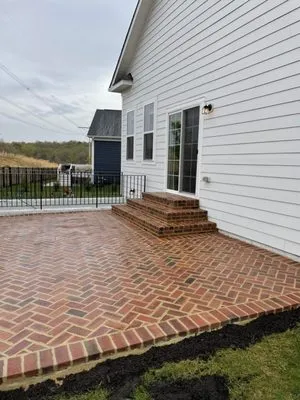
Hanover Landscapes & Masonry
Hanover Landscapes & Masonry is a locally owned and operated business serving Midland, Virginia, and the surrounding area. Owner Richard began his journey in construction and design working alongside ...
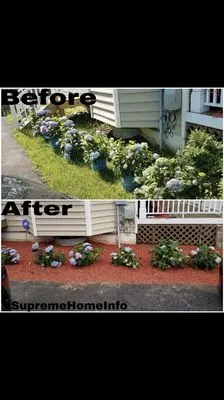
Supreme Home Services is a Manassas-based company founded in 2018 by local professionals with years of experience in the landscaping industry. We specialize in comprehensive outdoor care, including la...
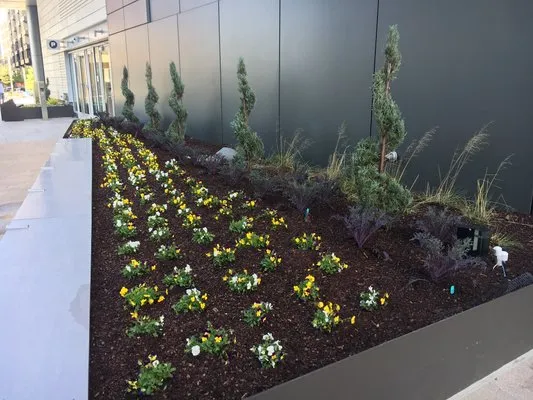
Walter Gutierrez is a trusted, full-service landscaping and construction company serving Manassas Park, VA. We specialize in transforming outdoor spaces and building lasting structures, from foundatio...
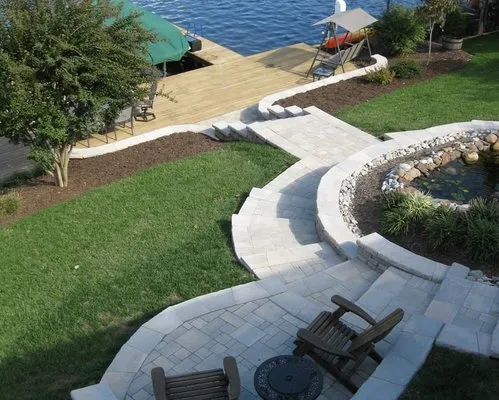
Artscapes
Artscapes is a Fredericksburg, VA-based landscaping and deck specialist dedicated to transforming local outdoor spaces. We understand that many area homeowners struggle with patchy lawns and weed-infe...

JL Landscaping is a full-service landscaping company serving homeowners in Manassas, VA, and the surrounding area. We specialize in both the construction and care of beautiful, functional outdoor spac...
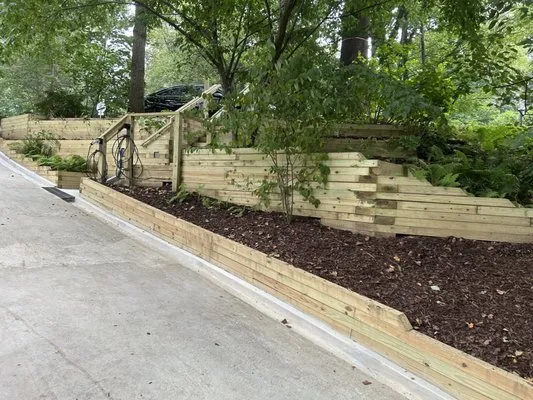
Alberto Patio Design is a trusted West Springfield, VA landscaping company specializing in comprehensive outdoor solutions. We help local homeowners maintain beautiful, functional yards with services ...
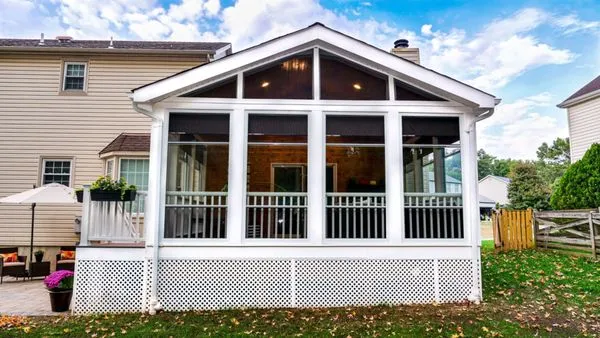
Hemax Construction Services & Landscaping
Hemax Construction Services & Landscaping LLC has been a trusted partner for Sterling and Northern Virginia homeowners for over 15 years. We specialize in transforming outdoor spaces through comprehen...
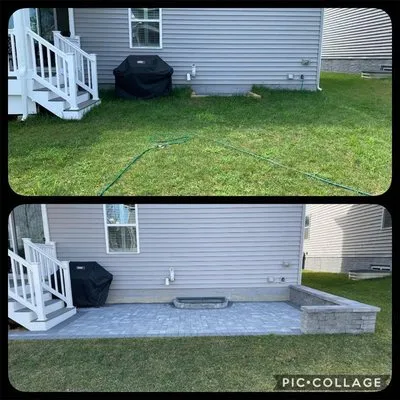
For over 15 years, our family-founded company has served the Manassas Park community with a full range of concrete and landscaping solutions. We specialize in creating durable patios and driveways, bu...
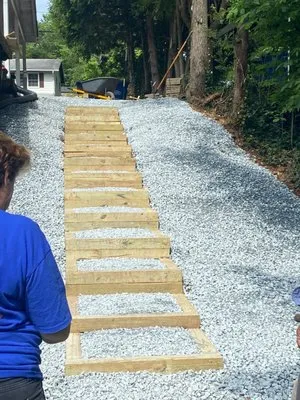
The W&E Solutions is a trusted, full-service excavation and landscaping company serving Leesburg, VA, and the surrounding areas. We specialize in a comprehensive range of services, including excavatio...
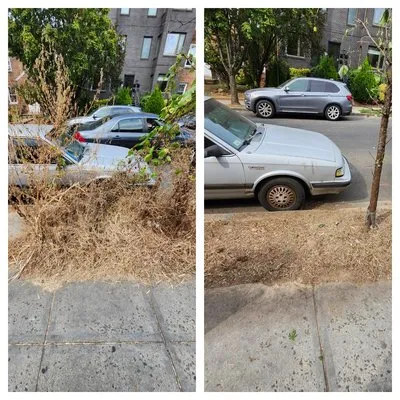
Lyonhart Services is a trusted local provider in Falls Church, VA, specializing in comprehensive landscaping, junk removal, and hauling solutions. With expertise in everything from appliance disposal ...
Estimated Landscaping Service Costs in Occoquan, VA
Common Questions
What solutions address the severe erosion problems on our steep Occoquan properties with acidic soils?
Steep topography combined with acidic Ultisols creates high erosion risk through increased surface runoff and reduced infiltration. Permeable clay brick pavers installed with proper base materials achieve 80-90% permeability rates, meeting Town of Occoquan Planning Department runoff standards. These systems should incorporate French drains or dry wells to manage concentrated flow paths, with native groundcovers stabilizing slopes between hardscape elements. Grade breaks and terraced planting beds interrupt water velocity while increasing absorption time. All drainage work requires engineered plans showing how the system handles 25-year storm events without contributing to downstream flooding.
How quickly can you respond to emergency storm damage cleanup for HOA compliance in our neighborhood?
Our electric maintenance fleet can dispatch from Occoquan Riverfront Park within 15 minutes of notification, using I-95 access to reach Historic Occoquan properties. During peak storm conditions, arrival typically occurs within 35-50 minutes depending on traffic patterns and debris volume. We prioritize safety assessments before beginning cleanup operations, focusing on removing hazardous limbs and clearing access routes first. The electric equipment operates quietly within the 9 PM to 7 AM noise ordinance restrictions, allowing for extended work windows when necessary. All debris is processed according to Town of Occoquan yard waste regulations.
What native planting strategies reduce maintenance while preparing for tighter noise and emission regulations?
Transitioning from high-maintenance turf to layered native plantings creates resilient landscapes that require minimal intervention. Eastern Redbud and Flowering Dogwood provide canopy structure, while Switchgrass offers erosion control and winter interest. Swamp Milkweed and Joe Pye Weed support pollinator populations with extended bloom periods. These deep-rooted natives access subsoil moisture, reducing irrigation needs by 60-70% compared to traditional lawns. The transition aligns with evolving noise ordinances by eliminating gas-powered blowers for leaf management, as native systems create self-mulching ecosystems. Electric maintenance equipment handles any necessary pruning without violating decibel restrictions.
How can I maintain healthy Tall Fescue turf while respecting Occoquan's Stage 1 water conservation measures?
Wi-Fi ET-based weather sensing irrigation systems calculate actual evapotranspiration rates using local weather data, applying water only when soil moisture deficits occur. This technology typically reduces water usage by 20-30% compared to traditional timer-based systems while maintaining turf health. Programming should follow the 1-inch per week guideline for Tall Fescue during active growth periods, with deeper, less frequent watering to encourage root development. The system automatically adjusts for rainfall events and seasonal changes, ensuring compliance with voluntary conservation measures. Regular audits of distribution uniformity prevent runoff and overspray onto impervious surfaces.
How do I manage invasive species like Japanese Stiltgrass without violating Chesapeake Bay fertilizer regulations?
Japanese Stiltgrass (Microstegium vimineum) presents particular challenges in acidic Ultisols where it outcompetes native vegetation. Manual removal before seed set in late August is most effective, followed by pre-emergent applications of corn gluten meal during early spring soil warming. These organic approaches avoid phosphorus inputs restricted under Chesapeake Bay Watershed Nutrient Management Regulations. For established infestations, targeted spot treatments with vinegar-based herbicides during dry periods prevent runoff into the Occoquan River watershed. Always check the Virginia Department of Agriculture's blackout dates for any treatment applications near waterways. Replanting with aggressive natives like Switchgrass helps prevent reinfestation.
What permits and licensing are required for regrading work on our 0.22-acre Historic Occoquan lot?
The Town of Occoquan Planning Department requires erosion and sediment control plans for any grading disturbing more than 2,500 square feet, with additional permits needed for work within 100 feet of the Occoquan River. Virginia DPOR licensing mandates that contractors performing grading operations hold either a Class A, B, or C license depending on project value, with specific endorsements for excavation work. On 0.22-acre lots, even modest regrading often triggers these requirements due to proximity to waterways and steep slopes. Licensed professionals carry insurance covering subsurface utility strikes and slope failure liabilities that DIY approaches cannot address. Always verify current license status through DPOR's online database before contracting services.
Why does my Historic Occoquan yard have such compacted, acidic soil that struggles to support healthy turf?
Properties in Historic Occoquan built around 1990 have 36-year-old soil profiles that have undergone significant compaction from decades of foot traffic and equipment use. The naturally acidic Ultisols (pH 5.5-6.2) in this area have become increasingly impermeable over time, limiting root penetration and water infiltration. Core aeration with organic amendments like composted leaf mold is essential to improve soil structure and microbial activity. This process addresses the low pH while increasing cation exchange capacity for better nutrient availability. Regular soil testing every 2-3 years helps monitor pH adjustments and organic matter content.
Why choose permeable clay brick pavers over wood decking for our sloped Occoquan property with fire concerns?
Permeable clay brick pavers offer superior longevity with 50+ year lifespans compared to wood's 15-25 year replacement cycle in our humid climate. Their non-combustible nature contributes to defensible space requirements in Moderate Wildland-Urban Interface zones, reducing fire ladder potential. The installation creates stable, level surfaces on slopes while managing runoff through joint infiltration rather than contributing to erosion. Clay's thermal mass moderates surface temperatures, reducing heat island effects common with synthetic materials. Maintenance involves occasional joint sand replenishment rather than the annual sealing or staining required for wood structures. Properly installed systems meet ADA accessibility standards while withstanding freeze-thaw cycles.
