Top Landscaping Services in Newington, VA, 22079 | Compare & Call
There are 171 landscaping companies server in Newington VA
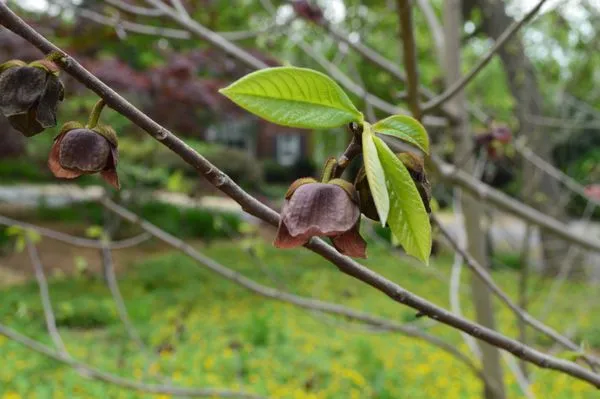
Founded in 2005 by Danylo, Organic Edible Gardens is a sustainable landscape design, construction, and maintenance company serving Arlington, VA, and the wider DC Metro area. With certifications in or...
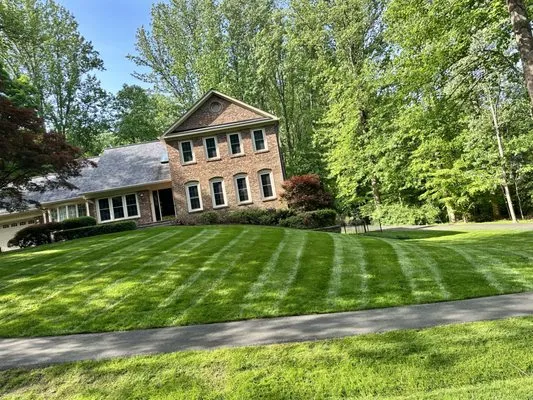
Rickys Lawn and Landscaping Services
Ricky's Lawn and Landscaping Services, established in 2012, is a licensed, family-operated business serving Springfield, VA, and the greater DC metro area. With over 18 years of combined experience, w...

B.Hernandez Landscape
B.Hernandez Landscape is a trusted landscaping and hardscaping company serving Sudley Springs, VA, with over 27 years of experience. Led by Benito, the team specializes in creating durable and attract...

Fredys Hauling is your trusted Annandale, VA partner for junk removal, hauling, and landscaping. We specialize in clearing out unwanted items, from old appliances and furniture to construction debris ...
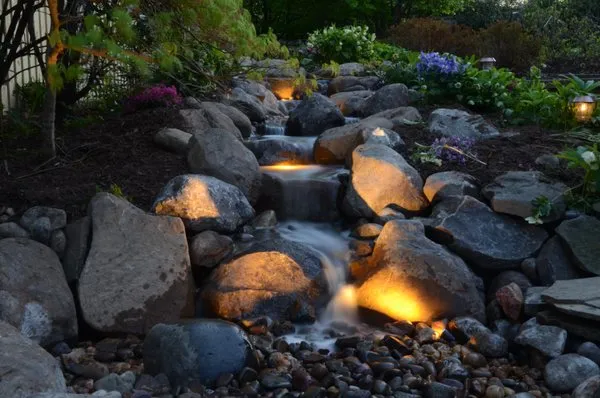
NOVA Ponds is a trusted, full-service pond company based right here in Arlington, VA. As local residents and a Certified Aquascape Contractor, our team specializes in designing, installing, cleaning, ...
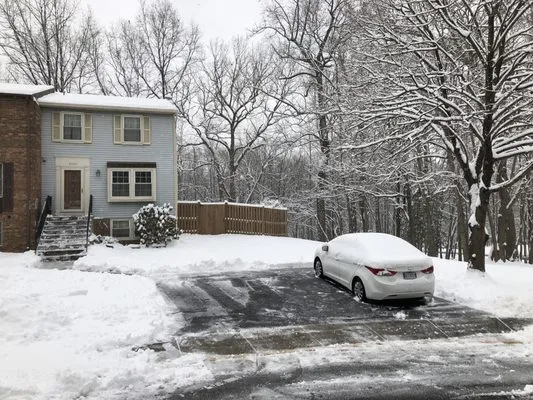
I'll Take Care Of That is your trusted, local Alexandria partner for a wide range of property maintenance needs, from junk removal and hauling to comprehensive landscaping and snow removal. We underst...

Greenstreet Gardens
Greenstreet Gardens is Alexandria's locally-owned garden center and landscaping partner, founded by Ray and Stacy Greenstreet. Ray's horticultural journey began at age 13, leading him to formal educat...
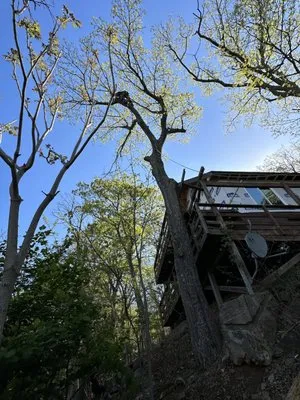
Bautista Landscaping is a trusted, family-owned lawn and tree service provider based in Sterling, Virginia, with over 15 years of dedicated service to the local community. We specialize in comprehensi...
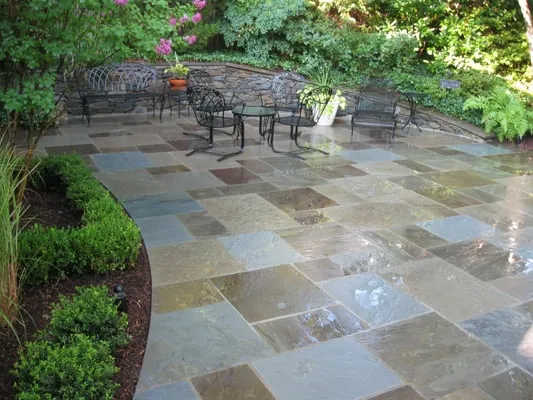
Custom Stonescaping
Founded in 1994 by Jeff Reynolds, Custom Stonescaping LLC has been the trusted, original stonescaper in Northern Virginia for three decades. Jeff, a Virginia Tech graduate and former Fairfax County te...
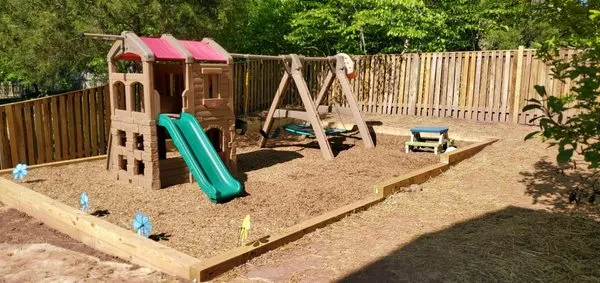
Landscape and Drainage Services in Alexandria, VA was founded by professionals with deep experience from regional and national landscape construction firms. Choosing quality over quantity, we prioriti...
Estimated Landscaping Service Costs in Newington, VA
FAQs
How quickly can you respond for an urgent storm debris cleanup to meet HOA compliance?
For emergency cleanup, our dispatch from the Newington VRE Station uses I-95 to service Newington Forest, with a peak storm response window of 25-40 minutes. We coordinate with county debris removal schedules to ensure compliance. Our electric fleet operates quietly within Fairfax County's 7am-9pm noise ordinance decibel limits, allowing for immediate, non-disruptive work.
Why does the soil in my yard seem so compacted and dense?
Newington Forest homes, with an average construction year of 1982, have soil that is 44 years post-development. Original topsoil was stripped during building, leaving dense, acidic Ultisols with high clay content. This soil profile inhibits root penetration and water percolation, leading to the compaction you observe. A core aeration and application of composted organic matter are required to rebuild soil structure and adjust pH toward a more neutral range.
Water pools near my foundation after heavy rain. What's the long-term solution?
Localized pooling is a direct result of Newington's high-clay Ultisols, which have very low permeability. Installing a French drain or dry creek bed can intercept surface flow. For new hardscapes, specify permeable concrete pavers, which meet Fairfax County's stormwater runoff standards by allowing infiltration. These systems mitigate hydrostatic pressure against the foundation and correct the site's drainage hazard.
I want a lower-maintenance yard that's quieter and supports pollinators. What should I plant?
Transitioning to a landscape anchored by Virginia natives like Eastern Redbud, Switchgrass, Purple Coneflower, and Swamp Milkweed significantly reduces water, mowing, and chemical inputs. This xeriscape approach is inherently climate-adaptive. It also future-proofs your property against evolving noise ordinances that restrict gas-powered blowers, as these plant communities thrive with minimal disturbance and create critical habitat.
Do I need a permit to regrade my backyard, and what kind of contractor should I hire?
Yes, regrading a 0.35-acre lot typically requires a permit from the Fairfax County Department of Planning and Development to ensure proper stormwater management. The contractor must hold a valid license from the Virginia DPOR for landscaping or excavation. This licensing ensures they understand state erosion and sediment control laws, which are strictly enforced within the Chesapeake Bay watershed.
What are the most aggressive invasive plants here, and how do I remove them safely?
Invasive species alerts for Zone 7b include Japanese Stiltgrass, English Ivy, and Mile-a-Minute Vine. Manual removal or targeted, organic herbicide applications during specific growth stages are most effective. All treatments must comply with the Chesapeake Bay Watershed Nutrient Management Regulations, avoiding phosphorus-based products and adhering to seasonal application blackout dates to protect local waterways.
Are permeable pavers a better choice than wood for a new patio?
Permeable concrete pavers offer superior longevity and functionality compared to wood in this climate. Their interlocking design manages stormwater on-site, a key county requirement. They also contribute to a Firewise defensible space in this Moderate Interface Zone, as they are non-combustible. While the initial cost is higher, their lifespan and low maintenance provide a greater return on investment.
How do I keep my Tall Fescue lawn green during summer without violating water restrictions?
Under Stage 1 water restrictions, efficient irrigation is critical. A Wi-Fi ET-based weather-sensing controller calculates evapotranspiration rates, applying water only when needed. This system precisely hydrates the Tall Fescue root zone, preventing wasteful runoff from the area's clay soil. This method can reduce municipal water use by 20-30% while maintaining turf health through peak summer heat.
