Top Landscaping Services in Midlothian, VA, 23113 | Compare & Call
There are 184 landscaping companies server in Midlothian VA
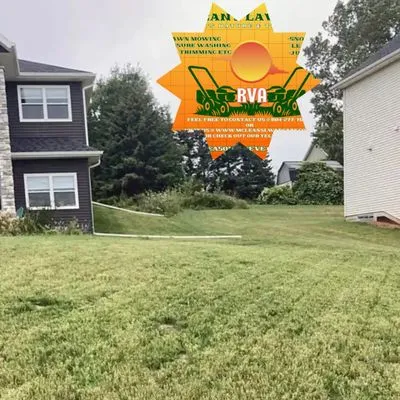
Mclean's Lawn Care provides professional lawn maintenance for Richmond, VA, homes and businesses. Our core service focuses on keeping your lawn healthy and neatly presented through regular mowing, pre...
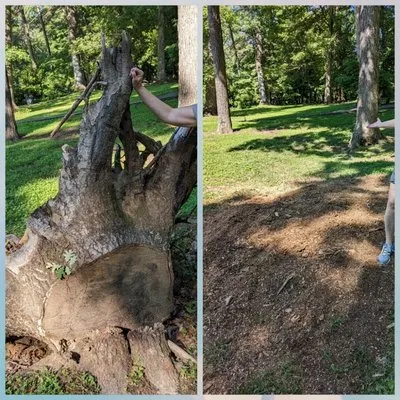
Franklin Stump Grinding is a family-owned landscaping and tree service business serving North Chesterfield, VA since 2020. We specialize in stump grinding and removal of unwanted vegetation and roots,...
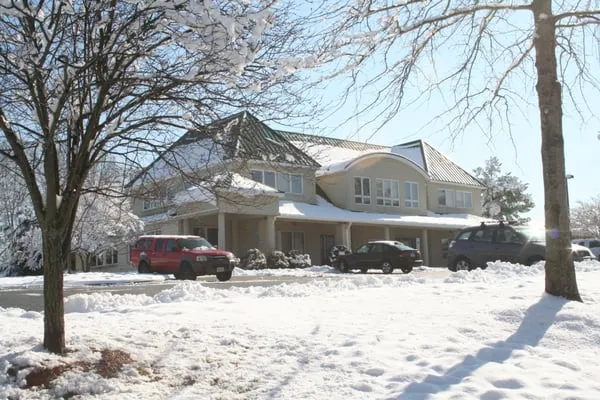
Since 1876, Watkins Nurseries has been a cornerstone of Midlothian's green spaces, rooted in Chesterfield County soil for over five generations. Originally founded as J.B. Watkins & Brother, we starte...

Black Sheep Lawn and Landscape
Black Sheep Lawn and Landscape is a full-service design and construction firm serving Moseley, VA. We specialize in transforming outdoor spaces, from comprehensive landscape design and hardscaping to ...
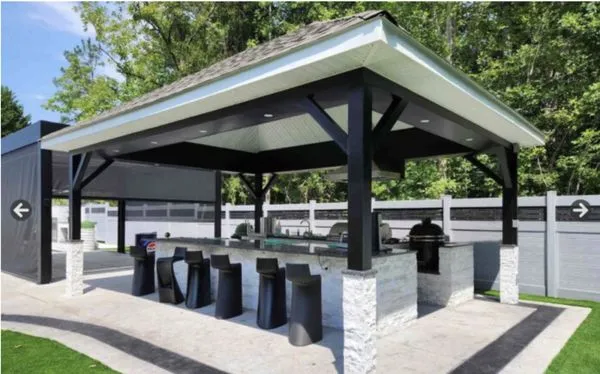
Southside Landscaping, founded in 2012 in Richmond, VA, is a premier full-service outdoor contractor specializing in landscaping and masonry. Our team, born from a shared dedication to quality and cus...

Kelly Green Landscaping is a trusted North Chesterfield, VA, landscaping and pressure washing company dedicated to enhancing local outdoor spaces. We specialize in gardening, landscape construction an...
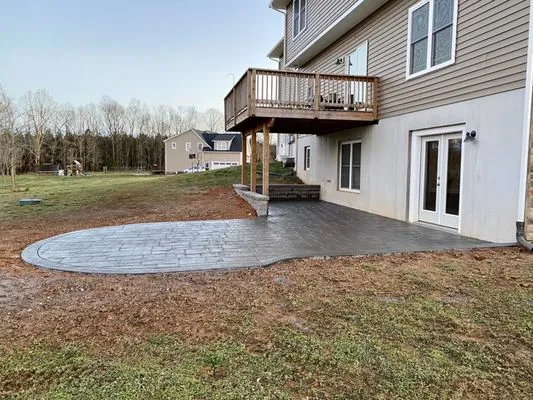
JR Anderson Concrete
For nearly three decades, JR Anderson Concrete has been a trusted, family-owned name in North Chesterfield, VA, and throughout the Richmond tri-cities area. Founded on principles of quality workmanshi...
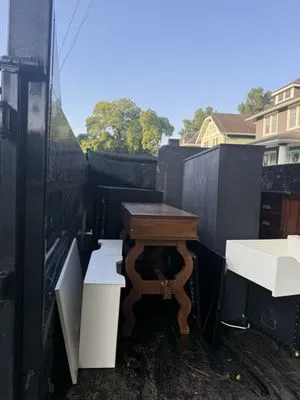
CKutting UP Lawn Care is a Richmond-based, full-service provider specializing in lawn maintenance, junk removal, and property cleanouts. We understand the common local challenges of overgrown shrubs a...

Green Jay Property Solutions is a trusted, full-service home improvement and maintenance company serving Midlothian, VA. We specialize in landscaping, painting, and handyman services, offering a compr...
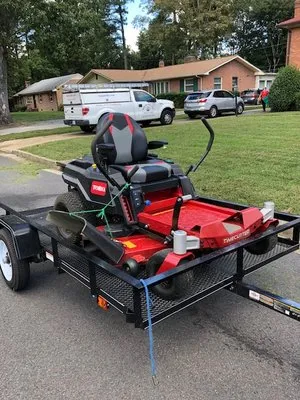
A Cut Above All Others
A Cut Above All Others is a Glen Allen-based lawn and gutter service provider dedicated to delivering reliable, high-quality work for homeowners in our community. We specialize in gutter cleaning, law...
Estimated Landscaping Service Costs in Midlothian, VA
Question Answers
What invasive species threaten Woodlake yards, and how can they be managed safely?
Japanese stiltgrass, English ivy, and Chinese privet pose significant threats in Midlothian, outcompeting natives and degrading soil health. Manual removal before seed set combined with targeted herbicide applications during active growth phases provides effective control. All treatments comply with Virginia Chesapeake Bay Watershed Nutrient Management Regulations, avoiding fertilizer applications during blackout dates and using phosphorus-free products. For persistent infestations, solarization with clear plastic during summer months heats soil to lethal temperatures for weed seeds without chemicals. Regular monitoring prevents reestablishment while protecting Swift Creek Reservoir water quality.
How can I maintain my Tall Fescue lawn during Midlothian's dry periods without violating water conservation guidelines?
Wi-Fi ET-based weather sensing irrigation systems automatically adjust watering schedules using real-time evapotranspiration data from local weather stations. This technology reduces Tall Fescue water use by 20-30% compared to traditional timers by applying water only when soil moisture deficits occur. During voluntary conservation periods, the system can be programmed to prioritize deep, infrequent watering that encourages deeper root growth. This approach maintains turf health while staying well within municipal water limits, with smart controllers providing usage reports for conservation tracking.
What permits and licenses are required for significant landscaping changes on my 0.35-acre Woodlake property?
Grading work exceeding 2,500 square feet or disturbing more than 10,000 square feet requires an erosion and sediment control plan approved by Chesterfield County Building Inspection Department. Landscape contractors must hold Virginia DPOR licensing for horticulture or landscaping services when project values exceed $1,000, ensuring proper insurance and technical competency. Retaining walls over 4 feet tall need structural engineering approval, while drainage modifications affecting property lines may require civil engineering documentation. These regulations protect against soil erosion into Swift Creek Reservoir and ensure work meets Virginia's Chesapeake Bay preservation standards for all 0.35-acre lots in the watershed.
How quickly can you respond to an emergency tree cleanup after a storm in Woodlake?
Our storm response team dispatches from the Swift Creek Reservoir area via VA-288, reaching most Woodlake addresses within 20-30 minutes during peak traffic conditions. We prioritize safety assessments of damaged trees threatening structures or power lines, followed by systematic debris removal. All equipment meets Chesterfield County's 7 AM to 9 PM noise ordinance restrictions, with electric chainsaws and chippers minimizing neighborhood disruption. This routing efficiency ensures HOA compliance deadlines are met while maintaining proper insurance documentation for property damage claims.
Are concrete pavers and natural fieldstone better than wood for patios and retaining walls in Midlothian?
Concrete pavers and natural fieldstone offer superior longevity to wood in Midlothian's humid climate, with 30+ year lifespans versus wood's 10-15 years before replacement. These materials resist moisture damage, insect infestation, and decay that plague timber structures in acidic soils. For fire-wise considerations in Low-rated suburban residential areas, non-combustible hardscapes create defensible space without contributing fuel loads during dry periods. Properly installed with adequate base preparation and drainage, these materials maintain structural integrity through freeze-thaw cycles while providing permeability that meets modern runoff management standards.
What low-maintenance alternatives to traditional lawn can reduce my yard work while supporting local ecology?
Transitioning high-maintenance turf areas to native plantings like Eastern Redbud, Flowering Dogwood, Purple Coneflower, Switchgrass, and Black-eyed Susan creates resilient landscapes requiring minimal inputs. These adapted species survive on natural rainfall once established, eliminating weekly mowing and reducing irrigation needs by 70-80%. Native plantings support pollinators and local food webs while staying ahead of potential gas-blower restrictions under noise ordinances. The layered structure provides year-round interest with seasonal blooms, seed heads for birds, and winter texture without the fuel, noise, and emissions of traditional maintenance.
Why does my Woodlake yard have such compacted, acidic soil that struggles to support healthy plants?
Woodlake properties built around 2000 have soil approximately 26 years old, which in Midlothian's Ultisols means acidic sandy loam with pH 5.5-6.2 has developed poor structure from construction compaction and leaching. This soil type naturally becomes dense with high clay content in subsurface layers, restricting root growth and water infiltration. Core aeration combined with organic amendments like composted pine bark or leaf mold is essential to improve permeability and buffer acidity. Without these interventions, turf and ornamentals will show nutrient deficiencies and drought stress even with adequate irrigation.
What solutions exist for seasonal yard flooding in Woodlake's clay-heavy soil?
Seasonal saturation in Midlothian's acidic sandy loam with high clay content requires improving soil permeability through strategic grading and subsurface drainage. Installing French drains with clean gravel and perforated pipe redirects water away from foundations, while dry creek beds using natural fieldstone provide aesthetic surface channels. Permeable concrete pavers in patios and walkways meet Chesterfield County Building Inspection Department runoff standards by allowing 80-90% of rainfall to infiltrate. These combined approaches address both surface pooling and subsurface water movement without creating downstream erosion issues.
