Top Landscaping Services in McGaheysville, VA, 22840 | Compare & Call

There are 112 landscaping companies server in Mcgaheysville VA
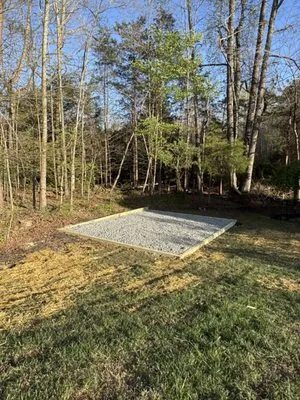
4 Seasons Landscapes is a trusted, full-service landscaping and tree care company based in Madison, Virginia. Founded over a decade ago as a dedicated lawn maintenance provider, we have grown in respo...

The Hardscape Center is a locally owned and operated hardscaping and landscaping supplier serving Richmond, VA, and the surrounding communities. We specialize in providing high-quality materials and e...
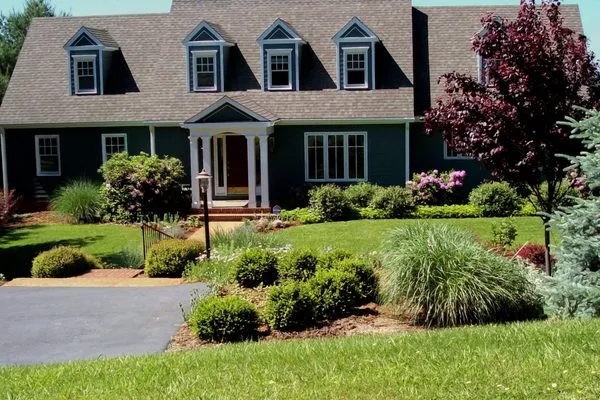
Gardenworks Landscape Services
Gardenworks Landscape Services, founded in Charlottesville in 2001 by owner and Virginia Certified Horticulturist Patrick Morrissey, brings over two decades of dedicated service to Albemarle County. P...
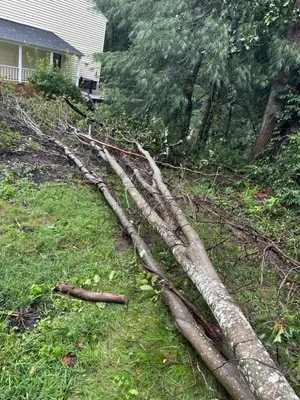
Luna Tree & Landscape Service
Luna Tree & Landscape Service is a family-owned business in Orange, VA, with over 20 years of hands-on experience in the local community. We specialize in comprehensive tree care, from planting and tr...
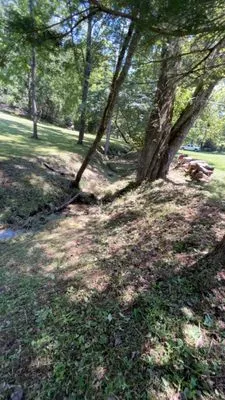
Young Man Land Service is a Rixeyville-based landscaping and tree care provider dedicated to helping local homeowners maintain and enhance their outdoor spaces. We specialize in comprehensive services...
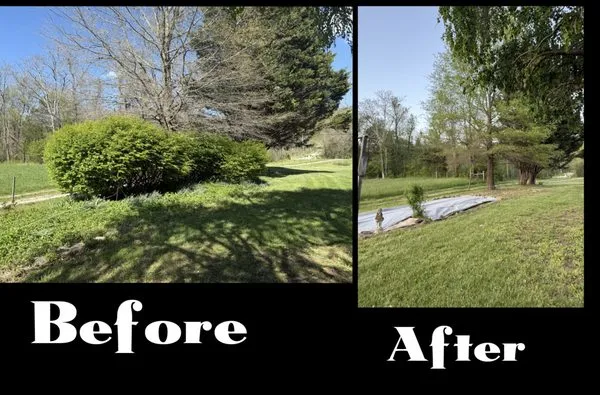
Greater Days is a Charlottesville-based landscaping company serving homeowners with comprehensive outdoor solutions. We specialize in landscape design, installation, and maintenance, along with tree s...
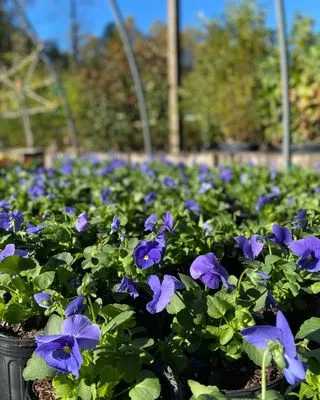
RSG Landscaping is a trusted Lynchburg landscaping company serving both residential and commercial clients throughout the region. With our headquarters in nearby Concord, VA, and a branch in Roanoke, ...

Rock Creek Innovations has been serving Rockville, VA, since 2004, providing reliable landscaping services with a focus on personal attention and professional expertise. Our team includes certified ho...
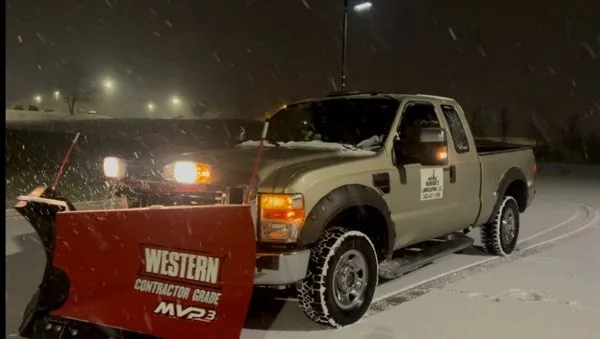
Olvera's Landscaping is a trusted, full-service landscaping company serving Waynesboro, VA, and the surrounding area. We specialize in comprehensive landscape construction, maintenance, and hardscapin...

BK&K Home and Repairs is a family-owned handyman, roofing, and landscaping business serving Stanardsville, VA. With over 20 years of experience building houses and maintaining properties, we are dedic...
Estimated Landscaping Service Costs in McGaheysville, VA
Q&A
What permits and licenses are needed for grading my half-acre McGaheysville property?
Rockingham County Department of Community Development requires erosion and sediment control plans for any grading disturbing over 2,500 square feet on 0.50-acre lots. Contractors must hold Virginia DPOR Class A or B landscaping licenses for earthmoving exceeding 50 cubic yards. These regulations ensure proper slope stabilization in clay loam soils prone to moderate runoff. Unlicensed grading risks $5,000+ fines and mandatory restoration bonds, particularly near US-33 corridors with strict sediment control enforcement.
Should I replace high-maintenance turf with native plants to reduce noise and emissions?
Transitioning to Eastern Redbud, Switchgrass, and Black-eyed Susan communities cuts maintenance frequency 70% while supporting 2026 biodiversity benchmarks. Native root systems penetrate 3-8 feet into Ultisols, eliminating weekly mowing and reducing gas-blower use ahead of tightening noise ordinances. Milkweed and Flowering Dogwood assemblages require only seasonal pruning with electric tools, creating pollinator corridors that meet Virginia's Wildland-Urban Interface Moderate firewise ratings through fuel-break design.
How do I control invasive species without violating Virginia's fertilizer regulations?
Japanese stiltgrass and mile-a-minute vine pose primary risks in McGaheysville's acidic soils. Manual removal before seed set (June-July) avoids chemical treatments during Virginia Nutrient Management blackout dates. For persistent infestations, apply organic vinegar-based herbicides in early morning low-wind conditions, avoiding runoff into seasonal seep areas. Always test soil pH after treatment—Ultisols below 5.8 may require lime amendments to restore microbial activity that suppresses reinvasion.
How quickly can you respond to an emergency tree cleanup after a storm in McGaheysville?
Emergency storm response operates on 25-40 minute dispatch from our Massanutten Resort Entrance staging area. Crews take US-33 eastbound with electric equipment pre-loaded to comply with Standard Decibel Limits (7 AM-9 PM). For HOA compliance deadlines, we prioritize routes avoiding US-33 peak congestion through real-time traffic monitoring. This ensures debris removal meets most neighborhood covenant 72-hour windows without noise ordinance violations.
Why does my McGaheysville Village lawn struggle with compaction and poor drainage despite regular care?
McGaheysville Village properties built around 1989 have 37-year-old soil profiles in USDA Zone 7a. Ultisols—acidic clay loam with pH 5.5-6.2—naturally compact over decades, reducing permeability to 0.1-0.3 inches per hour. This aging soil requires core aeration every 12-18 months and organic amendments like composted leaf mold to rebuild structure. Without intervention, root zones for Tall Fescue become oxygen-deprived, exacerbating seasonal seep issues common in this neighborhood.
Can I maintain healthy Tall Fescue under Virginia's voluntary water conservation guidelines?
Smart Wi-Fi soil-moisture sensors optimize irrigation by tracking real-time evapotranspiration rates and soil tension. These systems apply 0.75-1 inch weekly only when root zones drop below 50% field capacity, reducing water use 30-40% versus timer-based schedules. For Kentucky-31 or Turf-Type Tall Fescue in Zone 7a, this maintains 4-6 inch rooting depth while staying within municipal conservation targets. Deep, infrequent watering also encourages drought tolerance during July-August heat stress.
Are flagstone and crushed bluestone better than wood for long-lasting patios in fire-prone areas?
Flagstone and crushed bluestone provide non-combustible defensible space critical for Moderate Wildland-Urban Interface zones. Unlike wood decks requiring chemical treatments, these materials last 25+ years with minimal maintenance and resist UV degradation at 2,000-foot elevations. Their thermal mass moderates temperature swings 8-12°F compared to wood, reducing irrigation demand for adjacent plantings. For high-risk zones, maintain 5-foot mineral material perimeters around structures to meet current firewise standards.
What solutions prevent moderate runoff in my clay-heavy McGaheysville yard?
Seasonal seep in acidic clay loam requires permeability-focused design. Replace impermeable surfaces with crushed bluestone (40% void space) and flagstone set on open-graded aggregate beds. These materials achieve 5-8 inch per hour infiltration rates, meeting Rockingham County runoff standards. For severe cases, install French drains wrapped in non-woven geotextile to prevent clay particle clogging. Always grade surfaces with 2% minimum slope away from foundations to manage moderate runoff events.
