Top Landscaping Services in Marshall, VA, 20115 | Compare & Call
There are 182 landscaping companies server in Marshall VA
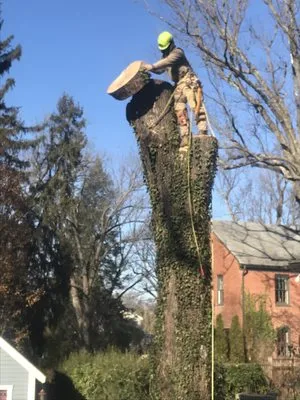
Matt's Tree Trimming Service is a family-owned and operated business in Amissville, VA, with deep roots in the community. Founded as a modest venture and grown through generations without relying on b...
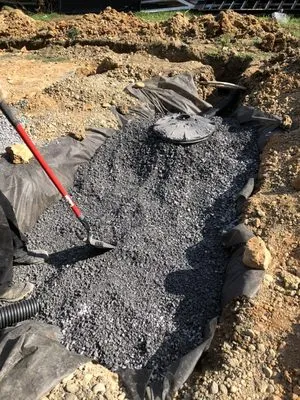
Ontrack Landscape brings a unique blend of large-scale commercial expertise and personalized residential care to Alexandria, VA. Founded by a professional with years of experience at major commercial ...
Estimated Landscaping Service Costs in Marshall, VA
Common Questions
What are lower-maintenance alternatives to my traditional lawn?
Transitioning high-input turf to a matrix of native plants like Switchgrass, Purple Coneflower, and Eastern Redbud significantly reduces water, fertilizer, and mowing demands. This xeriscape approach builds biodiversity and soil health, aligning with future-proofing for evolving noise ordinances. An established native planting requires no gas-powered leaf blowers, operating quietly through natural cycles of self-mulching.
Are bluestone patios a good choice compared to wood decks here?
Permeable bluestone pavers offer superior longevity and lower lifetime maintenance than wood in Marshall's climate. Their mineral composition is non-combustible, which directly supports creating the defensible space required for a Moderate (WUI Zone 2) Fire Wise rating. Unlike wood, bluestone does not rot, warp, or require chemical treatments, making it a permanent, percolating surface that integrates with the landscape.
My yard has persistent soggy areas. What's a long-term solution?
Seasonal saturation in Marshall's clay loam is a common drainage hazard. A graded infiltration bed filled with clean gravel, tied to a dry well or daylighted outlet, addresses the root cause. Surfacing this system with permeable bluestone pavers creates a functional patio or path that meets Fauquier County runoff standards by allowing stormwater to percolate into the subsoil rather than contributing to moderate runoff.
Why is my soil so compacted and hard to work with?
Homes built around 1976, common in Marshall Village Center, have soil with a 50-year history of settling and compaction. The native acidic clay loam naturally has low permeability, and decades of standard lawn maintenance have further degraded its structure. This legacy necessitates annual core aeration in early fall and the incorporation of 2-3 inches of composted leaf mold to rebuild organic matter and improve water infiltration for healthier root zones.
How can I keep my Tall Fescue healthy during voluntary water restrictions?
Smart Wi-Fi ET-based irrigation systems are essential in Marshall's Stage 1 conservation environment. These controllers use local weather data to apply water only when evapotranspiration rates demand it, eliminating wasteful schedules. This technology can reduce annual water use by 20-30% while maintaining turf health by delivering deep, infrequent watering that encourages drought-tolerant root growth in clay loam soils.
What permits and licenses are needed for a major backyard regrading project?
Regrading a 0.50-acre lot in Fauquier County typically requires an Erosion and Sediment Control permit from the Department of Community Development. The contractor must hold a valid Class A, B, or C license from the Virginia DPOR, which ensures they are bonded and insured for earth-moving work. This licensing is mandatory for projects that alter water flow patterns or disturb more than 2,500 square feet of land, protecting you from liability and substandard work.
How quickly can you respond for an emergency tree limb cleanup after a storm?
Our storm response protocol for Marshall targets a 20-30 minute dispatch from our depot near the Marshall Community Center. The route utilizes I-66 for rapid access, allowing crews to address immediate safety hazards like blocked driveways or damaged property lines. This efficiency is critical for HOA compliance and preventing secondary damage from fallen debris on your 0.50-acre property.
I've spotted invasive vines. How should I handle them?
Common invasive species alerts for Zone 7a include Porcelainberry and Mile-a-Minute vine. Manual removal of roots before seed set is primary. For persistent perennials, a targeted, systemic herbicide applied in late summer during the plant's translocation phase is most effective. All treatments must comply with Chesapeake Bay Watershed nutrient management regulations, avoiding application blackout dates prior to forecasted rain to prevent aquatic contamination.
