Top Landscaping Services in Marion, VA, 24354 | Compare & Call


Elite Property Care is a trusted local business in Marion, VA, offering comprehensive property maintenance solutions. We specialize in lawn care, pressure washing, junk removal, and hauling services t...
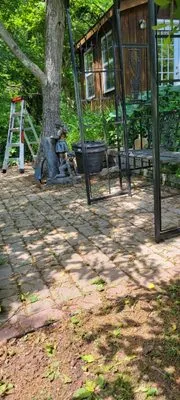
Poston's Mowing And More is a locally owned and operated business in Marion, VA, dedicated to providing honest and straightforward service. Founded on the principle of helping people without the hassl...

Green Dreams Landscaping is a trusted lawn and tree service provider serving Marion, VA, and the surrounding areas. We specialize in comprehensive lawn care and expert tree services, including tree ca...
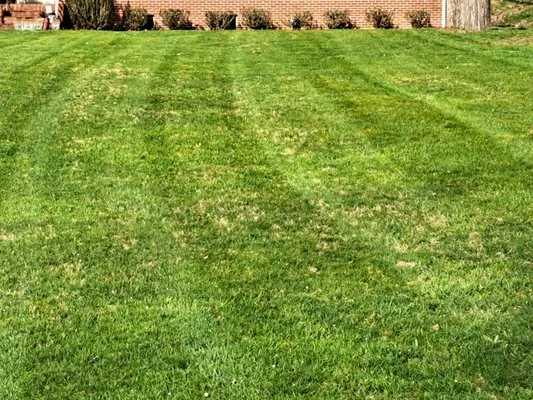
Bluegrass Lawn Care is a trusted, locally-owned landscaping business serving Marion, VA, and the surrounding communities from Atkins to Adwolfe. Founded in 2018, owner/operator brings a commitment to ...

Timberwolf Landscaping is a trusted, locally-owned landscaping company serving Marion, VA, and the surrounding areas. We specialize in diagnosing and solving common local landscaping problems, such as...
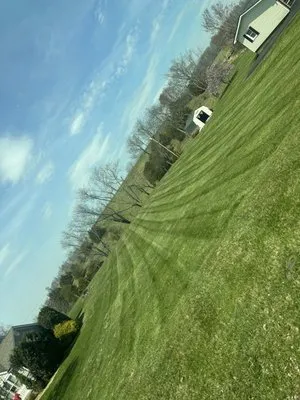
Double T Lawn Care is a trusted, locally-owned lawn service provider dedicated to keeping Marion, VA lawns healthy and vibrant. We understand the common local challenges homeowners face, such as damag...
PrimeCut in Marion, VA, is a local lawn care provider focused on practical solutions for our unique landscape. We understand that standing water and yard drainage issues are common challenges for home...

Freemans Mowing Service is a trusted, local landscaping team dedicated to enhancing and preserving the beauty of homes in Marion, VA, and the surrounding Smyth County area. We understand the common ch...
Parnell Resources is a trusted, locally-owned provider of tree services, landscaping, and snow removal in Marion, VA. We specialize in landscape maintenance, snow removal, and comprehensive tree care ...
A & A Mowing Services is a trusted lawn care provider serving Marion, VA, and the surrounding areas. We specialize in comprehensive lawn maintenance to address common local landscaping challenges, suc...
Question Answers
What permits and licenses are required for grading work on my 0.25-acre Marion property?
Grading exceeding 100 cubic yards on 0.25-acre lots requires Town of Marion Planning & Zoning Department approval for erosion control compliance. Virginia DPOR licensing mandates contractors hold at least a Class C license for earthmoving projects affecting watershed areas. Professionals must demonstrate knowledge of sediment barrier installation and stormwater management practices, particularly important in the Chesapeake Bay watershed where improper grading can trigger significant regulatory penalties under state nutrient management laws.
What invasive species should I watch for in Marion, and how do I treat them safely?
Japanese stiltgrass and tree-of-heaven pose significant threats in Marion's WUI Zone 2 areas. Manual removal before seed set in early summer prevents spread without chemicals. For established invasions, targeted glyphosate applications in fall avoid Chesapeake Bay Watershed Nutrient Management Act blackout dates (typically April-June). Always coordinate treatments with soil testing to prevent nutrient runoff into local watersheds while addressing invasive root systems completely.
How can I maintain healthy Tall Fescue turf while conserving water in Marion's unrestricted but monitored system?
Smart Wi-Fi weather-based controllers using ET (evapotranspiration) data can reduce Tall Fescue irrigation by 30-40% while maintaining turf health. These systems adjust watering based on real-time weather conditions, soil moisture sensors, and plant water requirements. Even without formal restrictions, this approach aligns with municipal water conservation goals and prevents the 1-2 inches of weekly water loss common with traditional timer-based systems in Zone 7a.
What solutions work best for moderate runoff problems in Marion's clay-heavy yards?
Clay compaction in Ultisols creates surface runoff velocities exceeding 2 feet per second during heavy rains. Permeable sandstone or concrete paver installations with 1-2 inch aggregate bases provide 80-90% infiltration rates, meeting Town of Marion Planning & Zoning Department runoff standards. French drains with clean stone backfill and dry creek beds using local materials address both functional drainage and aesthetic concerns while preventing soil erosion.
How quickly can you respond to an emergency tree cleanup after a storm in Downtown Marion?
Emergency storm response from our base near Hungry Mother State Park takes 20-30 minutes via I-81 during peak conditions. We maintain dedicated storm routing that bypasses typical downtown congestion, with crews dispatched within 15 minutes of notification. This rapid response meets most HOA compliance deadlines for debris removal following significant weather events in the Marion area.
How do local sandstone and concrete pavers compare to wood for durability and fire safety?
Local sandstone and concrete pavers offer 25-30 year lifespans versus wood's 8-12 years in Marion's freeze-thaw cycles. For WUI Zone 2 compliance, these non-combustible materials create critical defensible space when installed 5-30 feet from structures. Their thermal mass also moderates microclimate temperatures better than wood, reducing irrigation demands by 15-20% in adjacent planting beds while meeting Moderate Fire Wise rating requirements through proper spacing and maintenance.
Should I consider replacing some turf with native plants to reduce maintenance and environmental impact?
Transitioning 20-30% of turf to Purple Coneflower, Black-eyed Susan, Eastern Redbud, and Switchgrass reduces mowing frequency by 40% and eliminates gas-powered blower use during Marion's 70dB noise ordinance hours. These natives require 75% less water than Tall Fescue once established and support 3-5 times more pollinator species. This approach prepares landscapes for potential future electric-only equipment mandates while enhancing biodiversity beyond 2026 standards.
Why does my Downtown Marion yard have such dense, compacted soil that struggles to absorb water?
Marion's 1961-era homes sit on Ultisols, acidic clay loam soils that have matured for 65 years. Over decades, foot traffic and equipment weight have compressed these clay-heavy soils, reducing permeability to 0.1-0.5 inches per hour. Core aeration with 3-4 inch depth penetration and 2-3% organic matter amendments are essential to restore soil structure and improve percolation rates in these established neighborhoods.
