Top Landscaping Services in Manassas, VA, 20108 | Compare & Call
There are 199 landscaping companies server in Manassas VA
Javier Landscaping is a trusted, locally-owned landscaping company serving homeowners throughout Manassas, VA. We understand the specific challenges of our area, from the aftermath of summer storms le...
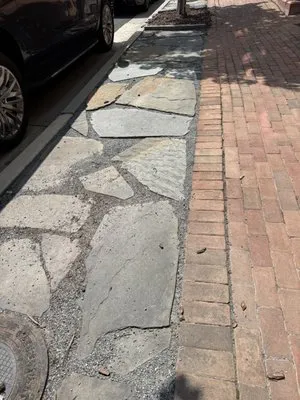
KGM Landscaping is a trusted, locally-owned landscaping company serving Manassas Park, Virginia. We specialize in diagnosing and treating the common lawn and shrub issues that plague our area, particu...
EG Landscaping and Site Work is a trusted local provider in Manassas, VA, specializing in comprehensive landscaping, snow removal, and tree services. We understand the common challenges Manassas homeo...
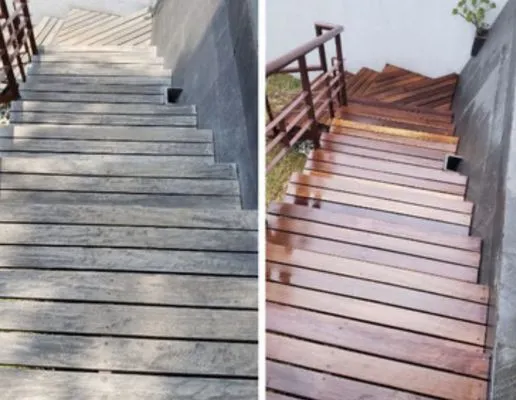
Lucy Garden Care is a family-owned and operated design-build and property maintenance contractor serving Northern Virginia, including Manassas. Founded on a passion for creating beautiful, functional ...
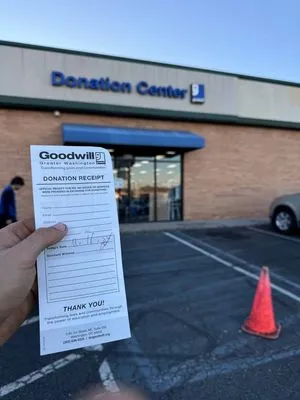
Junkscape is a Manassas-based junk removal and hauling company serving the DMV area with a mission that prioritizes people and the planet. We specialize in a donation-first approach, ensuring usable i...

For over two decades, C And L Landscaping has been a trusted provider of comprehensive outdoor services for homeowners in Manassas, VA. We believe in delivering lasting quality at prices that respect ...
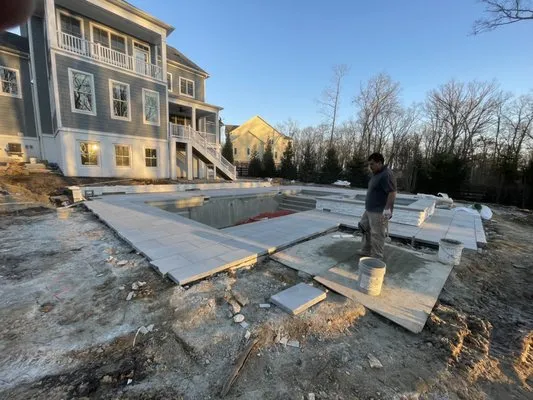
Nv Landscape and Construction is a trusted, locally-owned landscaping company serving Manassas, VA, and the surrounding communities. We specialize in creating and maintaining beautiful, healthy outdoo...
Beautiful Tina and Powerful Kongee is a Manassas-based landscaping company dedicated to solving common local yard problems. They specialize in transforming unkempt outdoor spaces by tackling issues li...
United Tree Care is a locally owned and operated tree service company serving Manassas, VA, and the broader Northern Virginia region. With over 15 years of experience, we are a licensed and insured te...
Estimated Landscaping Service Costs in Manassas, VA
Questions and Answers
How can I keep my Tall Fescue healthy during summer without violating water conservation guidelines?
Effective irrigation in Manassas requires moving beyond simple timers. Wi-Fi ET-based systems use local weather data to apply water only when evapotranspiration indicates a deficit, often reducing usage by 20-30%. This technology allows Tall Fescue to receive deep, infrequent watering that encourages drought-tolerant roots, all while operating within voluntary conservation parameters. Proper calibration ensures the system automatically skips cycles after sufficient rainfall.
What are the most aggressive weeds here, and how do I deal with them without harming the Chesapeake Bay?
Invasive species like Japanese Knotweed and Mile-a-Minute Vine are primary concerns, exploiting disturbed clay soils. Control requires a targeted, integrated approach: manual removal for small infestations and carefully timed, professional-grade herbicide applications for larger ones. All treatments must adhere to the Chesapeake Bay Watershed Regulations, which strictly limit phosphorus and mandate application blackout dates to prevent nutrient runoff into local waterways.
What permits and qualifications should I verify before hiring someone to regrade my 0.22-acre lot?
Any significant grading or land disturbance project in Manassas requires a permit from the City of Manassas Community Development Department to ensure compliance with erosion and sediment control plans. Crucially, the contractor must hold appropriate licensing through the Virginia DPOR, such as a Class A, B, or C contractor's license, which mandates insurance, financial review, and continuing education. This is legally required for projects affecting drainage patterns on lots of this size and protects you from liability and substandard work.
If a storm downs a large limb, how quickly can a crew arrive for an emergency cleanup in my neighborhood?
For emergency storm response, a crew can typically be dispatched within 20-30 minutes during peak hours from a central staging area. The primary route utilizes I-66 for access to Old Town, with crews familiar with local ingress points from landmarks like the Manassas Museum. This timeline prioritizes hazard removal for safety and HOA compliance, with full debris processing following initial site stabilization.
Are permeable concrete pavers a better choice than a traditional wood deck for a new patio?
For longevity and ecological function in our climate, permeable concrete pavers are superior. They resist rot, insect damage, and the freeze-thaw cycles of Zone 7b, offering a decades-long service life with minimal upkeep. Their permeability also mitigates runoff, a key municipal concern. While wood requires regular sealing and replacement, pavers contribute to a defensible space consistent with basic Fire Wise principles by providing a non-combustible zone near the home.
My yard floods after typical rains. What's a long-term solution that also handles the heavy clay?
Persistent pooling is a direct symptom of low permeability in our region's clay-dominant soils. A graded solution often includes installing a French drain tied to a dry well, but surface strategy is equally critical. Replacing solid concrete with permeable pavers for patios or walkways creates a compliant, infiltrative surface that meets City of Manassas stormwater standards by reducing direct runoff and recharging groundwater locally.
Why does my yard in Old Town Manassas hold water and look thin, even after years of feeding it?
Properties built around the 1985 average have 40+ years of soil development. The native acidic clay loam has become highly compacted from construction equipment and routine foot traffic, severely reducing percolation. This compaction limits root depth for turf and creates chronic pooling. Core aeration and incorporating 2-3 inches of composted organic matter are not optional enhancements; they are essential interventions to rebuild soil structure and porosity.
I'm tired of weekly mowing and gas blower noise. What's a quieter, lower-maintenance alternative to my lawn?
Transitioning high-input turf to a climate-adaptive landscape is a forward-looking strategy. A matrix of native plants like Purple Coneflower, Switchgrass, and Eastern Redbud requires no mowing, minimal watering once established, and supports local pollinators. This approach inherently complies with evolving noise ordinances by eliminating gas-powered blowers and mowers, aligning with the industry's shift toward electric maintenance fleets for quiet morning operations.
