Top Landscaping Services in Lyndhurst, VA, 22952 | Compare & Call
There are 185 landscaping companies server in Lyndhurst VA
For over 25 years, Mike Fincham Complete Tree Service has been a trusted, family-owned and operated business serving Culpeper and the central Virginia area. Our experienced, local crew is dedicated to...
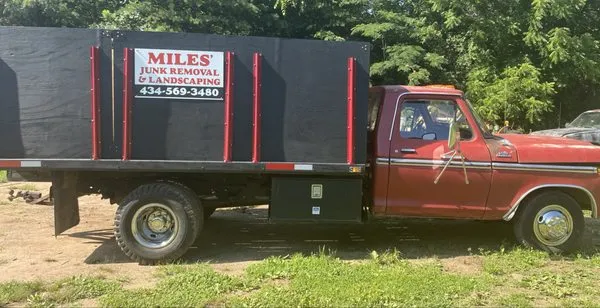
Miles Junk Removal and Landscaping
Miles Junk Removal and Landscaping is your trusted, local Columbia, VA partner for clearing out clutter and restoring your property's health. We specialize in the responsible disposal of appliances, e...

Thompson's All Season Home Services is your trusted local partner for home maintenance in Stuarts Draft, VA. As a family-owned business, we understand the unique challenges Shenandoah Valley homeowner...
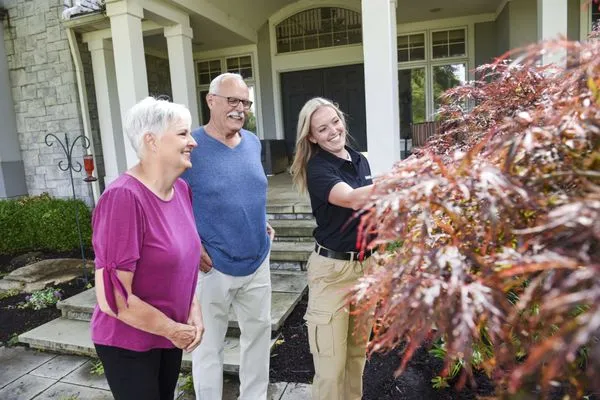
The Davey Tree Expert Company in Faber, VA, is your local partner for comprehensive tree and shrub care. As part of North America's largest residential tree care company, our Faber team brings nationa...
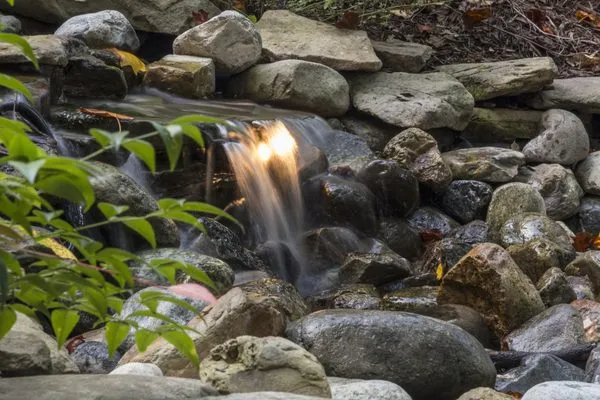
Outdoor Lifestyles Landscape
Founded in 1983 by Louisa local Bill, Outdoor Lifestyles Landscape is a family-owned design and build firm serving Virginia. With over four decades of experience, Bill combines his extensive plant and...
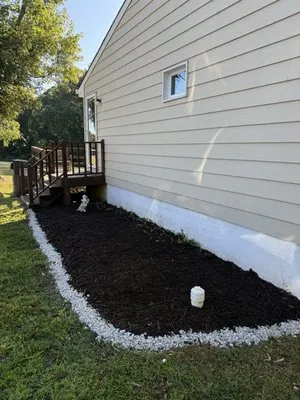
Jay's Landscaping is a locally owned and operated service in Ruckersville, founded by Jayden. We provide reliable and personalized care for your outdoor space, from comprehensive lawn care and shrub m...
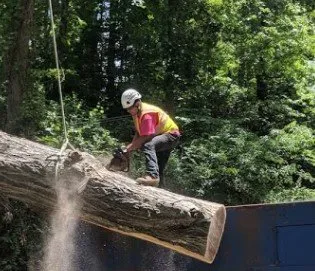
Metcalf Tree Service is a family-owned and operated tree care and landscaping company serving Troy, VA, and the broader Central Virginia area since 1982. Led by an ISA Certified Arborist, our fully in...
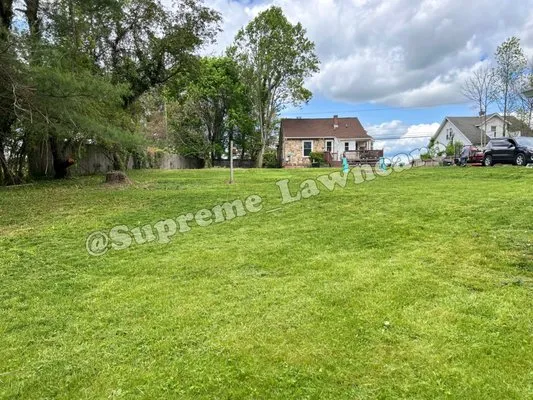
Supreme Lawncare is a father-son team that grew from a shared dream and decades of hands-on experience. After working for other landscaping companies for over ten years, the father brought his deep kn...
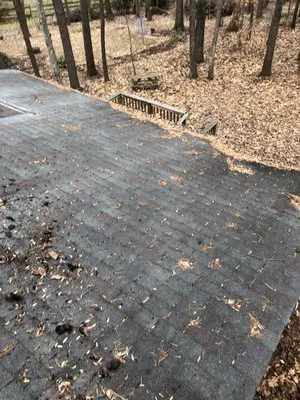
Haden Services is a Charlottesville-based company providing comprehensive landscaping, junk removal, and pressure washing solutions for residential and commercial properties. We specialize in addressi...
A2Z Lawn and Home Needs
A2Z Lawn and Home Needs is a Louisa-based contractor providing comprehensive property care services for local homeowners. Our team specializes in deck building, repair, and staining to create function...
Estimated Landscaping Service Costs in Lyndhurst, VA
Questions and Answers
How do I deal with invasive weeds without harming the bay?
For invasive species like Japanese stiltgrass or Mile-a-Minute vine, manual removal before seed set is most effective. If chemical control is necessary for persistent perennials like Japanese knotweed, select herbicides must be applied by a licensed professional during approved windows to avoid the Chesapeake Bay Watershed blackout dates. Always follow a soil test to avoid unnecessary nutrient applications that violate the local ordinance.
Is a wooden deck or a stone patio better for my hillside property?
In Lyndhurst's Moderate Fire Wise Zone 2, non-combustible materials like crushed bluestone or concrete pavers are recommended for defensible space. Compared to wood, these materials offer superior longevity against moisture and freeze-thaw cycles with minimal maintenance. Their permeability also manages the moderate runoff hazard, and their installation does not typically require the same structural engineering review as a raised wooden deck on a slope.
How quickly can you respond for an emergency storm cleanup?
For urgent HOA compliance or safety issues like downed limbs, our dispatch from the Blue Ridge Tunnel Trailhead area uses I-64 for primary access. Accounting for peak traffic conditions, we project a 45 to 60-minute arrival window. Our fleet includes electric-powered chippers and blowers that comply with Lyndhurst's noise ordinance, allowing us to initiate work immediately upon arrival during restricted hours.
Why does my soil seem so hard and compacted?
Lyndhurst Village homes, built around 1976, have 50-year-old landscapes with mature Ultisols. This acidic clay loam compacts over decades from construction grading and routine foot traffic, restricting root growth and water permeability. Annual core aeration is critical to fracture this pan, followed by top-dressing with compost to build organic matter and slowly raise the pH toward a more neutral range for most turf and ornamentals.
What permits and licenses are needed to regrade my half-acre lot?
Regrading that alters water flow or involves significant cut/fill requires an erosion and sediment control plan approved by the Augusta County Community Development office. For a 0.50-acre lot, this work must be performed by a contractor licensed by the Virginia DPOR for landscaping or excavation. This ensures compliance with state building codes and the Chesapeake Bay Watershed Regulations, protecting you from liability and fines.
Can I have a green lawn while following water conservation rules?
Yes, using Wi-Fi ET-based weather-sensing irrigation is the standard for compliance. These systems adjust watering schedules in real-time based on local evapotranspiration data, preventing overwatering during Stage 1 voluntary conservation. For Tall Fescue in Zone 7a, this means deeper, less frequent cycles that encourage drought-tolerant root growth while maintaining canopy health within municipal water budgets.
My yard stays soggy for days after a rain. What's the solution?
Seasonal saturation is common in Lyndhurst's clay loam soils due to moderate permeability. Solutions begin with regrading to direct runoff away from foundations and toward rain gardens planted with natives like Switchgrass. For new patios or walkways, specifying permeable crushed bluestone or concrete pavers increases ground infiltration, which helps projects meet Augusta County Community Development's stormwater runoff standards.
What are the long-term alternatives to constant mowing and blowing?
Transitioning perimeter zones to a layered planting of Virginia natives like Eastern Redbud, Mountain Laurel, and Butterfly Milkweed reduces maintenance inputs significantly. These deep-rooted plants stabilize soil, require no fertilizer under the Chesapeake Bay regulations, and provide superior habitat. This shift ahead of tightening noise ordinances replaces weekly mowing with seasonal pruning, leveraging the electric maintenance fleet transition.
