Top Landscaping Services in Laurel Hill, VA, 22079 | Compare & Call
There are 148 landscaping companies server in Laurel Hill VA
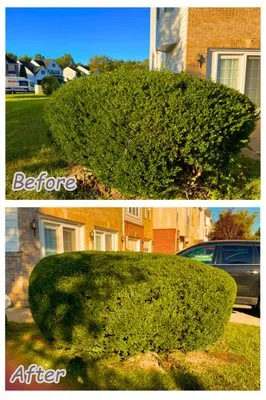
LJ's Lawn Care is a trusted, locally-owned lawn and tree service company serving Woodbridge, VA, and the surrounding area. We understand that local homeowners often face landscaping challenges like ov...

Patios and Gardens is a Lorton, VA-based landscaping company specializing in transforming outdoor spaces with durable hardscapes and functional landscape construction. We address common local issues l...
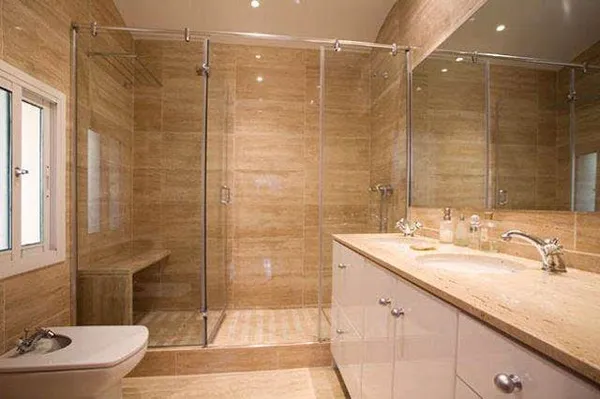
Founded by Diego and Maritza, Lion Contractor, LLC is a locally owned and operated construction company serving Stafford, Virginia, and the wider DC metropolitan area. With over a decade of experience...

Route One Lawn Care is a trusted lawn service provider in Lorton, VA, dedicated to helping homeowners maintain healthy, beautiful lawns. We specialize in comprehensive lawn care solutions that directl...

Denton's Lawn Care Services
Denton's Lawn Care Services is a family-owned and operated business proudly serving King George, Virginia. Owner Steven Denton brings over two decades of disciplined service from his career as a firef...
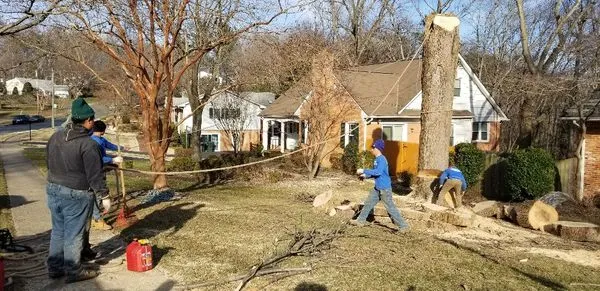
Based in Alexandria, VA, MERINO LANDSCAPING & TREE SERVICE is a trusted, full-service provider for homeowners across Northern Virginia. We specialize in comprehensive landscape maintenance and expert ...

Tactical Arborist Tree Service is a veteran-owned and operated business in Stafford, VA, founded on principles of discipline, integrity, and service. With over 14 years of experience, our team brings ...
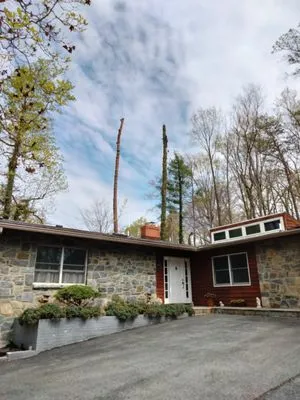
Mendez Tree Service and Landscaping is a trusted, locally-owned company serving Locust Grove, VA, and the surrounding areas. We specialize in comprehensive tree care and landscape maintenance designed...
Estimated Landscaping Service Costs in Laurel Hill, VA
Common Questions
How quickly can you respond to storm damage for HOA compliance?
Emergency cleanup crews dispatch from Laurel Hill Park with electric equipment meeting 9:00 PM to 7:00 AM noise restrictions. Routing via I-95 ensures 25-35 minute peak arrival for fallen limb removal and debris management. Our fleet carries permeable erosion control blankets to immediately address exposed soil, preventing Fairfax County runoff violations. This rapid response maintains property safety while adhering to Laurel Hill Central covenant requirements.
How can I reduce maintenance while supporting local ecology?
Replace high-maintenance turf with Eastern Redbud, Switchgrass, and Purple Coneflower communities that thrive in Zone 7b acidic soils. These natives require no gas-powered blowers, aligning with Laurel Hill's equipment muffler requirements and electric fleet transition. Butterfly Weed and Sweetbay Magnolia plantings increase pollinator habitat while reducing watering needs by 60-70%. This xeriscaping approach future-proofs landscapes against tightening noise ordinances and water restrictions.
Why does my lawn struggle despite regular care in Laurel Hill Central?
Laurel Hill Central lots average 24 years of soil development since 2002 construction, insufficient for mature soil structure. Acidic Ultisol clay loam with pH 5.8-6.2 compacts easily, reducing oxygen and water infiltration to roots. Annual core aeration with 3-4 inch depth and compost topdressing at 0.25 cubic yards per 1000 square feet improves soil tilth. These amendments address the neighborhood's characteristic poor drainage while maintaining appropriate acidity for native species.
Should I water my Tall Fescue during voluntary conservation periods?
Wi-Fi ET-based weather sensing irrigation calculates evapotranspiration rates specific to Laurel Hill's microclimate. This technology applies 0.75-1.0 inch weekly during April-October growth, matching Tall Fescue's needs while staying 20% below municipal water limits. The system automatically skips cycles during rainfall events and reduces output during drought alerts. Properly calibrated ET irrigation maintains turf health without exceeding voluntary conservation guidelines.
Are permeable pavers better than wood for patio longevity?
Permeable concrete pavers maintain 40-50 year lifespan versus wood's 15-20 years in Laurel Hill's freeze-thaw cycles. Their 80-90% permeability rate manages runoff while creating defensible space meeting Fairfax County Fire & Rescue's Moderate Fire Wise rating. Unlike wood, pavers resist moisture damage from clay soil saturation and require no chemical treatments. This material choice reduces long-term maintenance while supporting both drainage and fire safety objectives.
What permits and licenses are needed for landscape grading?
Grading on 0.35 acre Laurel Hill lots requires Fairfax County Department of Land Development Services erosion control permits for any disturbance exceeding 2500 square feet. Contractors must hold Virginia DPOR landscaping license classification for projects involving more than 10 cubic yards of earth movement. These regulations ensure proper stormwater management on properties with moderate runoff hazards. Unlicensed grading risks fines up to $5000 and mandatory restoration orders under Virginia soil conservation statutes.
What solves seasonal flooding in my clay soil yard?
Moderate runoff in Laurel Hill's clay loam requires subsurface French drains at 18-24 inch depth with clean gravel backfill. Permeable concrete pavers installed with 2-3% slope direct surface water to infiltration basins that meet Fairfax County Department of Land Development Services standards. These systems address seasonal saturation by increasing soil percolation rates from 0.5 to 2.0 inches per hour. Combined with proper grading, this approach prevents foundation damage while managing stormwater responsibly.
What invasive species threaten Laurel Hill gardens?
Japanese stiltgrass and mile-a-minute vine present primary risks in Fairfax County, outcompeting natives in acidic Ultisols. Manual removal before seed set in early summer prevents spread without chemical intervention. If treatment requires amendment, soil testing must demonstrate phosphorus deficiency per Virginia Chesapeake Bay Watershed Nutrient Management Act before application. Targeted spot treatments with EPA-approved herbicides avoid watershed contamination while preserving beneficial mycorrhizae networks.
