Top Landscaping Services in Lake Ridge, VA, 22192 | Compare & Call
There are 169 landscaping companies server in Lake Ridge VA

As the owner and manager of Erickson Landscaping, I bring over 15 years of hands-on experience serving the greater Fairfax area. We are a full-service landscaping, hardscaping, and lawn care company b...
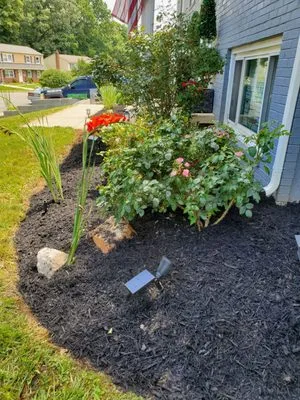
Benitez Tree & Landscaping is a trusted, locally-owned company serving Fairfax, VA, with comprehensive outdoor solutions. We specialize in landscape maintenance, snow removal, and tree care services t...
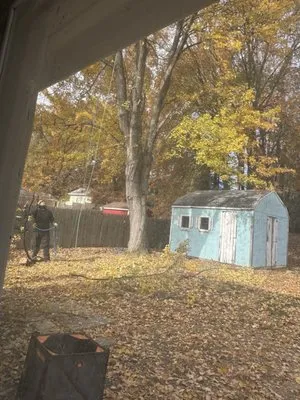
Gatling Tree Service is a family-owned and operated business that has been serving Northern Virginia for over 25 years. Based in Woodbridge, VA, we are fully licensed and insured, specializing in comp...

David Landscaping and Tree Services
Since 2000, David Landscaping and Tree Services has been a trusted name for homeowners in Springfield, VA, and across Northern Virginia. Founded by David GL, our company has built a reputation for rel...
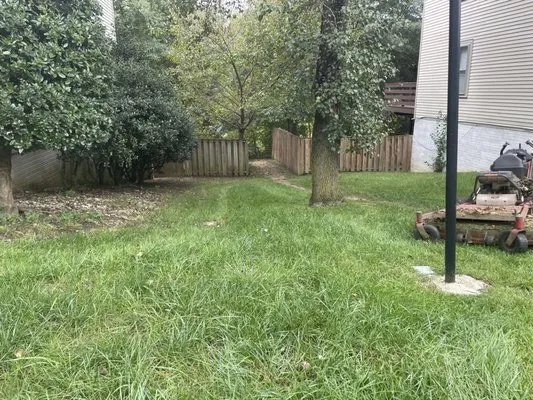
Professional Grounds, Inc. is a privately owned commercial landscape management firm serving Northern Virginia, including Lorton, since 1974. Our team is comprised of college-educated professionals an...

Denis Construction and Remodeling is a full-service, locally-owned contractor serving homeowners throughout Dumfries, VA. We specialize in transforming outdoor spaces and maintaining property integrit...
Zappe's Landscaping is a professional solo operation serving Catlett, VA, specializing in residential landscaping with a focus on reliable mowing services. As a local landscaper, I maintain a steady y...
Rivas Landscape is a trusted local landscaping company serving Woodbridge, VA, and the surrounding communities. We specialize in diagnosing and solving common local yard problems, particularly lawn fu...
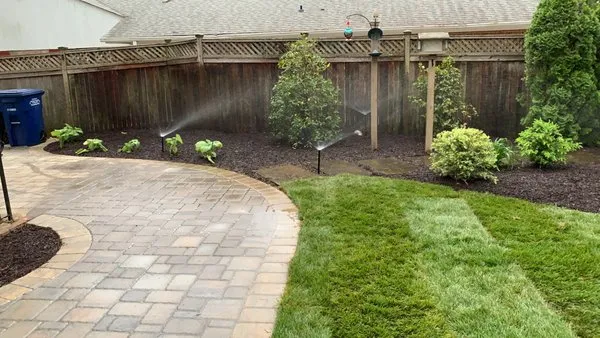
Natural Green Landscape in Alexandria, VA, is a dedicated team of local landscape professionals focused on creating and maintaining healthy, beautiful outdoor spaces. We specialize in comprehensive se...
Estimated Landscaping Service Costs in Lake Ridge, VA
Common Questions
Are permeable pavers worth the investment over wood decking?
Permeable concrete pavers offer 30+ year lifespans versus wood's 10-15 year replacement cycle in Lake Ridge's climate. Their non-combustible nature supports Moderate Wildland-Urban Interface fire ratings by creating defensible space around structures. Unlike wood that requires annual sealing, pavers maintain permeability without chemical treatments that could leach into watersheds. The initial cost premium balances against zero maintenance expenses and improved stormwater management compliance. For sloped sites, interlocking designs provide erosion control while maintaining natural drainage patterns.
Can I maintain Tall Fescue under voluntary water conservation?
Wi-Fi ET-based weather sensing irrigation systems preserve Tall Fescue while operating within Lake Ridge's voluntary conservation framework. These controllers adjust watering schedules daily based on evapotranspiration data, reducing typical water use by 20-30% compared to traditional timers. The system accounts for soil moisture retention in clay loam and skips cycles during rainfall events. Properly calibrated ET irrigation maintains turf health at 1-1.5 inches weekly while staying well below municipal water advisory thresholds.
What permits and licenses are needed for grading my 0.28-acre lot?
Grading work on Lake Ridge's 0.28-acre lots requires Prince William County Department of Development Services permits for any soil disturbance exceeding 2,500 square feet. Virginia DPOR licensing mandates that contractors performing excavation, filling, or compaction hold a Class A or B contractor license. These regulations ensure proper erosion control during construction and compliance with Chesapeake Bay Watershed protections. Unlicensed grading risks fines up to $5,000 per violation and may void property insurance during storm events. Always verify contractor credentials through DPOR's online verification system before work begins.
Why does my Lake Ridge lawn struggle despite regular care?
Lake Ridge properties average 40 years of soil development since 1986 construction, resulting in mature Ultisol clay loam with pH 5.5-6.2. This acidic clay becomes compacted over decades, reducing oxygen availability to roots and creating hydrophobic conditions during dry periods. Core aeration every 2-3 years combined with organic amendments like composted leaf mulch addresses the natural soil aging process. The neighborhood's established tree canopy further acidifies soil through leaf litter decomposition, requiring pH monitoring for optimal turf health.
What invasive species threaten Lake Ridge landscapes?
Japanese stiltgrass and mile-a-minute vine present significant invasion risks in Lake Ridge's acidic soils. These species outcompete natives by altering soil chemistry and creating monocultures. Treatment requires targeted glyphosate applications during active growth phases, carefully timed outside Chesapeake Bay Watershed blackout dates. Manual removal before seed set proves effective for small infestations without violating phosphorus-free fertilizer regulations. Regular monitoring along property edges and near Lake Ridge Park prevents establishment, as these invasives often spread from disturbed woodland edges.
How quickly can you respond to storm damage for HOA compliance?
Emergency cleanup crews dispatch from Lake Ridge Park via I-95, reaching most Lake Ridge addresses within 45-60 minutes during peak traffic conditions. This routing prioritizes arterial roads to bypass neighborhood congestion while maintaining compliance with 10 PM-7 AM quiet hours. Crews carry electric chainsaws and battery-powered blowers to address downed limbs and debris immediately. For time-sensitive HOA violations, photographic documentation begins upon arrival to establish baseline conditions before remediation.
What solutions exist for persistent runoff in my yard?
High runoff in Lake Ridge's heavy clay soils requires permeability-focused solutions. Permeable concrete pavers installed with open-graded aggregate bases achieve 80-90% infiltration rates, meeting Prince William County runoff standards. These systems work with French drains and dry creek beds to redirect water from foundations while recharging groundwater. For severe compaction issues, deep-tine aeration at 8-10 inch depths breaks up clay pans that cause surface ponding. All drainage modifications should include soil amendments to improve long-term permeability.
How can I reduce maintenance while preparing for future regulations?
Transitioning high-maintenance turf to native plantings creates ecological resilience ahead of evolving noise ordinances. Eastern Redbud, Switchgrass, and Butterfly Weed establish deep root systems that require no irrigation after establishment, eliminating gas-powered equipment needs. Virginia Sweetspire and Black-eyed Susan provide year-round visual interest while supporting local pollinators. This approach reduces mowing frequency from weekly to seasonal while creating natural sound buffers. Native landscapes also improve soil structure through mycorrhizal networks absent in traditional lawns.
