Top Landscaping Services in Hopewell, VA, 23860 | Compare & Call

There are 190 landscaping companies server in Hopewell VA
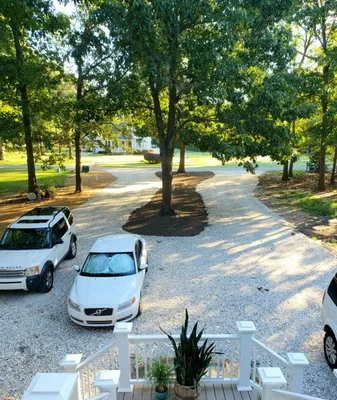
The Turf Surgeon has been a trusted provider of bulk washed crushed clam shells for landscaping and hardscaping in Chesapeake, VA since 1993. Their crushed clam shell fragments, ranging from 1/2 inch ...
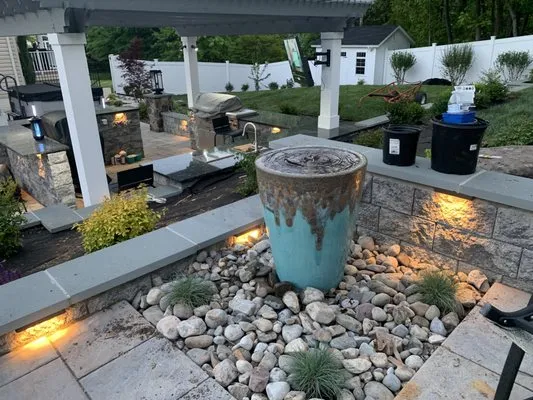
For over 12 years, Green Landscape LLC has been a trusted, full-service partner for homeowners across Alexandria, VA, turning outdoor visions into reality. We specialize in blending hardscape and soft...
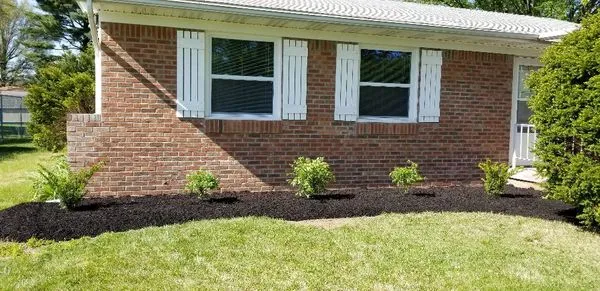
For over 20 years, Vincent Landscaping has been a trusted provider of comprehensive outdoor care for Richmond, VA homeowners. We offer a full suite of services, from essential lawn maintenance and lea...
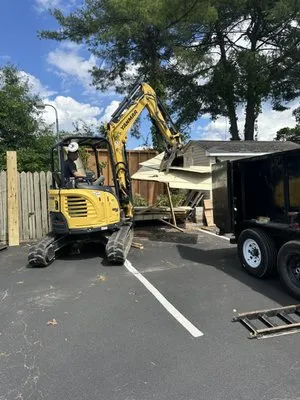
RVA Removal was founded in 2021 by Glen Allen native Kevin Vu, born from a personal mission to help neighbors reclaim their spaces. Kevin saw the stress that cluttered yards, complex demolition, and o...
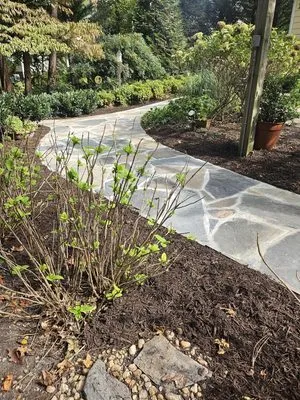
Estrada Hardscaping LLC is a family-owned and operated business in Richmond, VA, founded on Adrian's lifelong passion for creating beautiful, functional outdoor spaces. With over 15 years of hands-on ...

Robbie's Lawn & Landscape is a full-service Richmond, VA landscaping company dedicated to enhancing outdoor spaces with expert care and construction. We specialize in comprehensive solutions from land...
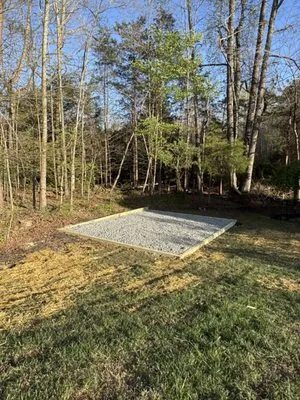
4 Seasons Landscapes is a trusted, full-service landscaping and tree care company based in Madison, Virginia. Founded over a decade ago as a dedicated lawn maintenance provider, we have grown in respo...

Since 2004, The Grounds Guys of West End has been the trusted local choice for Ashland property owners. As part of the national network founded on family values in 1987, we bring nearly two decades of...
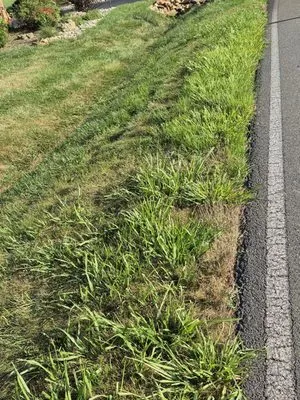
Virginia Green is the largest locally owned lawn care company in Central Virginia, founded in Richmond in 2004 by Gil Grattan. A native Virginian with over a decade of experience in the industry, Gil ...

LeBlanc Home & Garden Solutions is a family-owned Richmond business dedicated to transforming local properties through expert landscaping and construction. We specialize in a comprehensive range of se...
Estimated Landscaping Service Costs in Hopewell, VA
Q&A
What permits and licenses are needed for grading my 0.22-acre lot?
Grading exceeding 50 cubic yards requires Hopewell Department of Development approval with engineered drainage plans. Contractors must hold Virginia DPOR Class A license for projects affecting watershed boundaries, plus erosion and sediment control certification. The 0.22-acre size triggers Chesapeake Bay Preservation Act review if within 100 feet of resource protection areas. Proper licensing ensures compliance with local grading ordinances and state nutrient management regulations, avoiding fines up to $5,000 for unpermitted earth disturbance.
What solves the seasonal waterlogging in my Hopewell yard?
High clay content in Ultisols creates impermeable layers that cause spring waterlogging. Installing French drains with clean gravel and geotextile fabric at 18-inch depth redirects subsurface flow. Surface solutions include permeable concrete pavers with crushed granite joints that achieve 5-10 inches per hour infiltration rates, exceeding Hopewell Department of Development runoff standards. Grading adjustments of 2% slope away from foundations complete the system, eliminating standing water within 24 hours of heavy rainfall.
Should I replace some lawn with native plants to reduce maintenance?
Transitioning 30-50% of turf to Eastern Redbud, Switchgrass, and Butterfly Milkweed reduces mowing frequency while supporting 2026 biodiversity targets. These natives require no irrigation after establishment and provide continuous bloom from April through October. The shift aligns with evolving noise ordinances by eliminating weekly gas-powered mowing, replacing it with quarterly electric trimmer maintenance. This approach creates pollinator corridors while cutting water use by 60% and maintenance time by 70% compared to traditional turf.
Why does my Hopewell lawn struggle despite regular watering and feeding?
City Point lots built around 1971 have 55-year-old soil profiles dominated by Ultisols with sandy loam texture and pH 5.5-6.5. Decades of compaction from foot traffic and equipment have reduced permeability to 0.5 inches per hour, creating anaerobic conditions that limit root development. Core aeration every 2-3 years combined with 0.25 inches of compost topdressing rebuilds soil structure by increasing organic matter above 3%. This addresses the native acidity while improving water retention without altering pH beyond optimal turfgrass ranges.
How quickly can you respond to storm damage that violates HOA covenants?
Emergency cleanup crews dispatch from Hopewell City Hall with electric equipment to comply with 7:00 AM noise ordinances. The route follows I-295 south to City Point, maintaining 20-30 minute response times during peak conditions. Initial assessment prioritizes safety hazards like hanging limbs before addressing cosmetic violations. Documentation for HOA compliance includes timestamped photos and debris volume estimates, with most properties restored within 48 hours of dispatch.
Can I maintain Tall Fescue during Hopewell's voluntary water conservation periods?
Smart Wi-Fi ET-based controllers adjust irrigation schedules using real-time evapotranspiration data from the Virginia Climate Network. These systems reduce water use 25-40% compared to traditional timers by skipping cycles after rainfall and reducing runtime during high humidity. For Tall Fescue in USDA Zone 8a, this means 1-1.5 inches weekly applied in morning cycles to minimize evaporation. The technology maintains turf health while staying well below municipal conservation thresholds during normal restriction periods.
Are concrete pavers better than wood for Hopewell's climate and fire risk?
Concrete pavers with polymeric sand joints withstand freeze-thaw cycles in Zone 8a without heaving or decay, lasting 25+ years versus wood's 8-12 year lifespan. For Hopewell's moderate Firewise rating, pavers create defensible space when installed 5 feet from structures, compared to wood's combustible nature. Crushed granite pathways provide additional firebreaks while allowing 80% permeability for stormwater management. This combination meets both durability requirements and urban interface safety standards without annual maintenance.
How do I treat invasive species without violating fertilizer blackout dates?
Japanese stiltgrass and mile-a-minute vine require treatment before seed set in late summer, outside Virginia's Chesapeake Bay Watershed nutrient application windows. Spot applications of 2% glyphosate in August followed by pre-emergent corn gluten meal in early March prevent regrowth. For established patches, solarization with clear plastic for 6-8 weeks achieves 95% control without chemicals. All treatments include buffer zones near storm drains to comply with nutrient management act requirements while restoring native plant communities.
