Top Landscaping Services in Great Falls, VA, 20194 | Compare & Call

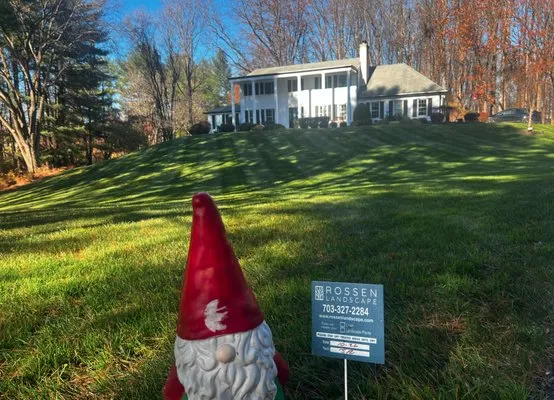
Rossen Landscape
Rossen Landscape is a comprehensive landscaping company serving Great Falls, VA, and surrounding Northern Virginia and Maryland communities since 2003. Our team of certified designers, horticulturists...

McLean Landscapes is a Great Falls, VA-based landscaping company serving residential and commercial clients throughout the area. We specialize in comprehensive landscape services, from initial design ...
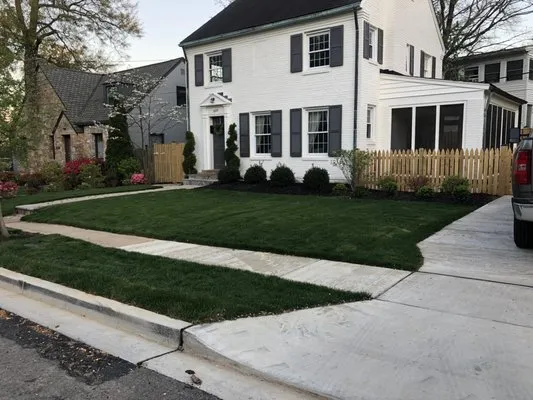
L&C Grounds Company
L&C Grounds Company is a licensed and insured landscaping and hardscaping provider serving Great Falls, VA, and surrounding Northern Virginia communities. We specialize in creating custom outdoor livi...
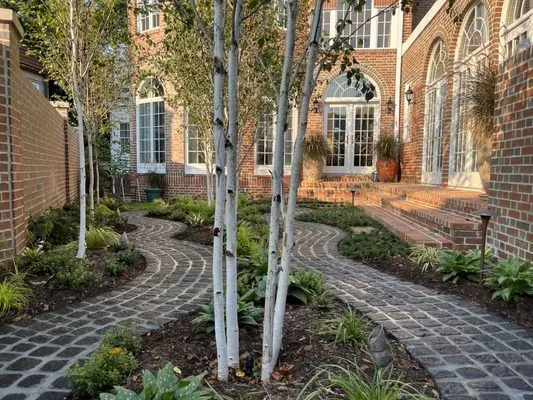
Sisson Landscapes
Founded by Great Falls native Denny Sisson, Sisson Landscapes is a family-operated, full-service design/build firm with deep roots in the community. For over 30 years, our award-winning team—comprisin...
Green Hill Landscaping is a family-owned Great Falls business dedicated to enhancing the beauty and health of your property. We offer a full range of services, from foundational landscape design and c...

Virginia Ground Works
Virginia Ground Works is a trusted, locally-owned landscaping and tree care provider serving Great Falls, VA. We specialize in helping homeowners tackle common local landscaping challenges, such as re...
L&C Grounds Company
Founded in 2017 by Great Falls native Clark Andersen, L&C Grounds Company brings a deep-rooted connection to Northern Virginia into every project. After gaining experience in the local landscaping ind...
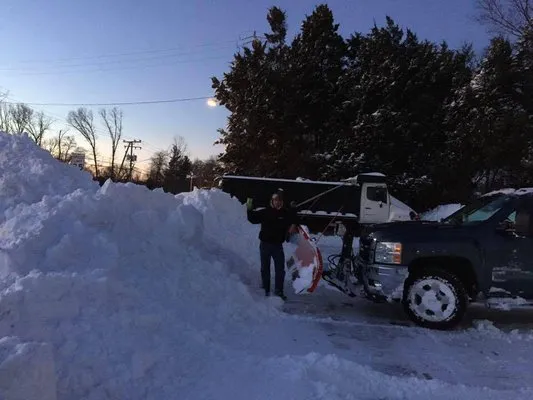
Jimmy's Landscaping is a trusted, locally-owned landscaping company serving Great Falls, VA, and the surrounding area. We specialize in comprehensive landscaping, snow removal, and gutter services to ...
CLS Lawn & Landscaping
CLS Lawn & Landscaping is a local, full-service provider in Great Falls, VA, dedicated to enhancing and maintaining the health and beauty of your property. We offer a comprehensive range of services f...
Martin Lawn & Landscape is a dedicated, locally-owned landscaping company serving the Great Falls, VA community. We specialize in addressing the specific challenges homeowners face in our area, such a...
Questions and Answers
Can I have a green lawn while following water conservation guidelines?
Yes, using Wi-Fi ET-based weather-sensing irrigation is the standard for water management. This system schedules watering based on real-time evapotranspiration data, applying moisture only when the Tall Fescue turf requires it. This method typically reduces water use by 20-30% compared to traditional timers, keeping the lawn healthy within voluntary conservation limits and avoiding the stress that triggers mandatory restrictions.
Why does my landscaper need a special license for regrading my yard?
Significant grading or earthmoving on a 1.0 to 2.0-acre lot often triggers permitting through Fairfax County Land Development Services due to stormwater and erosion control impacts. The contractor must hold appropriate licensing through the Virginia DPOR, such as a Class A or B license, which ensures they carry required insurance and understand state building codes. This protects you from liability and ensures the work meets structural and environmental standards.
How do I control invasive vines without harming my other plants?
For invasive species like English Ivy or Wintercreeper, manual removal is most effective. Apply a targeted, systemic herbicide to freshly cut stems if necessary, strictly following label instructions. Timing is critical to avoid the Chesapeake Bay Watershed's prohibited fertilizer application blackout dates, typically from November 1 to March 1. This prevents nutrient runoff and ensures any chemical treatment does not coincide with restricted periods.
What are the long-term benefits of replacing some lawn with native plants?
Transitioning high-maintenance turf to a palette of Eastern Redbud, Switchgrass, and Purple Coneflower reduces water, fertilizer, and weekly mowing demands. This shift builds climate-adaptive xeriscaping that supports local biodiversity. It also future-proofs your property against evolving regulations, such as potential restrictions on gasoline-powered blowers and mowers referenced in local noise ordinances, by creating a landscape that requires less intensive mechanical care.
Is bluestone or composite wood better for a new patio?
Permeable bluestone pavers offer superior longevity and lower lifecycle maintenance than wood or composite materials in our climate. Bluestone is non-combustible, which contributes directly to your property's Moderate Fire Wise rating (WUI Zone 2) by maintaining defensible space. Its natural permeability also manages onsite rainfall, reducing runoff volume and heat island effect compared to synthetic alternatives.
How quickly can a crew respond for an emergency tree cleanup after a storm?
For an emergency cleanup or urgent HOA compliance issue, dispatch from our staging near Great Falls Park allows a route via VA-193 (Georgetown Pike) directly into Great Falls Estates. During peak conditions, this travel time is 45-60 minutes. We maintain electric-powered equipment to comply with local noise ordinances, enabling work within restricted hours if necessary to secure a property.
My yard floods after heavy rain. What's a lasting solution?
High runoff is common on properties with heavy clay compaction. The primary solution is improving soil infiltration through aeration and amending with compost. For hardscape areas, replacing impervious surfaces with permeable bluestone pavers creates a managed infiltration system. This approach often meets Fairfax County Land Development Services standards for stormwater runoff by reducing peak flow and filtering pollutants through the sub-base.
Why does my soil feel so dense and compacted compared to newer neighborhoods?
Most homes in Great Falls Estates were built around 1984, giving the landscape a 42-year soil maturity timeline. On acidic clay loam, this duration has allowed for repeated compaction from maintenance equipment, reducing pore space and permeability. The lack of consistent organic amendment over decades has depleted the soil biome. Core aeration and incorporating composted organic matter are essential to rebuild soil structure and support healthy root systems.
