Top Landscaping Services in George Mason, VA, 22030 | Compare & Call
There are 161 landscaping companies server in George Mason VA
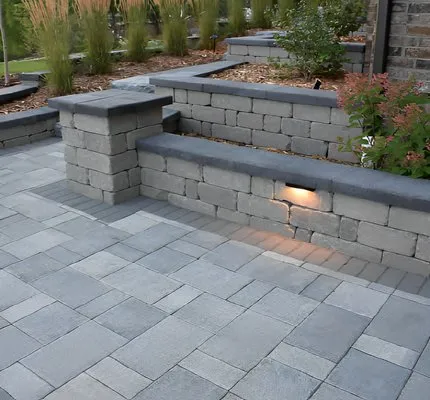
Liggio Landscape Solutions, along with our subsidiary Liggio Landscape Architect Services, brings over 150 years of combined expertise to Northern Virginia. As a premier provider in Manassas and the s...
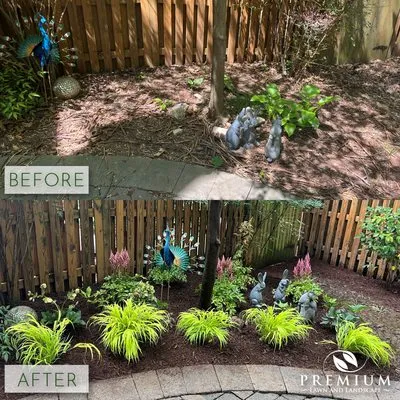
Premium Lawn and Landscape
Founded by Mark in 1995, Premium Lawn and Landscape began with a clear mission: to meet the Northern Virginia region's need for a high-quality, full-service landscape management company focused on cus...
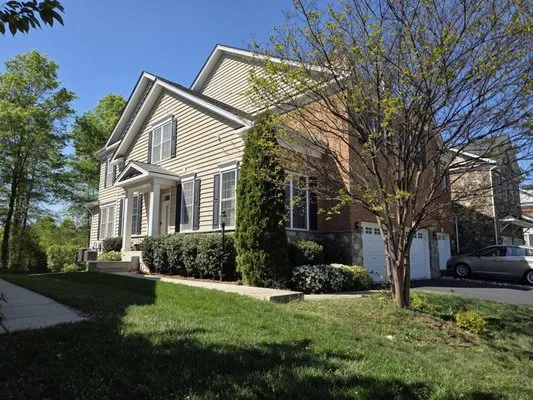
Amperdutch brings a thoughtful approach to landscaping, fencing, and outdoor care in Winchester, VA. Founded on the principle of making a positive difference, we combine years of professional experien...
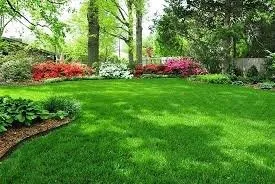
Asencio Landscaping is a trusted, full-service landscaping company serving homeowners in Manassas, VA. We specialize in transforming and maintaining outdoor spaces with expert care for lawns, gardens,...

Service Tree Care is a licensed, family-owned tree service and landscaping company serving Bristow, VA, and Northern Virginia since 2000. Founded by Wilber Turcios in 2010, the company is built on a m...
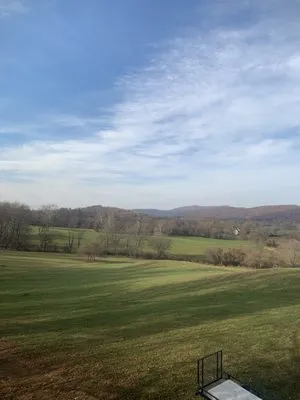
My connection to trees runs deep. Born and raised in Rotorua, New Zealand—a country with over 574 native species—I grew up in a culture that respects the land. That upbringing, combined with 40 years ...
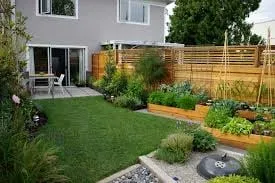
Patch O' Grass is a trusted landscaping and gardening service based in Bristow, VA, specializing in comprehensive shrub care and landscape maintenance. We understand that many local homeowners face ch...
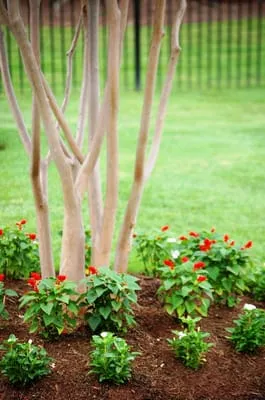
Pleasant Valley Landscapes began in Aldie, VA, with its owner managing operations from his basement while in college. This foundational focus on local, hands-on service has grown into a full-service l...
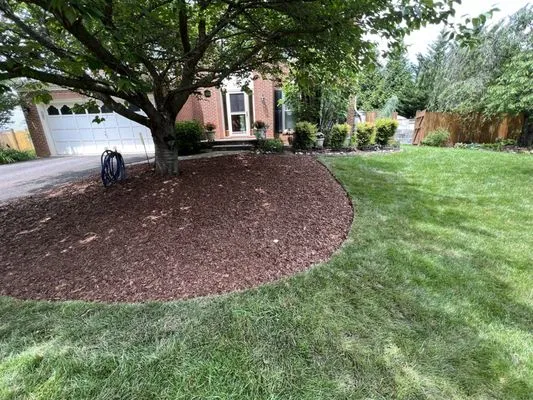
Benitez Landscape & Design is a Leesburg-based outdoor contractor with deep roots in the community. Founded in 2008 by owner Saul, who brings over 30 years of industry experience, the company speciali...
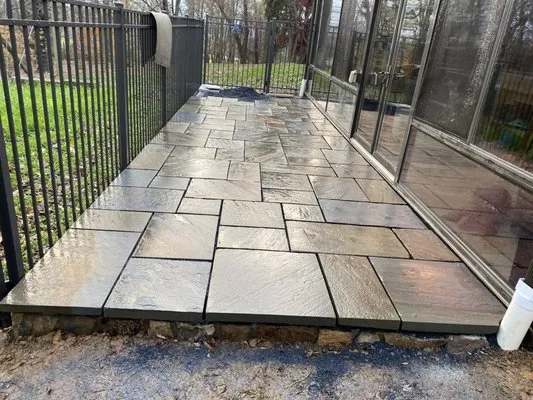
Greenstone Landscaping brings over 30 years of hands-on expertise to every project in Lovettsville and the surrounding area. We are your local partner for comprehensive outdoor transformations, specia...
Estimated Landscaping Service Costs in George Mason, VA
Question Answers
We want to regrade a portion of our 0.25-acre yard. What permits and contractor credentials are required?
Regrading that alters water flow or involves significant cut/fill typically requires an Erosion and Sediment Control permit from Fairfax County Land Development Services. For a lot of this size, the work must be performed by a contractor licensed by the Virginia DPOR in the appropriate class, such as Building or Environmental. This ensures they are bonded, insured, and knowledgeable about state and county codes regarding stormwater management and property line impacts.
Our lawn seems thin and struggles in summer, and we've been here since the 80s. Is the soil just worn out?
Homes built around 1982 in the Fairfax Campus Core area established lawns on native Ultisol clay loam. After 44 years of typical maintenance, the soil profile is likely severely compacted, with low organic matter and poor microbial life. This compaction restricts root growth and water infiltration, leading to the thin turf you observe. A core aeration program, followed by top-dressing with compost, is essential to rebuild soil structure and porosity for long-term health.
Our yard pools water after every rain. What's the most effective fix for our heavy clay soil?
Surface runoff and pooling are direct results of the low permeability in compacted Ultisol clay. The most effective long-term solution integrates subsurface drainage like French drains with surface hardening using permeable concrete pavers. These pavers allow water to infiltrate directly into a prepared gravel base, meeting Fairfax County runoff management standards. This combination bypasses the impermeable clay layer, redirecting water away from foundations and eliminating standing water.
We see invasive vines and weeds taking over a garden bed. How do we remove them without harming our soil or breaking local rules?
Common invasive alerts for this area include English Ivy, Japanese Honeysuckle, and Garlic Mustard. Safe removal prioritizes mechanical methods like hand-pulling or cutting, followed by smothering with cardboard and mulch. For persistent perennials, a targeted, systemic herbicide applied directly to the foliage in fall is most effective. This precise approach prevents soil contamination and complies with the Chesapeake Bay Regulations, which prohibit phosphorus and regulate nitrogen application timing.
How can we keep a Tall Fescue lawn green during a dry summer without wasting water or violating restrictions?
Wi-Fi ET-based weather-sensing irrigation is the precise solution for Zone 7b. This technology automatically adjusts watering schedules in real-time based on local evapotranspiration data, rainfall, and soil moisture. It applies water only when and where Tall Fescue needs it, often reducing usage by 20-40% compared to traditional timers. This meets voluntary conservation goals while maintaining turf health, as the system deep-waters to encourage drought-resistant roots.
A storm brought down a large limb. How quickly can a crew respond for an emergency cleanup to avoid HOA violations?
For an emergency HOA compliance cleanup, a dispatched crew can typically be on-site within 20-30 minutes during peak hours. Our routing from the George Mason University Center for the Arts uses VA-123 to access I-495, providing direct access to the Fairfax Campus Core. This allows for rapid debris assessment, safe removal, and site restoration to meet community standards before a notice is issued.
Is a paver patio or a wood deck better for longevity and safety in our neighborhood?
Permeable concrete pavers offer superior longevity and lower lifecycle maintenance compared to wood, which requires regular sealing and is susceptible to rot. For fire safety, pavers provide a non-combustible, defensible space material that aligns with Fairfax County's Moderate Fire Wise rating guidelines. A properly installed paver patio with a polymeric sand joint system will remain stable and attractive for decades without the weathering, splintering, or structural concerns of wood.
We want to reduce mowing, blowing, and watering. What are the best native plants for a low-input garden here?
Transitioning to a native plant community is a strategic move toward 2026 sustainability standards. For this area, a layered planting of Eastern Redbud, Mountain Laurel, Switchgrass, Purple Coneflower, and Black-eyed Susan creates a resilient, biodiverse landscape. Once established, this planting requires no irrigation, minimal fertilization, and drastically reduced maintenance—eliminating weekly mowing and the frequent use of gas-powered blowers subject to evolving noise ordinances.
