Top Landscaping Services in Gainesville, VA, 20136 | Compare & Call

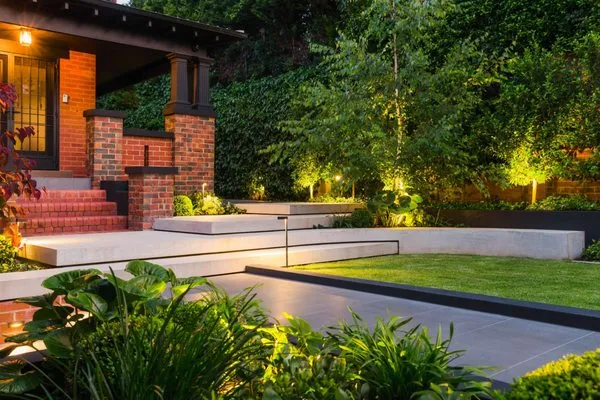
Nova Landscaping is a trusted, locally-owned landscaping company serving Gainesville, Virginia, and the surrounding communities. With over 20 years of hands-on experience, we specialize in creating an...
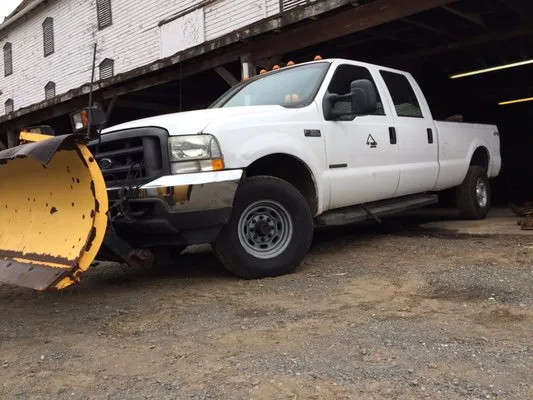
Alex Lawn Care & Landscaping is a full-service Gainesville, VA, company dedicated to transforming and maintaining your outdoor space. We specialize in resolving common local issues like dying shrubs a...
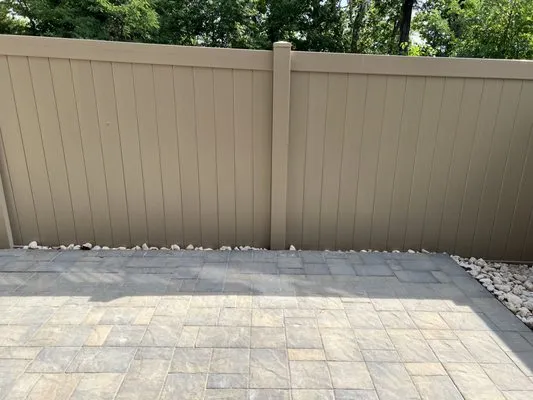
Craigie's Landscape Solutions is a veteran-owned and operated landscaping business serving Gainesville, VA, and the wider Northern Virginia area. Founded in 2019, we bring a disciplined, detail-orient...
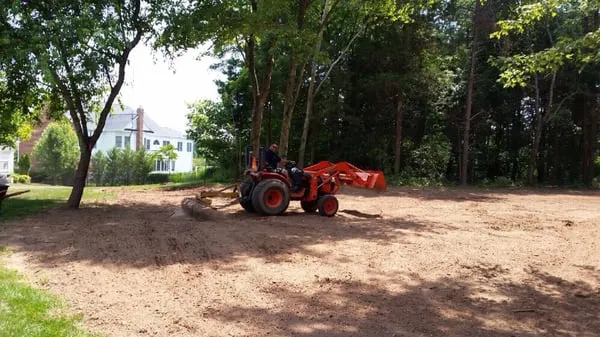
Supreme Landscapes
Supreme Landscapes is a Gainesville-based landscaping company with deep roots in the community, operating since 1999. For over 20 years, they have focused on building strong relationships and deliveri...
D H Custom Scapes
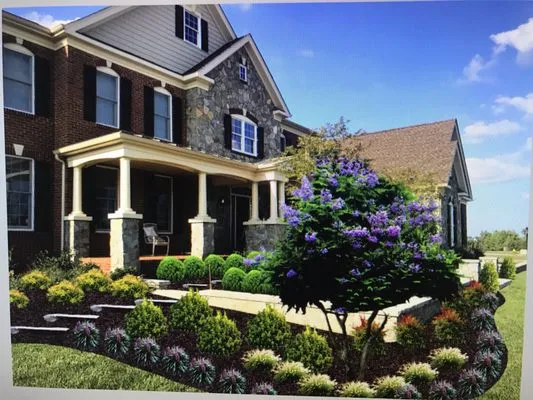
D H Custom Scapes is a Gainesville-based landscaping and construction company dedicated to enhancing the beauty and function of local properties. Serving homeowners throughout the community, they spec...

Sophia Landscaping and Tree Services is a trusted, local Gainesville company specializing in comprehensive landscape maintenance and expert tree care. We understand the common challenges faced by home...
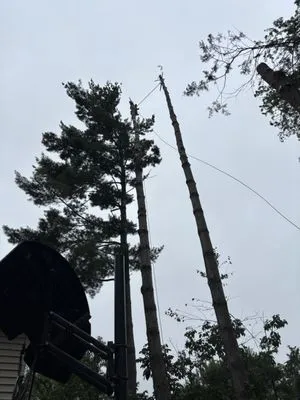
Piedmont Landscaping Services is a trusted, locally-owned provider serving Gainesville, VA, and the surrounding communities. We specialize in comprehensive landscaping, professional tree care, and hig...
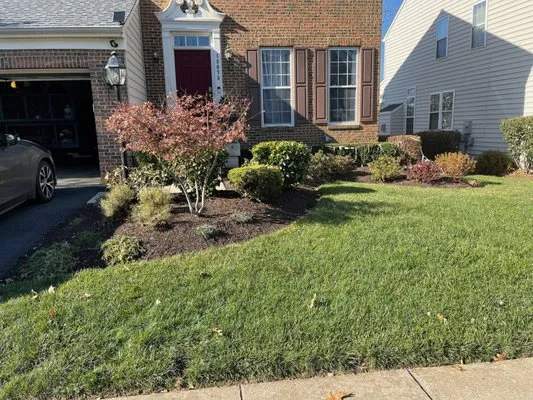
Miguel Ascencio Landscaping is a dedicated local landscaping service in Gainesville, VA, focused on solving common residential yard problems. Many area homes deal with issues like damaged landscape ed...

Medina Services is your trusted Gainesville, VA partner for transforming and protecting your property. We specialize in general contracting, landscaping, and painting services designed to tackle the c...

Maringo Landscaping is a licensed and insured provider of comprehensive lawn and tree care for Gainesville and the surrounding Northern Virginia communities. We focus on solving common local yard chal...
Question Answers
I'm tired of weekly mowing and gas equipment noise. What's a quieter, lower-maintenance alternative?
Transitioning high-input turf to a climate-adaptive landscape is the solution. Replacing mowed areas with a matrix of native plants like Switchgrass, Purple Coneflower, and Butterfly Weed drastically reduces maintenance. This established planting requires no mowing, minimal watering, and supports local pollinators. It also future-proofs your property against evolving noise ordinances targeting gas-powered blowers and mowers, shifting maintenance to quiet, electric hand tools for seasonal cutbacks.
I see a fast-spreading vine taking over my shrubs. How do I stop it without harming my other plants?
This is likely an invasive species like English Ivy or Wintercreeper. Manual removal is the first defense, ensuring all root fragments are extracted. For persistent regrowth, a targeted, systemic herbicide applied in late fall when natives are dormant can be effective. Crucially, any treatment must comply with the Chesapeake Bay Watershed Regulations, which prohibit phosphorus-containing fertilizers and have specific blackout dates for nutrient application, requiring careful product selection and timing.
We want a new patio. Are permeable clay pavers worth the extra cost compared to wood or concrete?
Permeable clay pavers offer superior longevity and ecological function for Gainesville's climate. Unlike wood, they won't rot or require chemical treatments, and they mitigate the drainage hazard of compacted clay by allowing infiltration. Compared to solid concrete, they reduce heat island effect and manage runoff. In this Low-Moderate Fire Wise zone, they also provide a stable, non-combustible material for defensible space immediately around the home, adding a layer of resilience.
A storm knocked down a large limb. How quickly can a crew arrive for an emergency cleanup to meet HOA rules?
For an emergency debris clearance to maintain safety and HOA compliance, our standard storm response from our dispatch near Gainesville Middle School is 20-30 minutes during peak hours. The route via I-66 to Heathcote Commons is direct, and crews coordinate with county forestry for proper disposal. We prioritize securing the site and documenting conditions for insurance, with full cleanup following the local noise ordinance schedule.
My lawn has never been as healthy as my neighbor's, and we have the same builder. What's wrong with my soil?
Homes in Heathcote Commons, built around 2006, sit on about 20 years of soil maturation. Original construction compacted the underlying acidic clay loam, severely limiting root penetration and water percolation. Your lawn likely suffers from this inherited compaction and low organic matter, not a lack of fertilizer. A core aeration and amendment with composted leaf mulch is the foundational correction, improving soil structure before any other inputs are considered.
My yard turns into a soggy mess every spring. What's a long-term fix that won't look ugly?
Seasonal saturation is typical for Gainesville's clay loam soils. The long-term fix addresses permeability. Replacing impervious surfaces with permeable clay pavers for patios or walkways allows stormwater to infiltrate on-site, meeting Prince William County runoff standards. For turf areas, installing a French drain system tied to a dry well or rain garden channels water away from foundations while adding ecological function, moving water through the soil profile instead of pooling on the surface.
Our contractor says we need a permit to regrade our backyard. Is that true for a quarter-acre lot?
Yes, significant regrading on a 0.25-acre lot in Prince William County typically requires a permit from the Department of Development Services. Regulations govern earth disturbance to prevent erosion and protect downstream Chesapeake Bay waters. Furthermore, any company performing this work must hold specific licensing through the Virginia DPOR. Hiring a licensed contractor ensures the work meets county sediment and erosion control standards and provides you with legal recourse, protecting your property's value and compliance.
Is it wasteful to run my sprinklers during a voluntary water conservation period?
Voluntary conservation in Gainesville is an opportunity to optimize, not eliminate, irrigation. Smart Wi-Fi ET-based controllers are essential; they adjust runtimes daily based on evapotranspiration data and local weather, preventing overwatering. For Tall Fescue, this means deep, infrequent watering in the early morning to encourage drought-tolerant roots. This technology often reduces total water use while maintaining turf health, aligning perfectly with conservation goals.
